Rewilding Camps

Participation through restoration, outdoor living, and immersion in rewilding landscapes

Rewilding Camps

Participation through restoration, outdoor living, and immersion in rewilding landscapes

Background and project outline

Across northern Sweden, there are few opportunities for people to participate meaningfully in ecological restoration and develop deeper relationships with the landscapes around them. While interest in nature and rewilding is growing, participation is often limited to observation, short-term volunteering, or recreational experiences disconnected from the long-term work of landscape recovery.

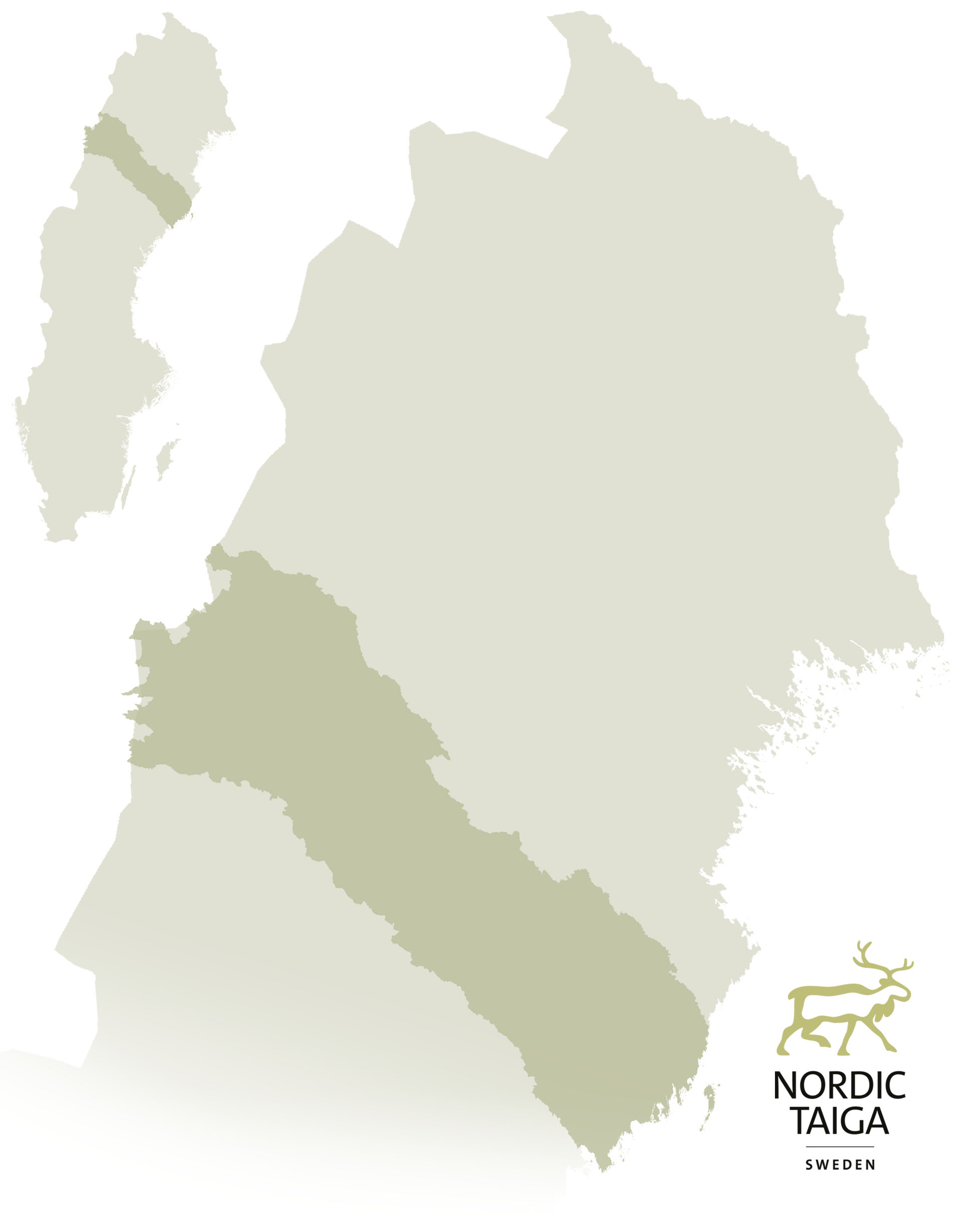
To explore new pathways into participation, Rewilding Sweden has developed a series of ‘Rewilding Camps’ and expeditions based around our focus areas of the Rödån and Hjuksån river systems in Västerbotten. The initiative combines hands-on restoration work with outdoor living, wilderness travel, and place-based learning to explore how ecological recovery and human relationships with nature can strengthen one another over time.

The initiative is being developed together with researchers, guides, and local partners, including collaboration with the Swedish Centre for Nature Interpretation (SCNI) and the Ecological Pilgrimage project. Alongside supporting real restoration needs in rivers and surrounding landscapes, the camps also serve as a space to develop and test methods for long-term participation, stewardship, and local engagement in rewilding.

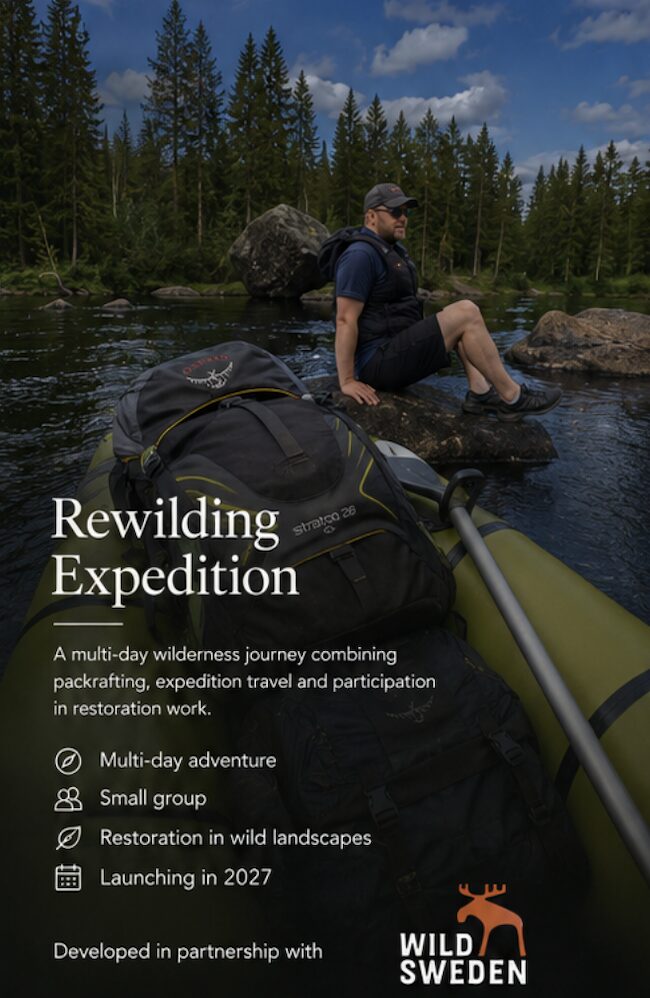
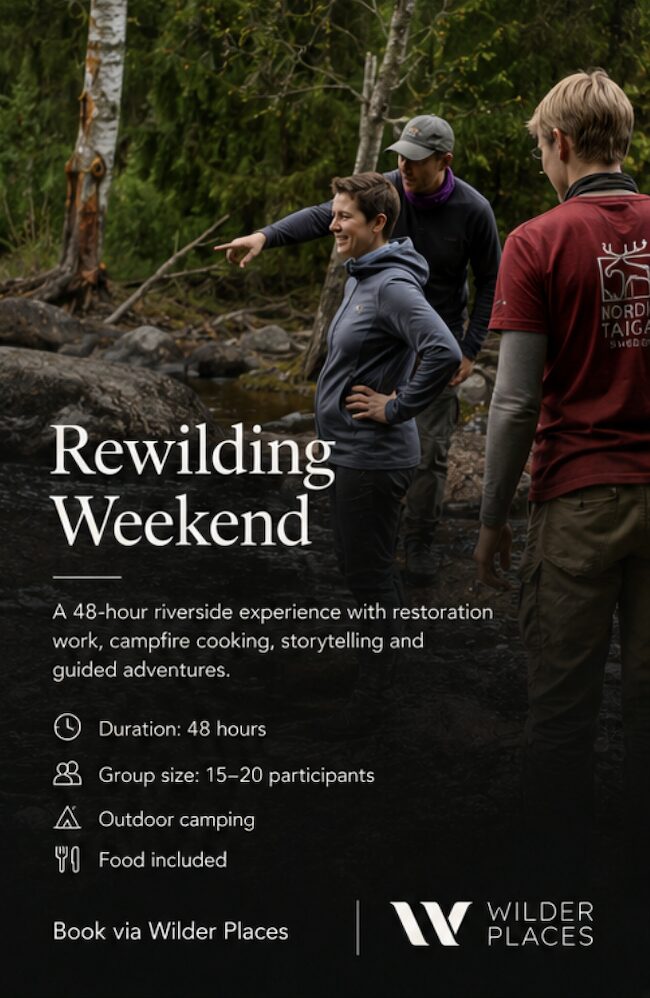
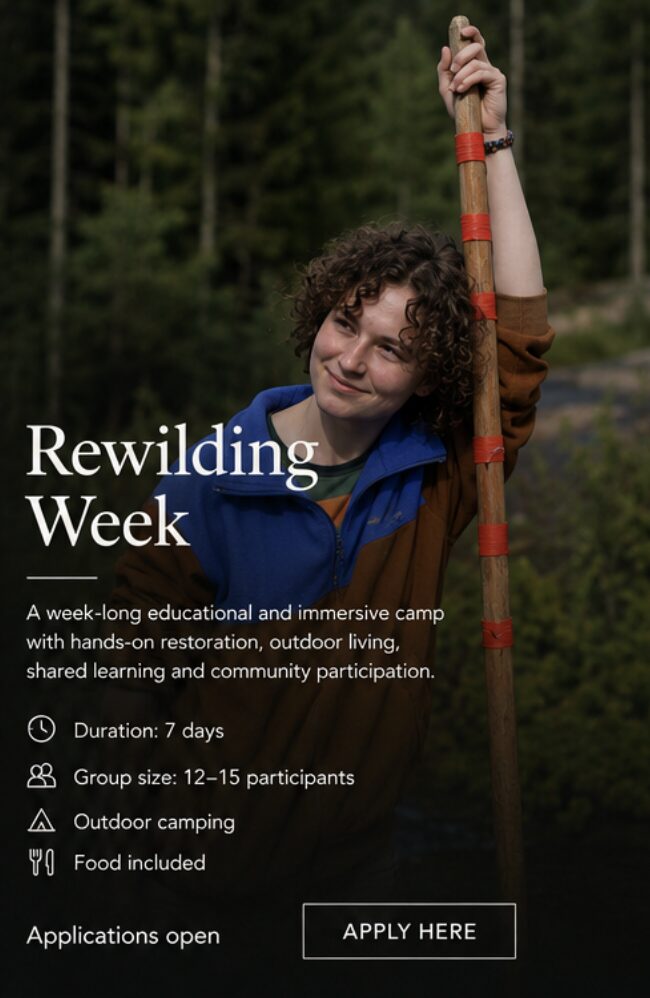
Some experiences are longer educational camps centred around shared learning, practical participation, and deeper engagement with landscape and restoration work, while others explore regenerative tourism models through smaller expedition-style experiences and guided wilderness adventures connected to local economies.

Together, the camps form part of Rewilding Sweden’s wider Nature for People work and the Närmare Naturen Rödån (NNR) initiative — a long-term collaboration between local communities in Rödåbygden, research partners, guides, and Rewilding Sweden to co-develop and test new models for connecting ecological restoration, participation, and nature access within living river catchments. The ambition is to develop approaches that can strengthen both landscapes and communities locally, while also creating methods that can be adapted across other catchments in Sweden and the wider Rewilding Europe network.

Funding: Enetjärn Nature Foundation, Biodiversa+
Collaboaring Organisations: SLU’s Swedish Centre for Nature Interpretation, Umeå University, Hello Nature, WildSweden
Rewilding Camps Thinking

The Challenge

While interest in nature and rewilding is growing, there are still few established models for how people can participate meaningfully in long-term landscape recovery. Many restoration projects remain technically and institutionally separated from everyday public life, while nature experiences often become short-term or consumable moments disconnected from ongoing stewardship and local ecological work

At the same time, rural landscapes face the challenge of creating forms of participation that can strengthen both ecological recovery and local social and economic resilience.

Rewilding Camps was created to explore whether restoration work, outdoor immersion, local knowledge, and participation can be brought together into practical models that create longer-term value for both landscapes and communities.

The Solution

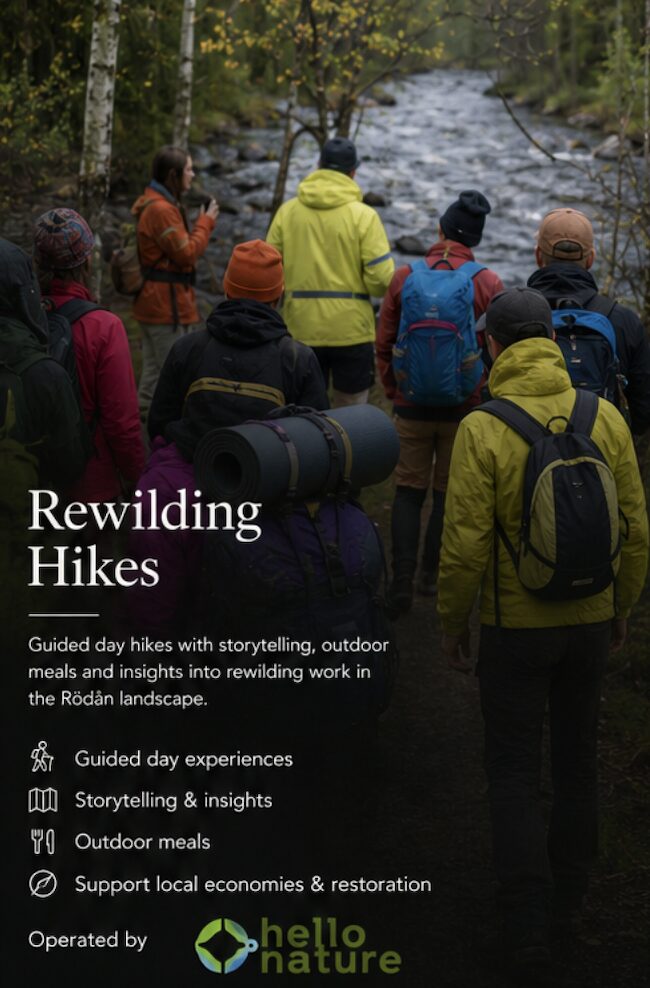
Rewilding Camps functions as a practical testing ground for new forms of participation in rewilding. Through camps, expeditions, hikes, and immersive outdoor experiences, the initiative explores how ecological restoration, nature immersion, and local engagement can reinforce one another over time.

The initiative combines real restoration work with simple outdoor living, wilderness travel, shared learning, and place-based experiences. Activities are closely connected to ongoing restoration needs within the Rödån landscape, particularly around rivers, wetlands, and surrounding ecosystems.

Rather than operating as standalone events, the different camp formats are designed as connected participation pathways within a wider long-term model. Some focus on education and deeper immersion, while others explore accessible public participation, guide development, or commercially viable expedition models linked to local economies.

Concepts are tested directly within a living landscape, with the long-term ambition of developing methods that can be organised locally and adapted to other catchments over time.

How the initiative works

Landscape restoration

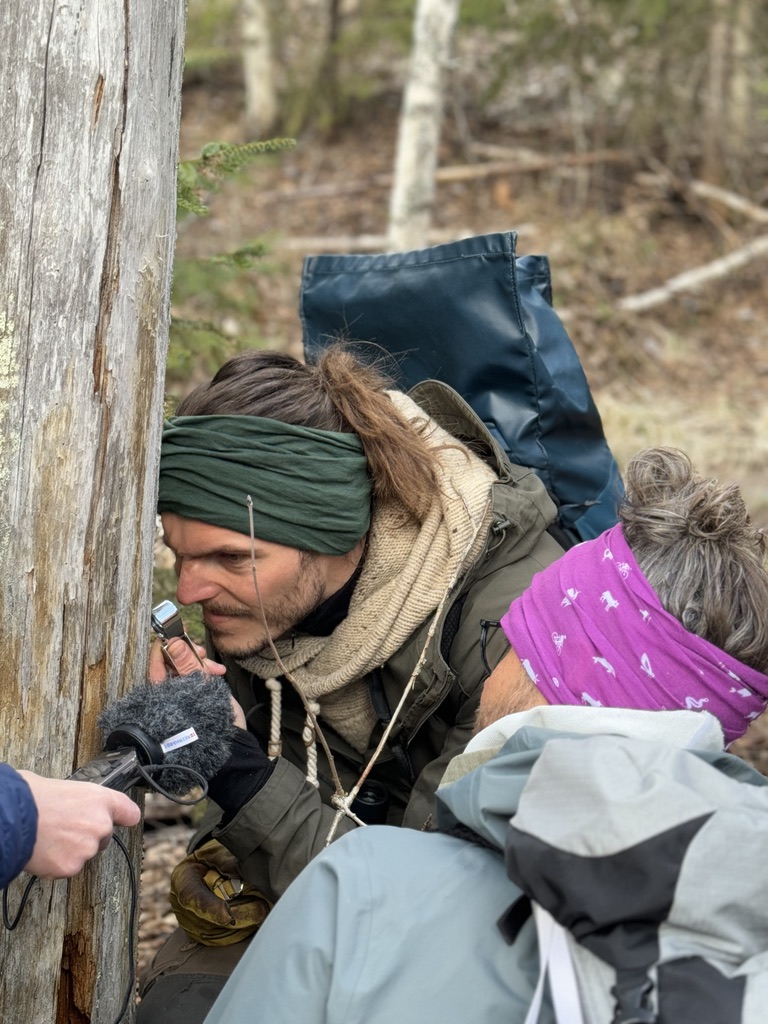
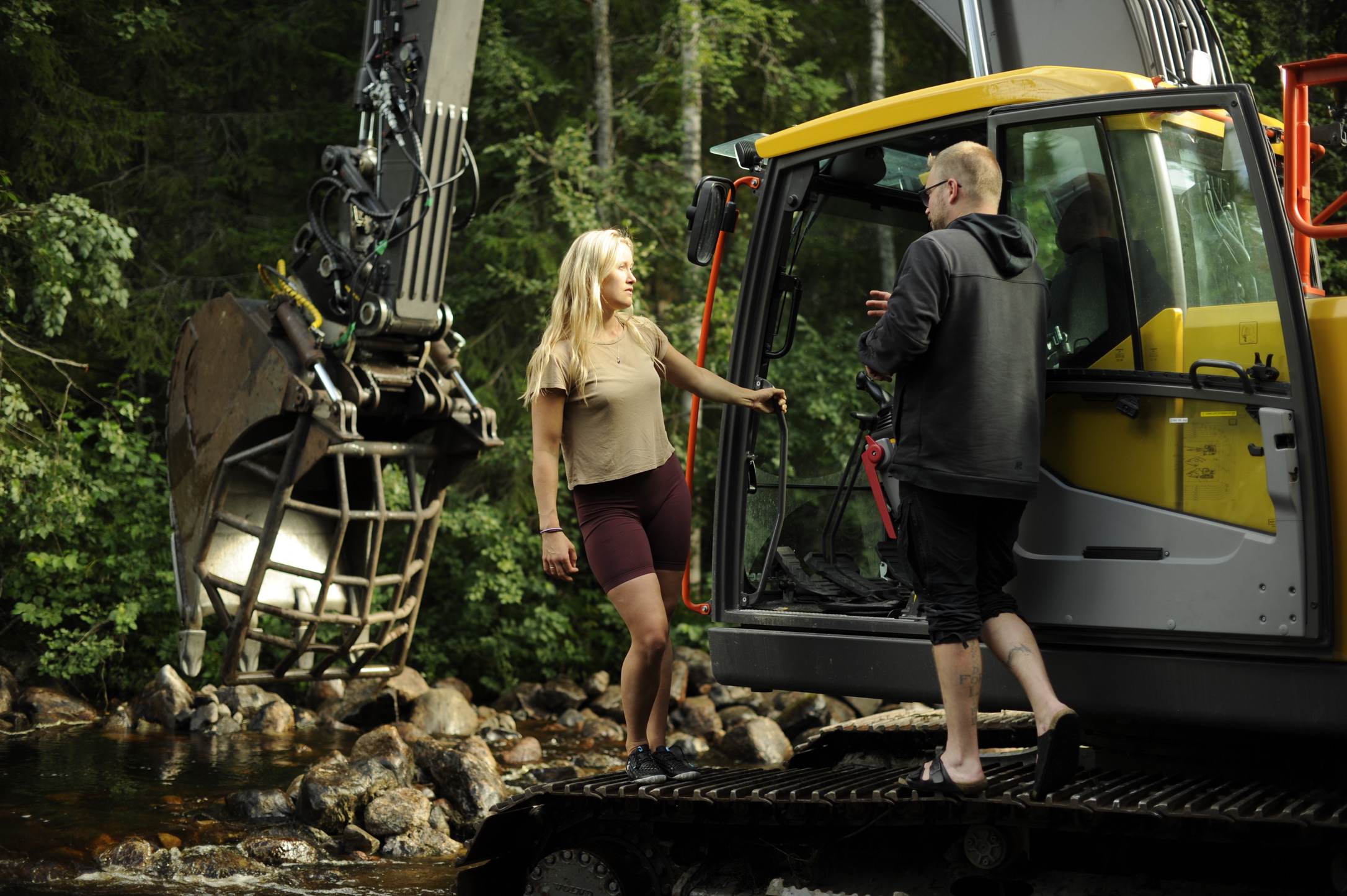
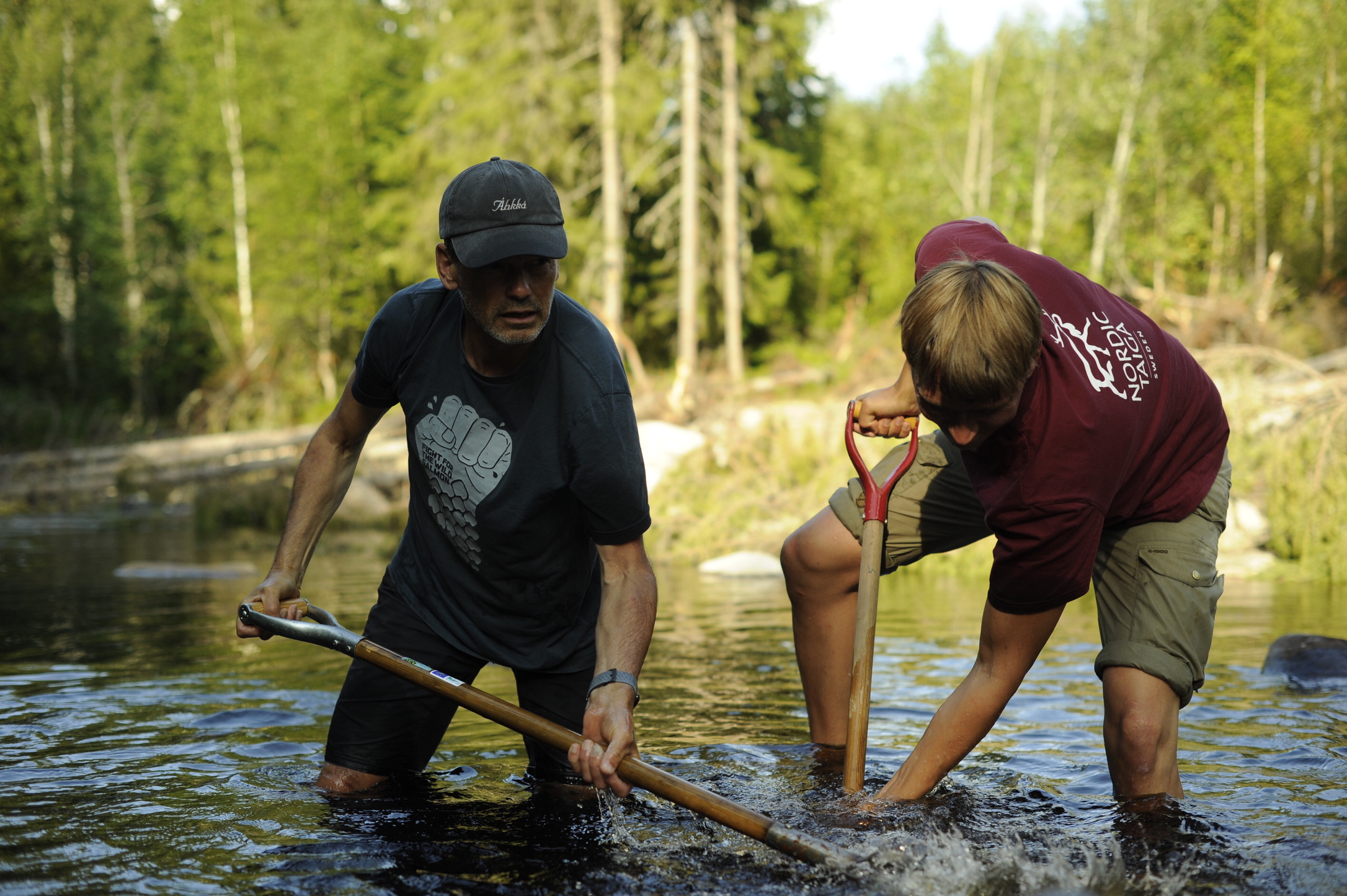
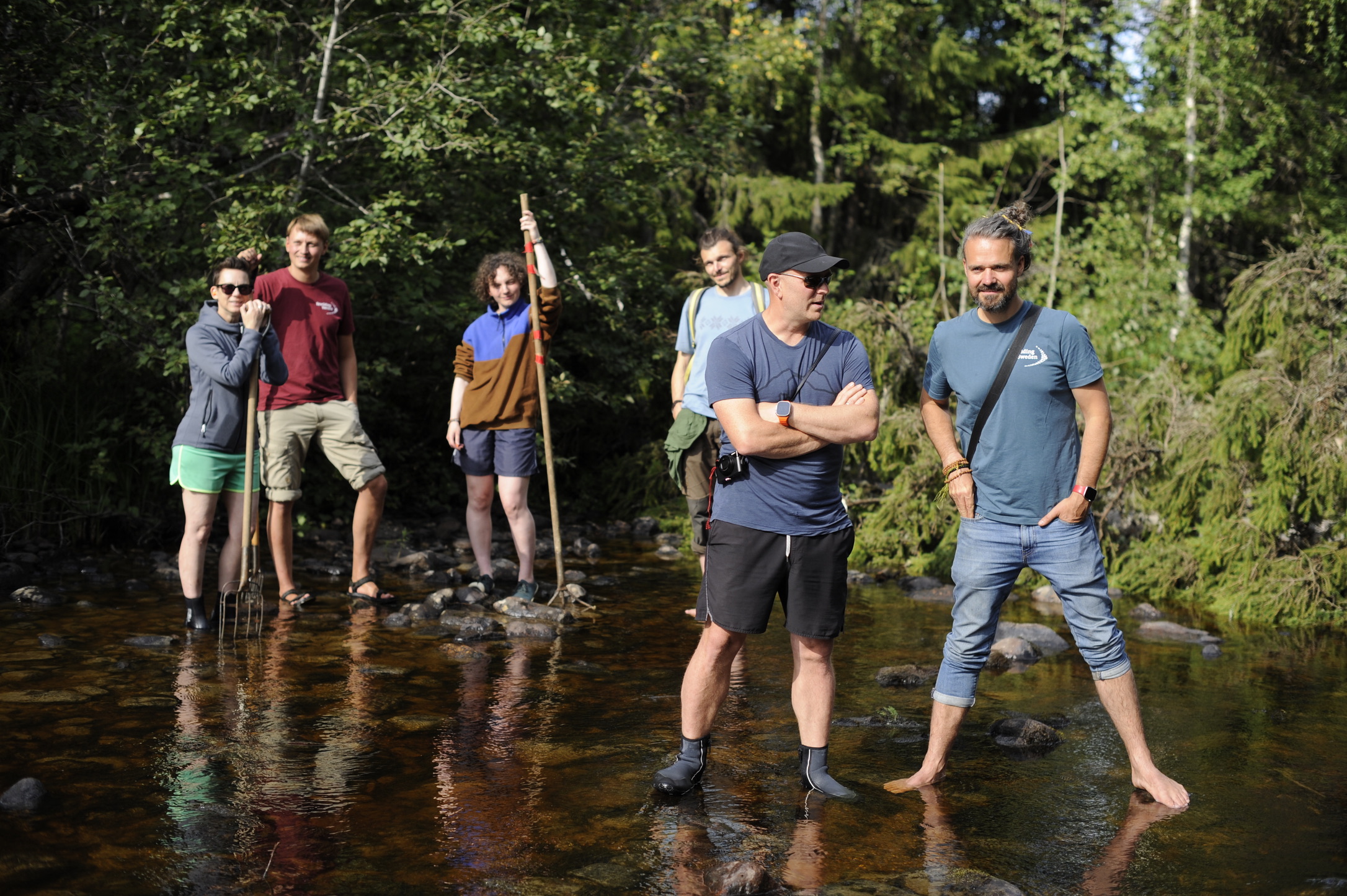
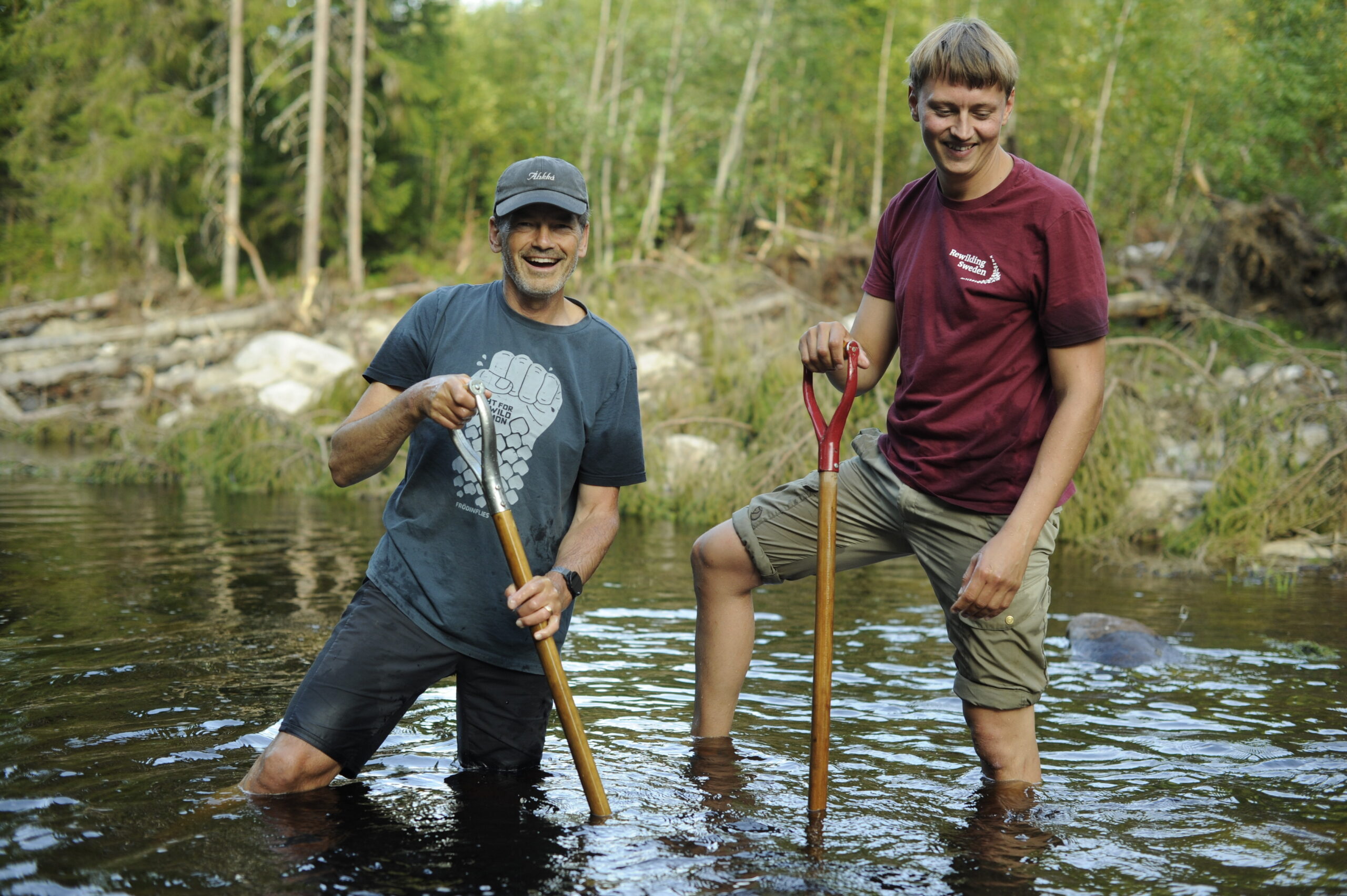
The camps are directly connected to ongoing restoration work within the Rödån catchment. Participants contribute to practical interventions linked to rivers, wetlands, and surrounding ecosystems, supporting real ecological recovery work already taking place in the landscape.

Nature immersion

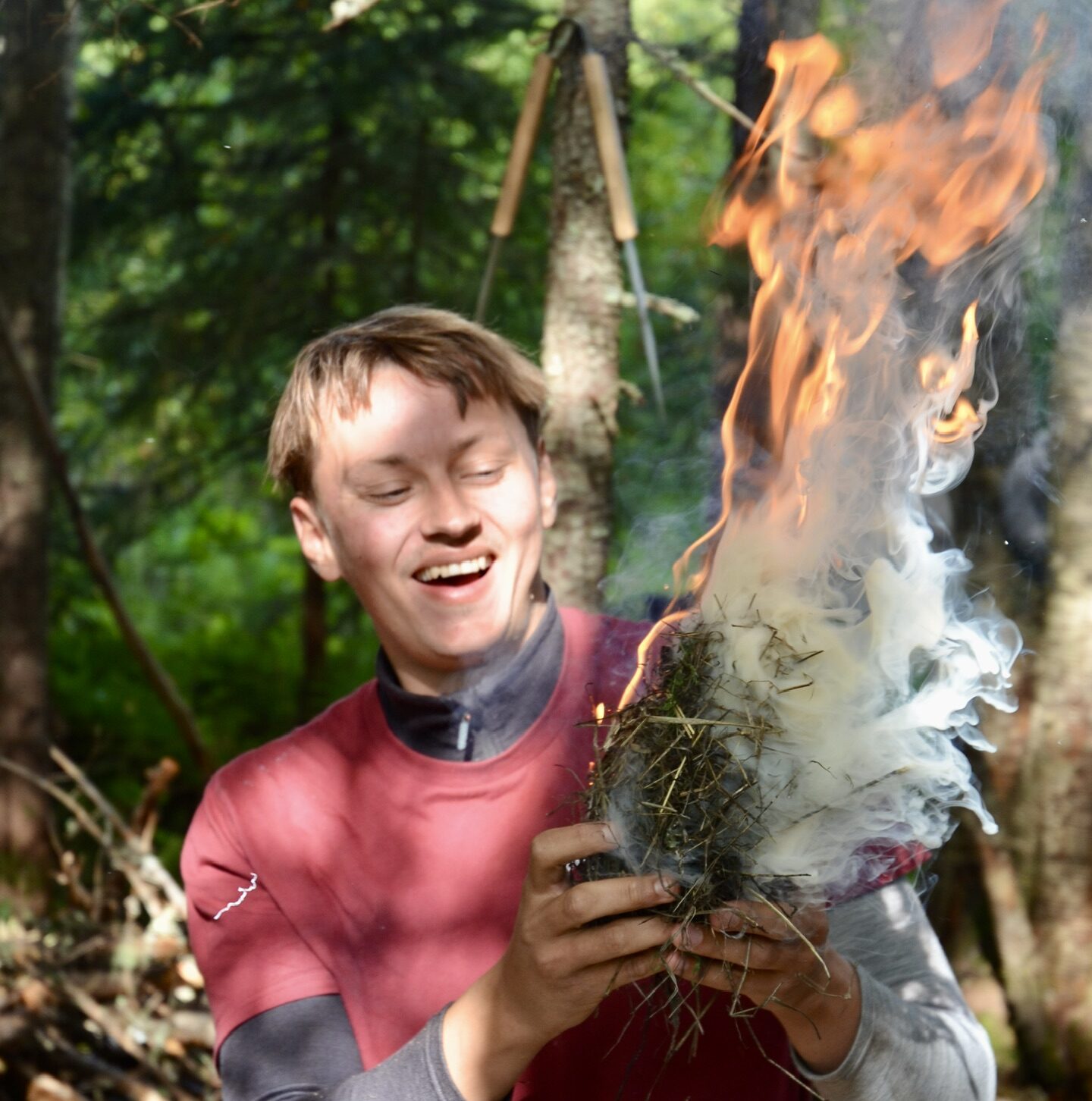
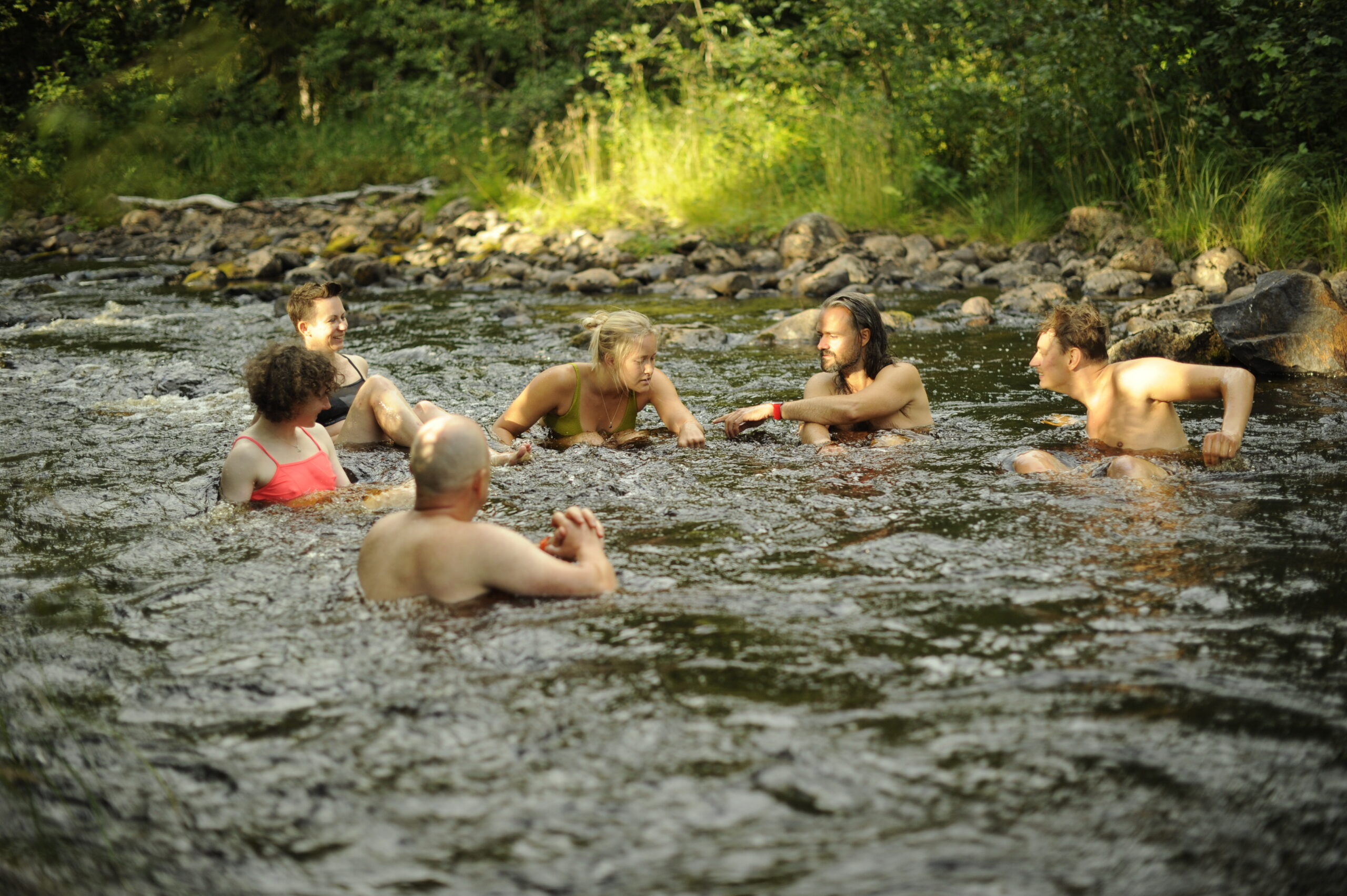
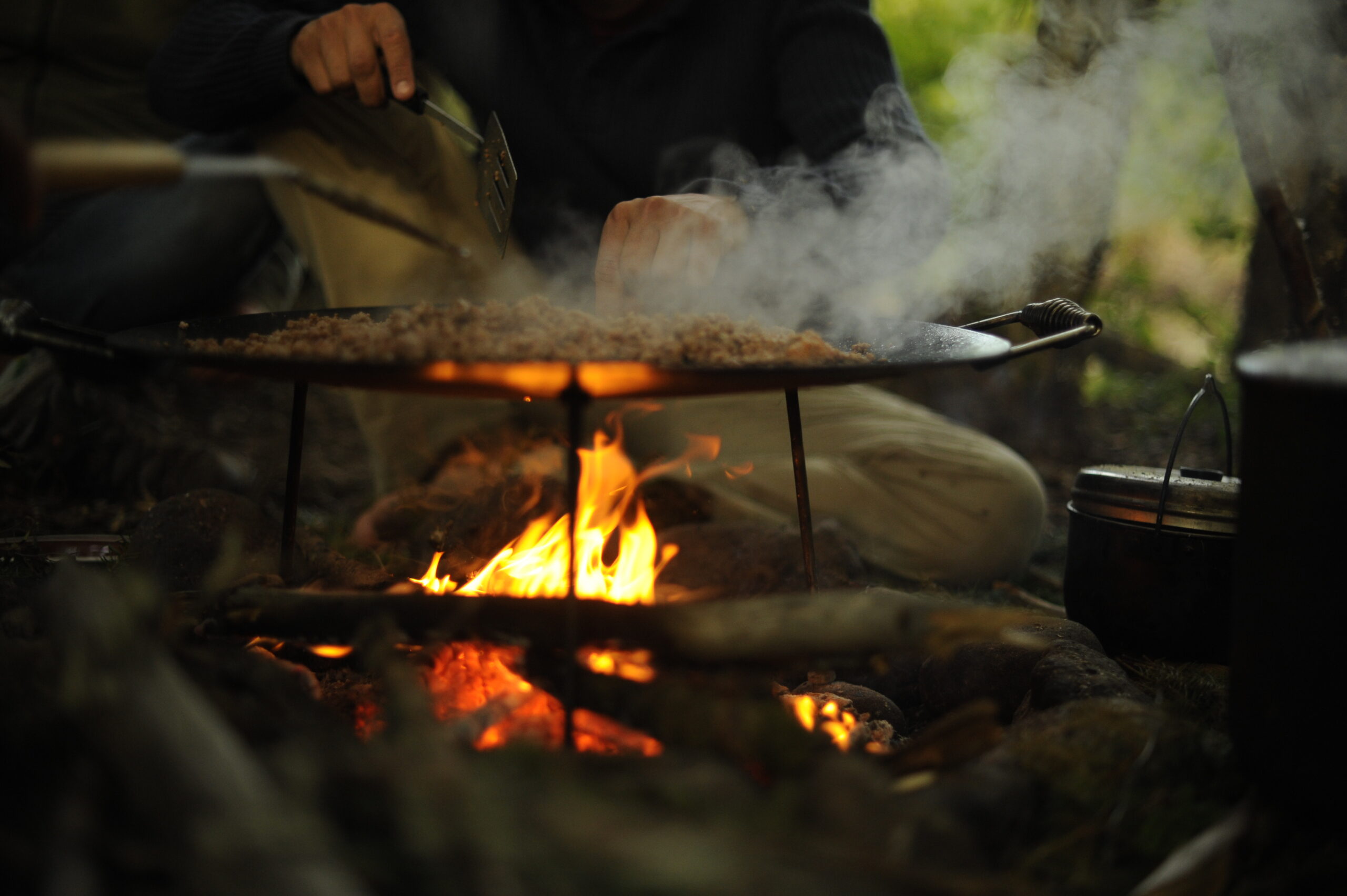
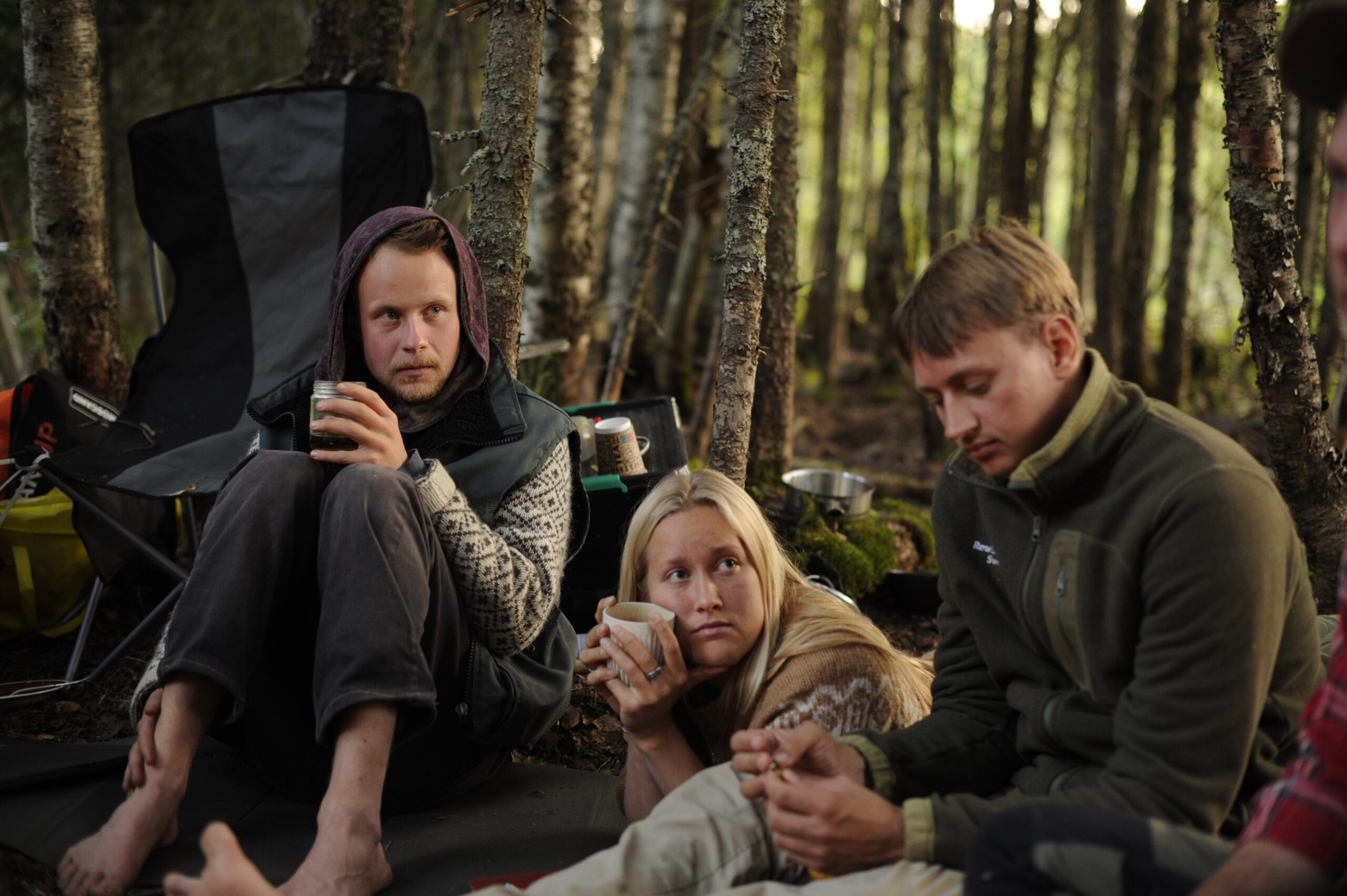
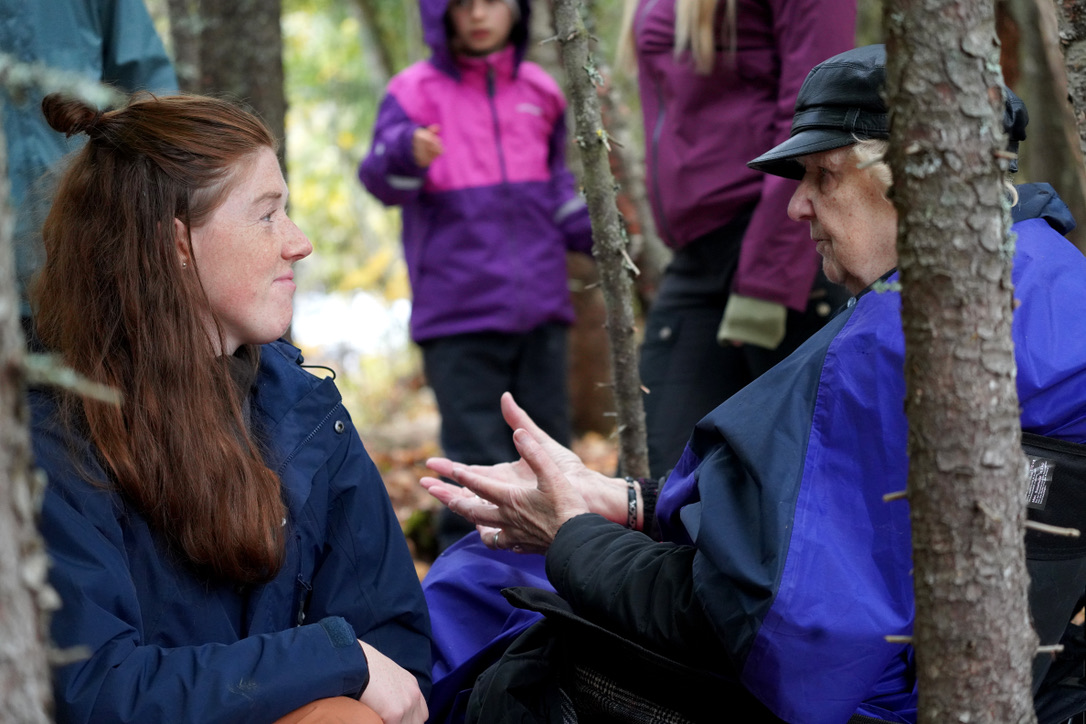
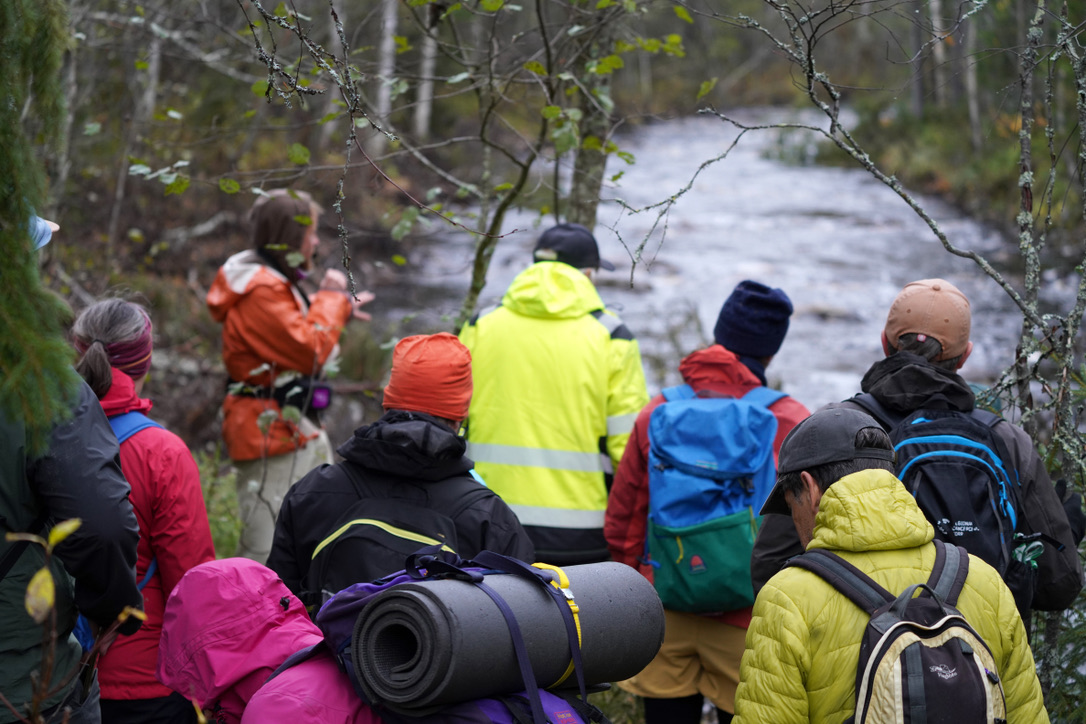
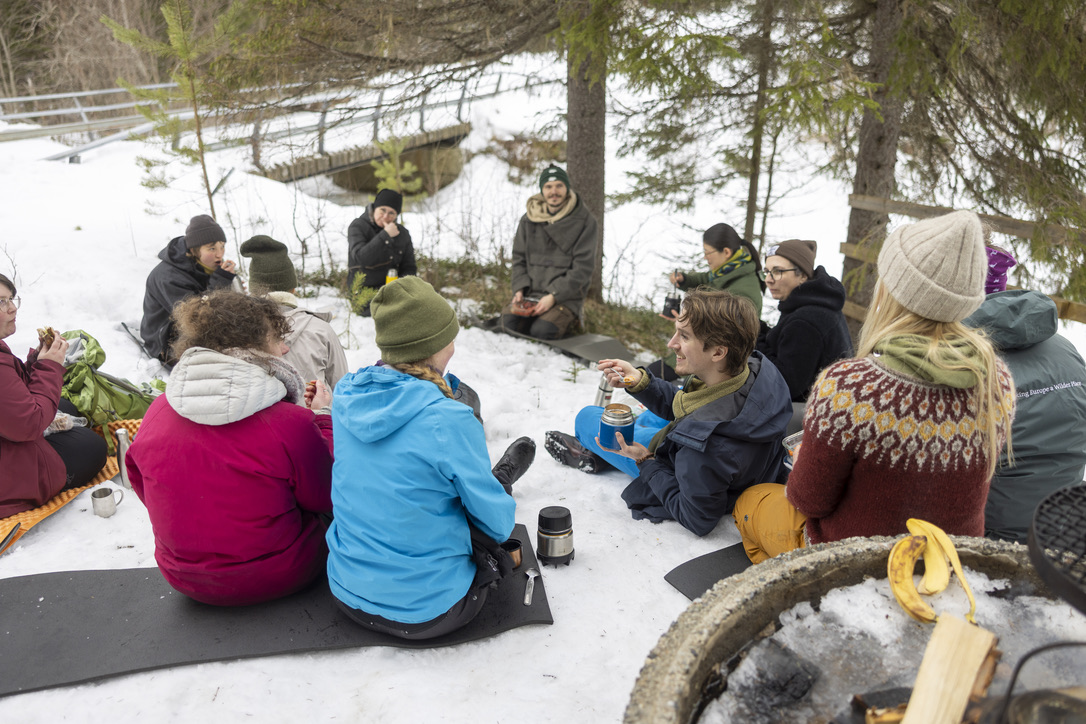
Participants spend extended time outdoors through camping, wilderness travel, fireside gatherings, and immersion in seasonal landscapes. The initiative explores how direct experiences in nature can strengthen longer-term relationships with place.

Participation

The camps are designed to create meaningful pathways into rewilding participation. Rather than short-term volunteering alone, the initiative explores how people can become more deeply involved in stewardship, learning, guiding, and community-based engagement over time.

Local value

The initiative also explores how rewilding can contribute to local economies through guiding, outdoor experiences, partnerships, and new forms of nature-based enterprise connected to landscape restoration.

Scalable model

Rewilding Camps forms part of Närmare Naturen Rödån (NNR), a three-year model development initiative exploring how ecological restoration, participation, and nature access can reinforce one another within a real landscape. The long-term ambition is to develop methods that can be adapted and applied in other catchments.

Rewilding Camp Formats

Rewilding Camp Gallery

  • This field is for validation purposes and should be left unchanged.