
From the mountains to the sea
From mountains to sea, we work to restore one of Europe’s last great forest landscapes by bringing water, forests and wildlife back into balance together with the people who live here.
A connected landscape
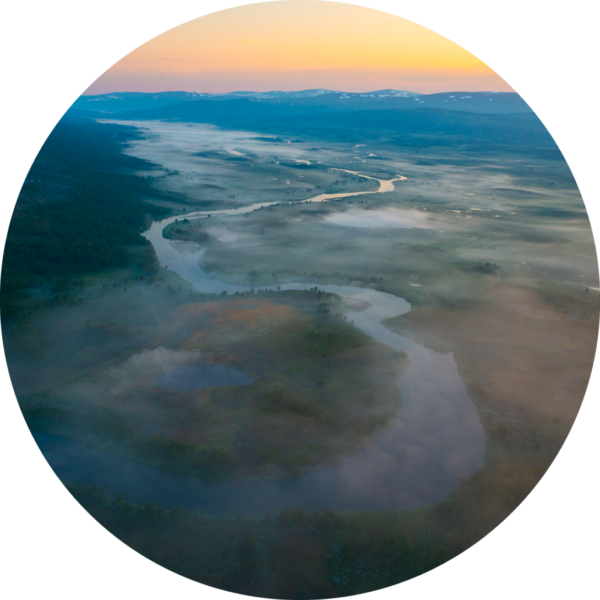
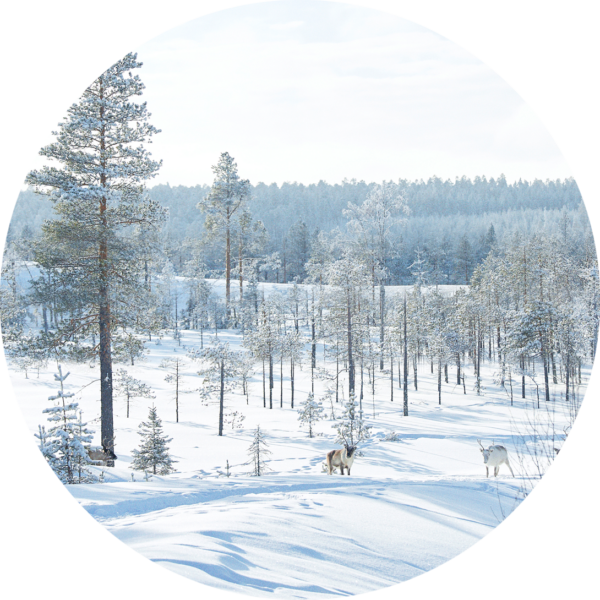
Stretching from the mountains along the Norwegian border to the Baltic Sea, the Nordic Taiga is a vast and connected landscape of forests, wetlands and rivers. It is shaped by movement. Water flows through entire catchments, carrying sediment, nutrients and life. Reindeer move across seasons and across long distances, linking mountain and coastal ecosystems. Plants and animals depend on these connections to survive and develop. What we see here is not a set of isolated habitats, but one living system where everything is linked.
At first glance, much of this landscape still appears intact. But over the past century, many of the processes that shaped it have been altered. Forests have been simplified into even-aged stands with less variation and fewer old trees. Wetlands have been drained, changing how water moves through the land. Rivers have been straightened, cleared and in many places fragmented. The result is a landscape that functions less effectively, with lower biodiversity and reduced resilience.
The Nordic Taiga landscape spans entire river systems, including the Umeälven and its major tributaries Vindelälven and Laisälven, as well as a network of coastal catchments such as Öreälven, Hörnån, Leduån, Tavelån, Sävarån, Dalkarlsån and Rickleån.
Restoring how nature works
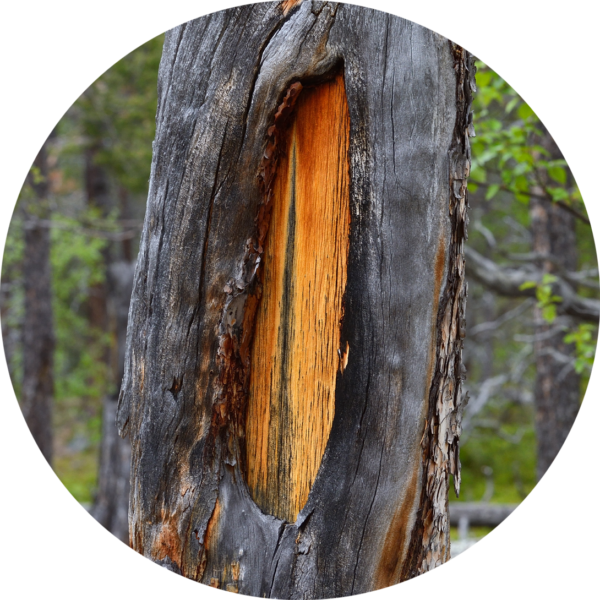
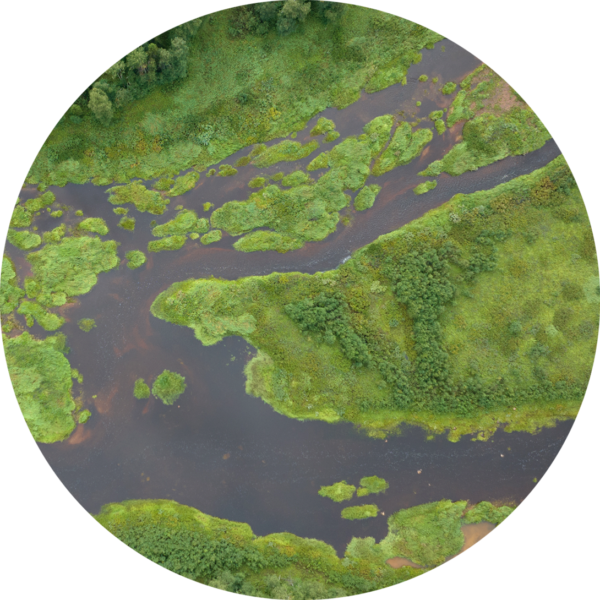
Our work focuses on restoring these underlying processes. Instead of working site by site, we work across whole catchments, following the natural pathways of water and life. When water can move more naturally, rivers begin to reshape themselves and create a wider range of habitats. Wetlands start to hold water again and rebuild their role in storing carbon. Forests regain diversity in age, structure and species, including more deciduous trees and dead wood.
This is a long-term approach. The goal is not to create fixed outcomes, but to support a landscape that can function and develop on its own. Over time, this leads to stronger ecosystems that are better able to adapt to change.
Working with people and place
The Nordic Taiga is also a working landscape. Forestry companies, state actors and private landowners all influence how the land is used. This creates both challenges and opportunities. Real change depends on collaboration and on finding ways to restore ecological function while respecting local knowledge, livelihoods and long-term stewardship.
We also recognise the importance of Sámi land use and reindeer migration, which follow the same natural patterns that shape the landscape. These connections remind us that ecological and cultural systems are closely linked.
From demonstration to a living landscape
Within this wider landscape, the Rödån and Hjuksån catchments form our first demonstration area. Here, we bring together rewilding, and our Nature for People approach in close collaboration with local communities and landowners. Together, we restore rivers, rewet wetlands and diversify forests, while creating opportunities for recreation, learning and local value.
This is not the only place where we work. Across the Nordic Taiga, we are already active in several areas and continue to expand. The Rödån and Hjuksån catchments serve as a starting point where we can test methods, build partnerships and show what is possible in practice. From here, the work continues to grow. Experience gained in one place informs the next. Over time, this allows restoration to spread across catchments and reconnect forests, wetlands and rivers into a more dynamic and functioning landscape where nature recovers and people remain an integral part of the whole.
.
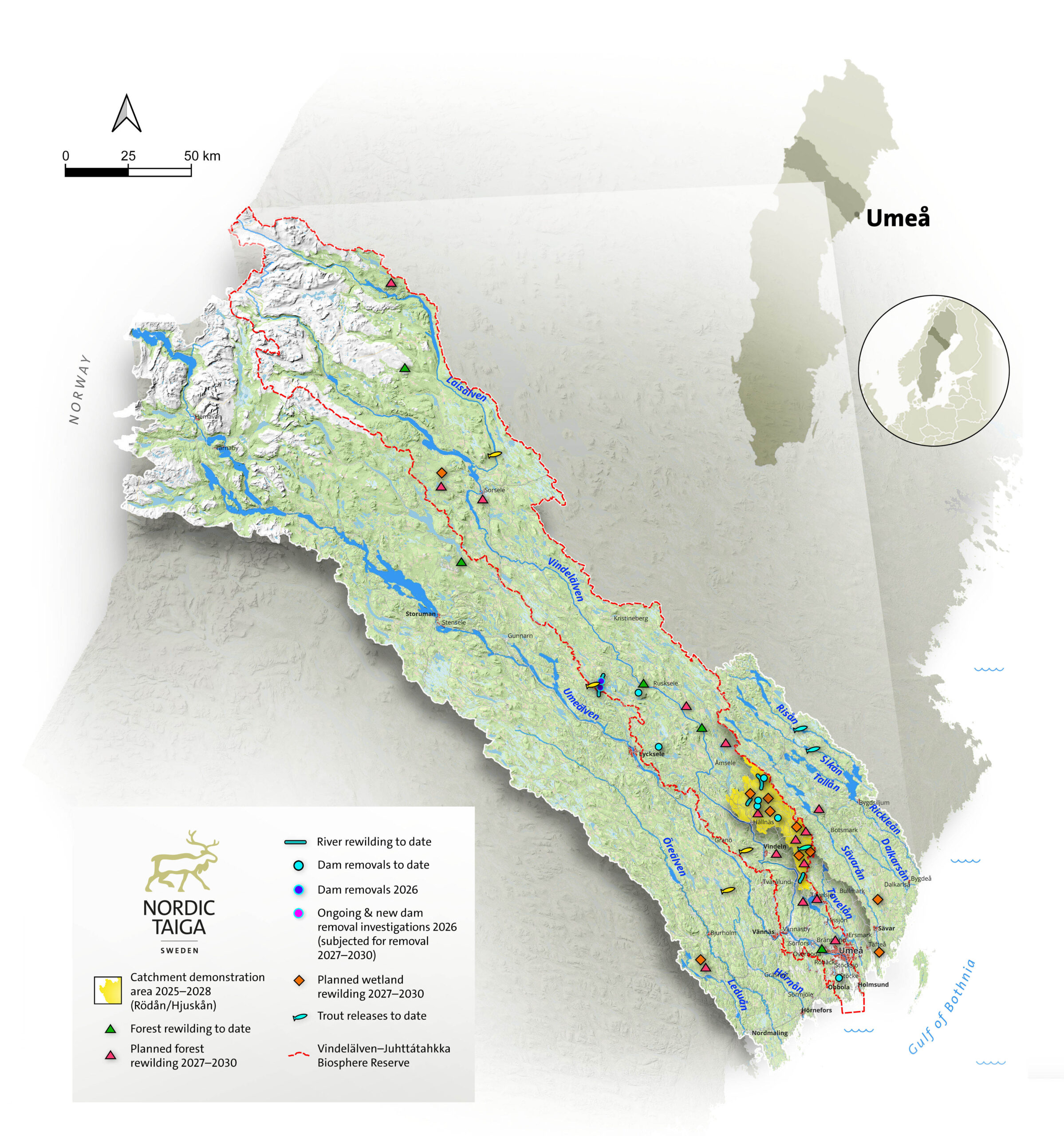
Click on map to enlarge