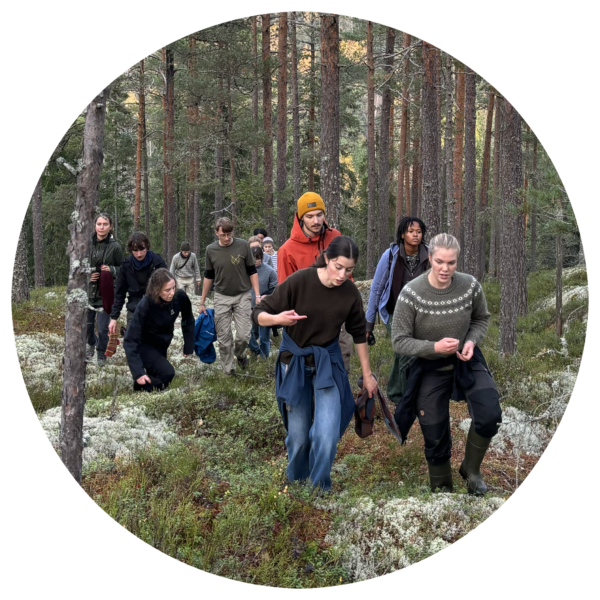

Rewilding challenges us to think in new ways, valuing nature not only for what it gives us today, but for what it can give us tomorrow, if we care for it wisely.
The awakening
Rethinking our relationship with nature
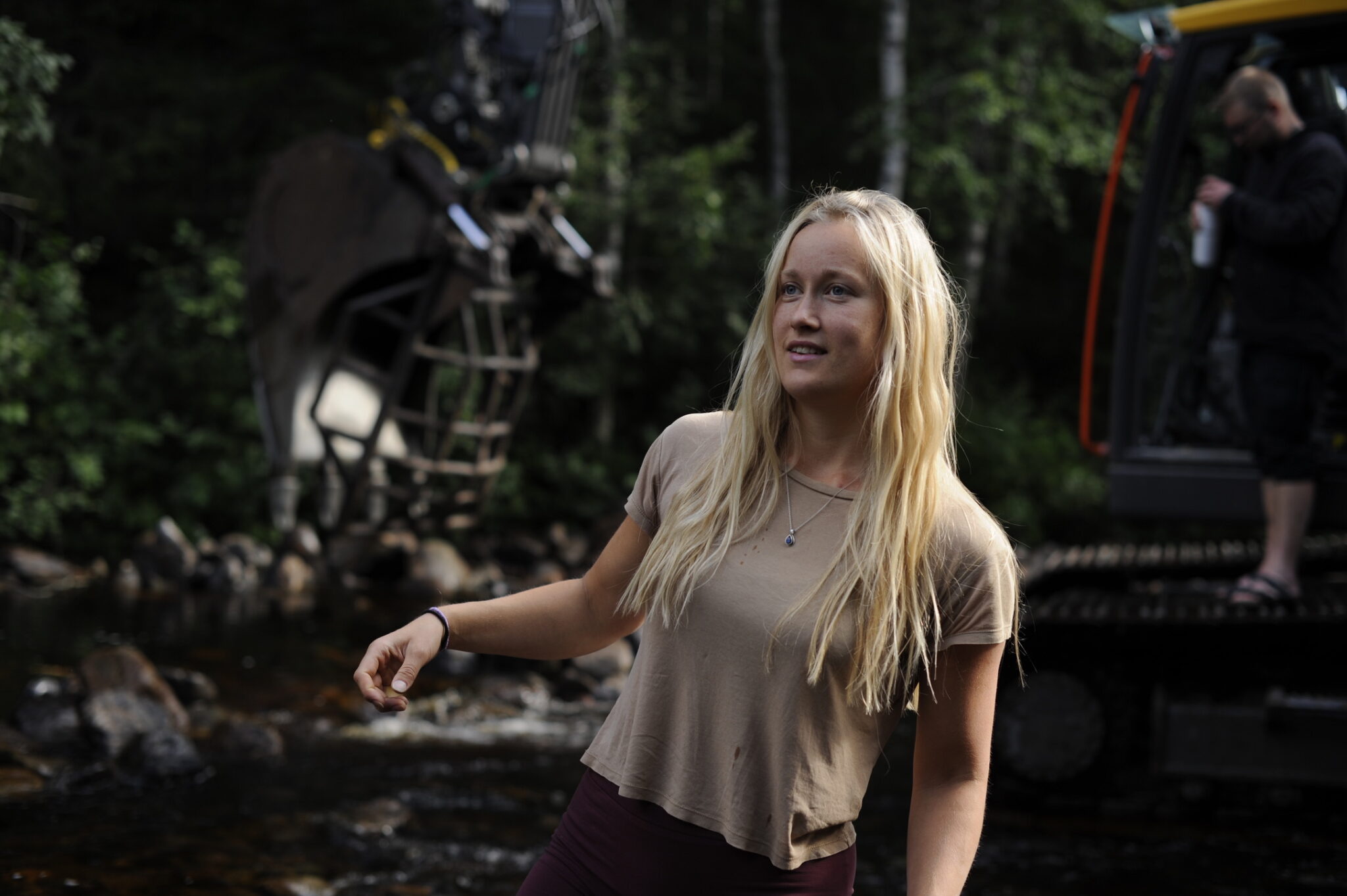
Rewilding begins with a shift in how we see and value nature – not as something to exploit for immediate gain, but as a life-giving system that we all depend on. Nature gives us fresh water, clean air, stable weather, and thriving biodiversity. These are not luxuries – they’re necessities.
The transformation
A change in thought and feeling
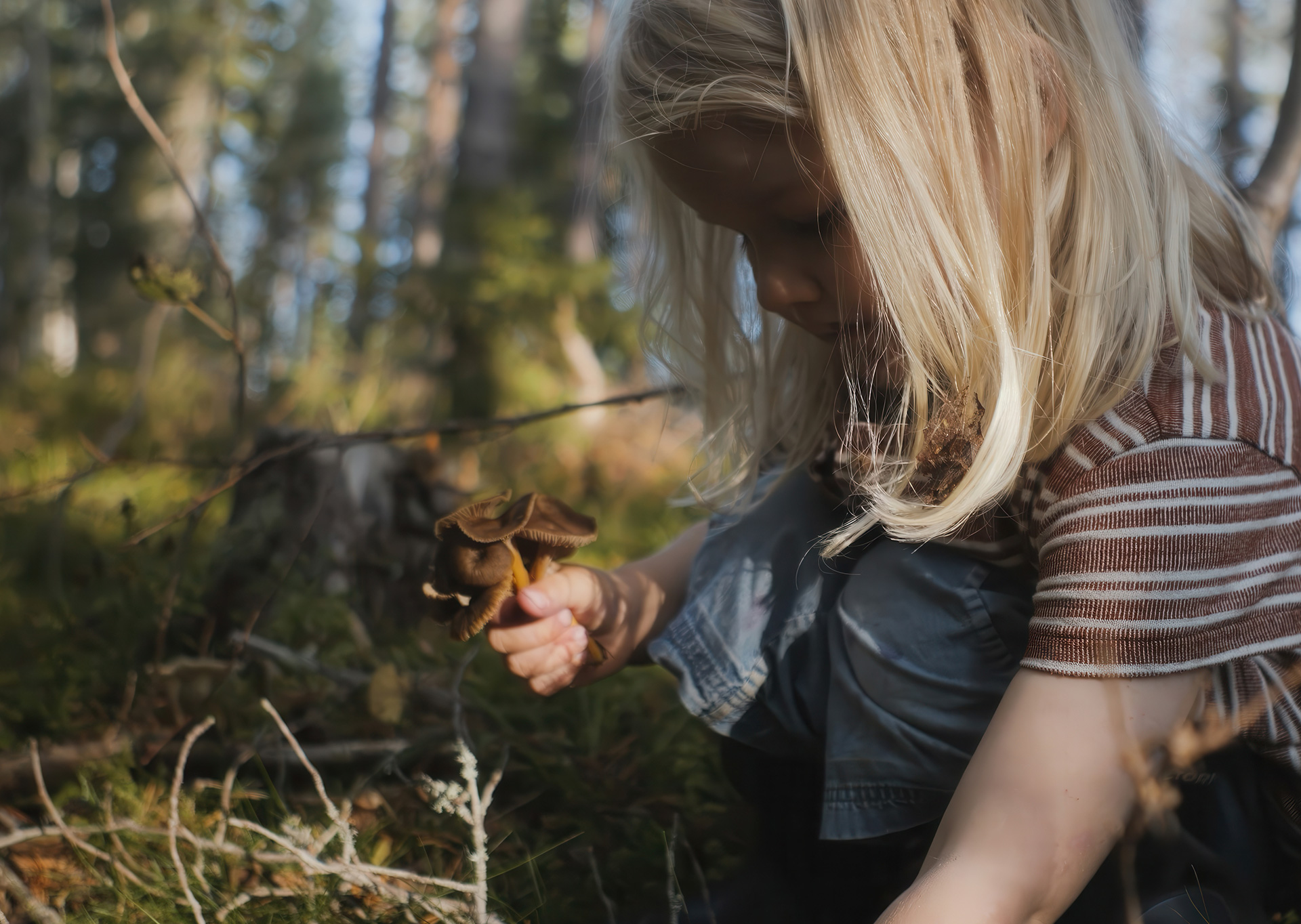
“Rewilding our minds” is about changing how we think. “Rewilding our hearts” is about reclaiming the deep emotional connection we share with the natural world. This isn’t about nostalgia or longing for what’s been lost. It’s about building something better — embracing a new, interconnected vision of nature as a central part of human flourishing.
The movement
More than ecology
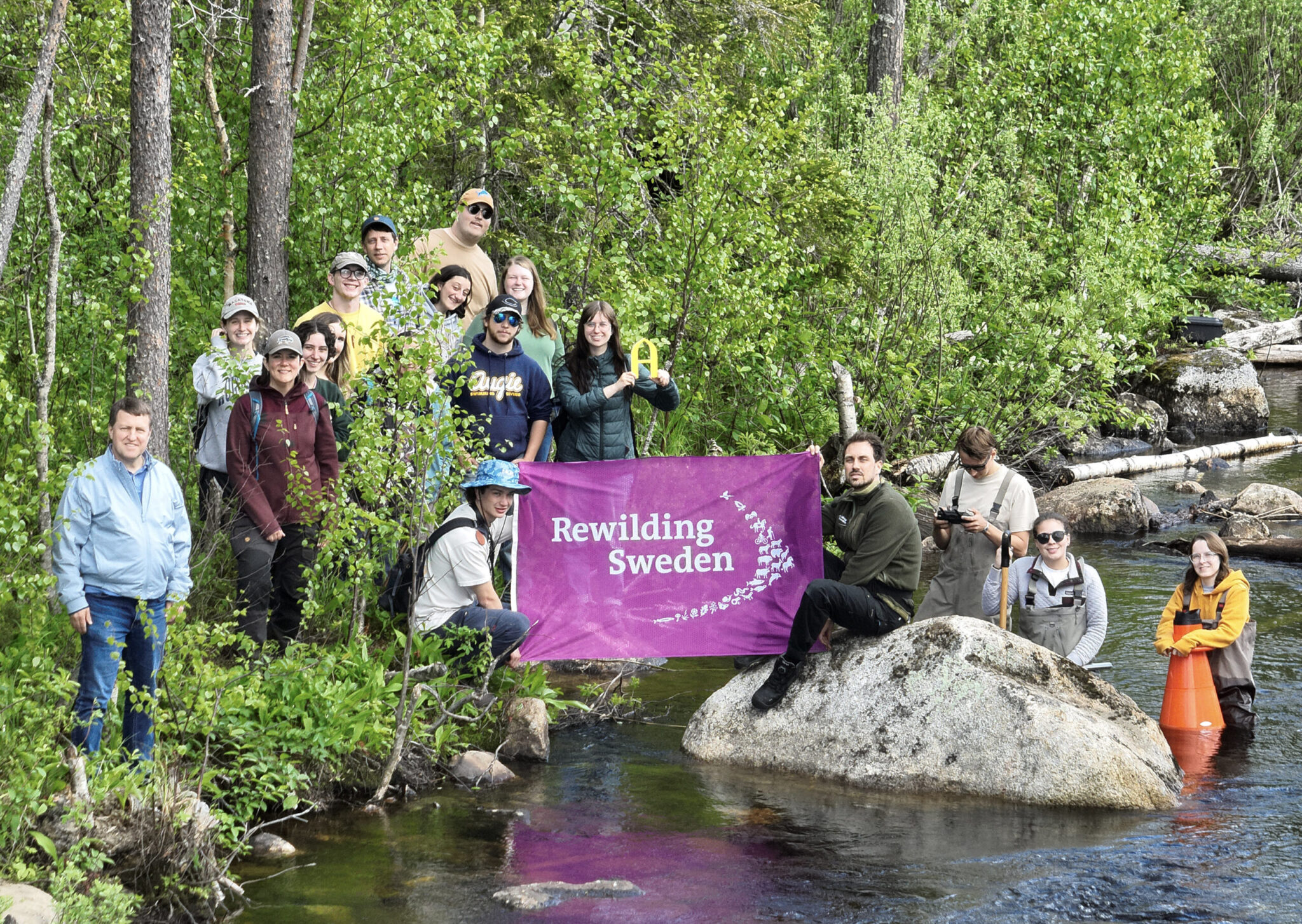
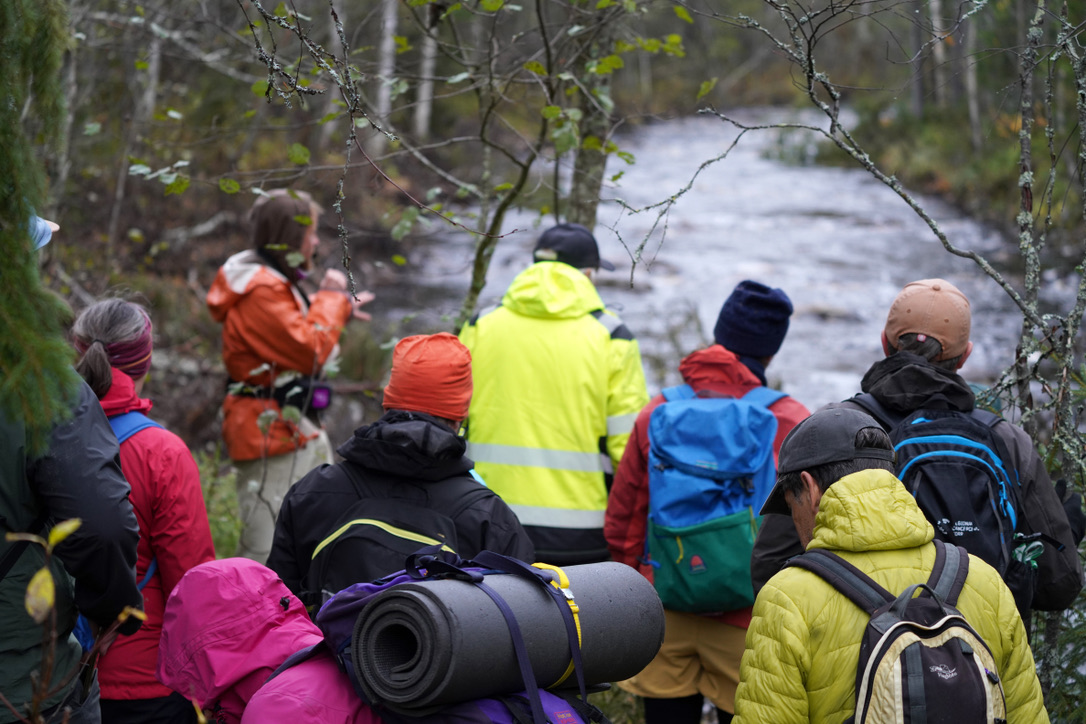
Rewilding isn’t just an ecological question. It’s also a social one. It plays out in lived landscapes, where people already have relationships with land and water. Our work is about building from that — finding ways for ecological recovery, local livelihoods, and everyday life to move forward together.
The value of wild
NRethinking the cost of nature’s decline
What if we invested in nature as we do in financial capital — with ecosystem health and biodiversity as tangible assets?
In the financial world, we invest, protect capital, and aim for steady growth. But with nature, we often do the opposite: cut down forests, overfish, drain ecosystems. It’s selling out our future for a momentary payout. Wilder landscapes yield long-term returns: clean water, carbon storage, rich wildlife, and climate resilience. Waste them, and we’re poorer — environmentally and financially.
At Rewilding Sweden, we work to bring nature back into balance. Because a wilder landscape isn’t just better for wildlife — it’s smarter for people too.
The economic benefits
A business case for the wild
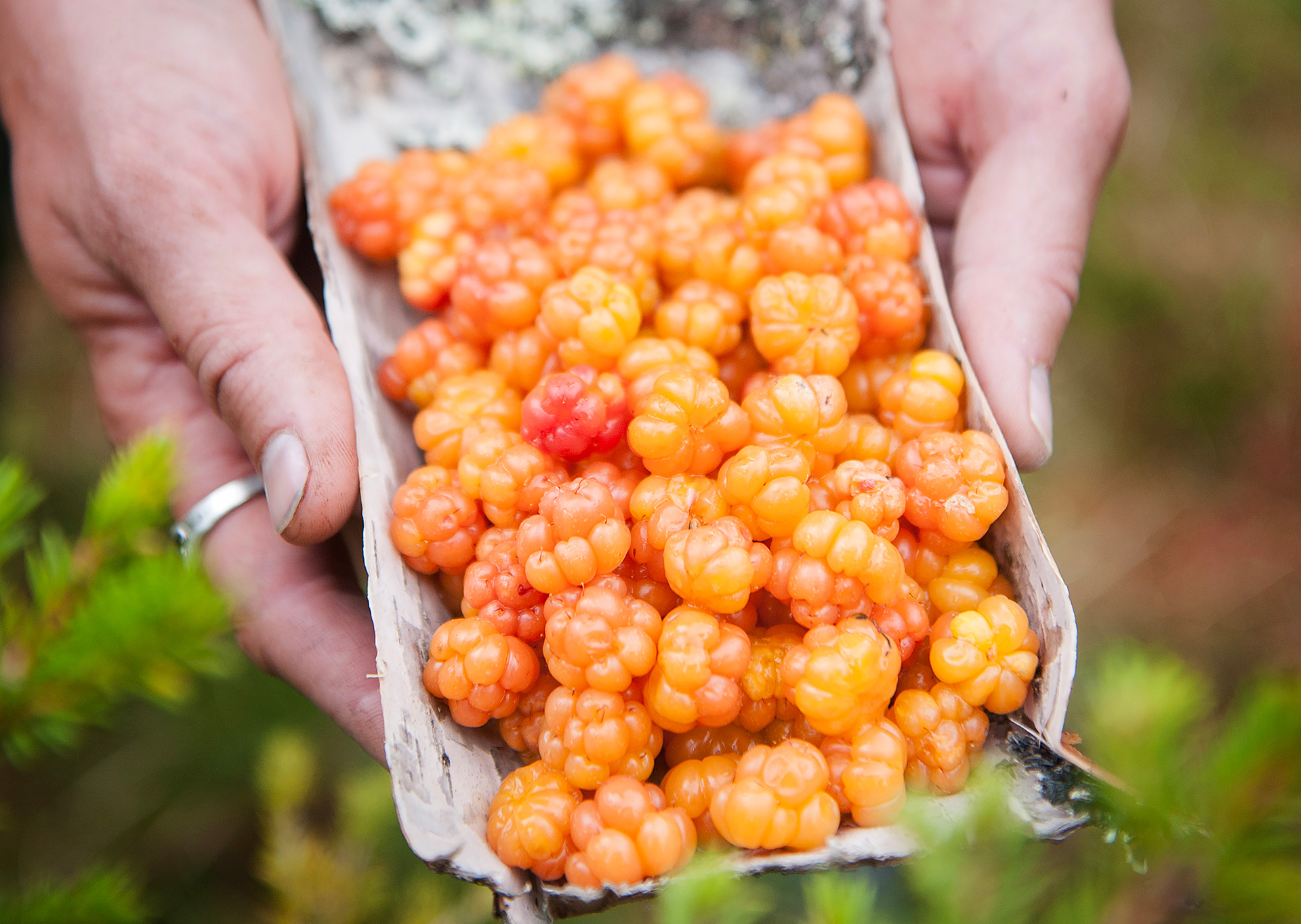
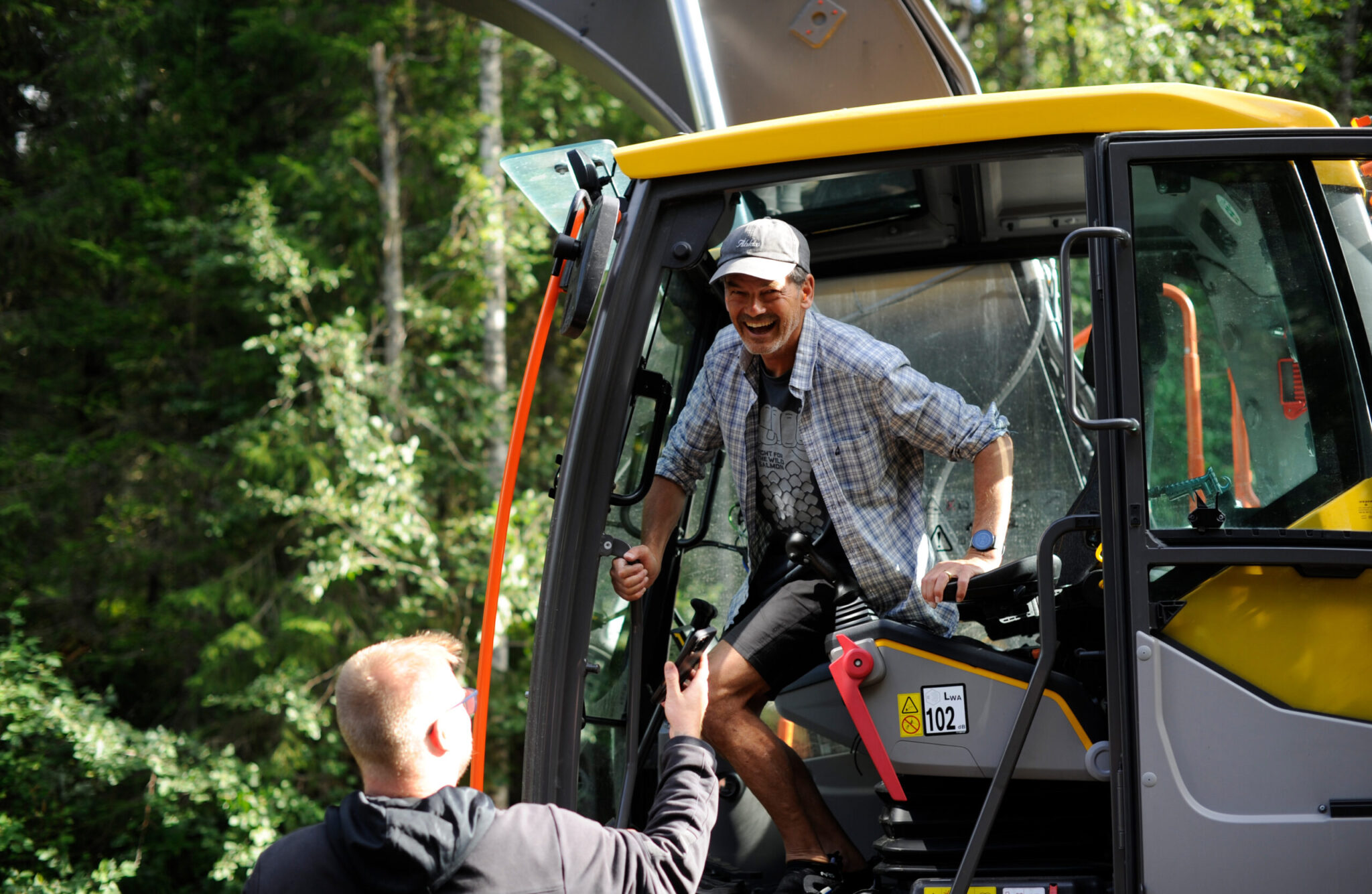
Rewilding can create space for new jobs and ways of working — but it also builds on what already exists. In northern Sweden, people are already living and working in these landscapes. From traditional and cultural livelihoods to food production and forestry, there are many ways people relate to land and water. The work is about finding where ecological recovery and everyday livelihoods can move in the same direction — and supporting that where it makes sense. That might mean new nature-based opportunities, or it might mean supporting doing existing things differently – helping to find new revenue streams to adapt nature positive practises. In all cases, the aim is the same: landscapes that are alive, and communities that can continue to live with them.
Jeffrey van Houten
The wider benefits
When nature thrives, people thrive
You notice it when nature starts to come back. It’s not just the birds or the trees – it’s something in the people, too. There’s more life. More conversations. A bit more pride in the place. Kids start roaming again. People take walks. It gives folks something to talk about — something to care about together.
Rewilding doesn’t just change the land. It shifts how people feel. Calmer. More connected. A bit more grounded. It reminds us of who we are — and that we’re not separate from all this, but a part of it. That feeling? It matters. It sticks.
Engaging the next generation of rewilders
Inspiring and enabling young people to join the burgeoning rewilding movement is critical for the future health of the planet. Building engagement with this demographic is one of our core aims, as it can help to create a generation of eco-conscious individuals who value and understand the importance of preserving and restoring natural habitats, and who want to become involved in nature recovery themselves.
Rewilding Sweden is working towards a future where natural processes increasingly shape landscapes, enhancing nature’s capacity to deliver benefits such as food, clean air and water, and human health and well-being. We want future generations, like our ancestors, to marvel at the grandeur of wild nature, finding connection and deeper meaning in it. That’s why we see it as our shared responsibility to treat nature as precious heritage – something we have a duty to pass on in the best possible condition.
Check out our youth project Forests of the future.