
Background to the initiative
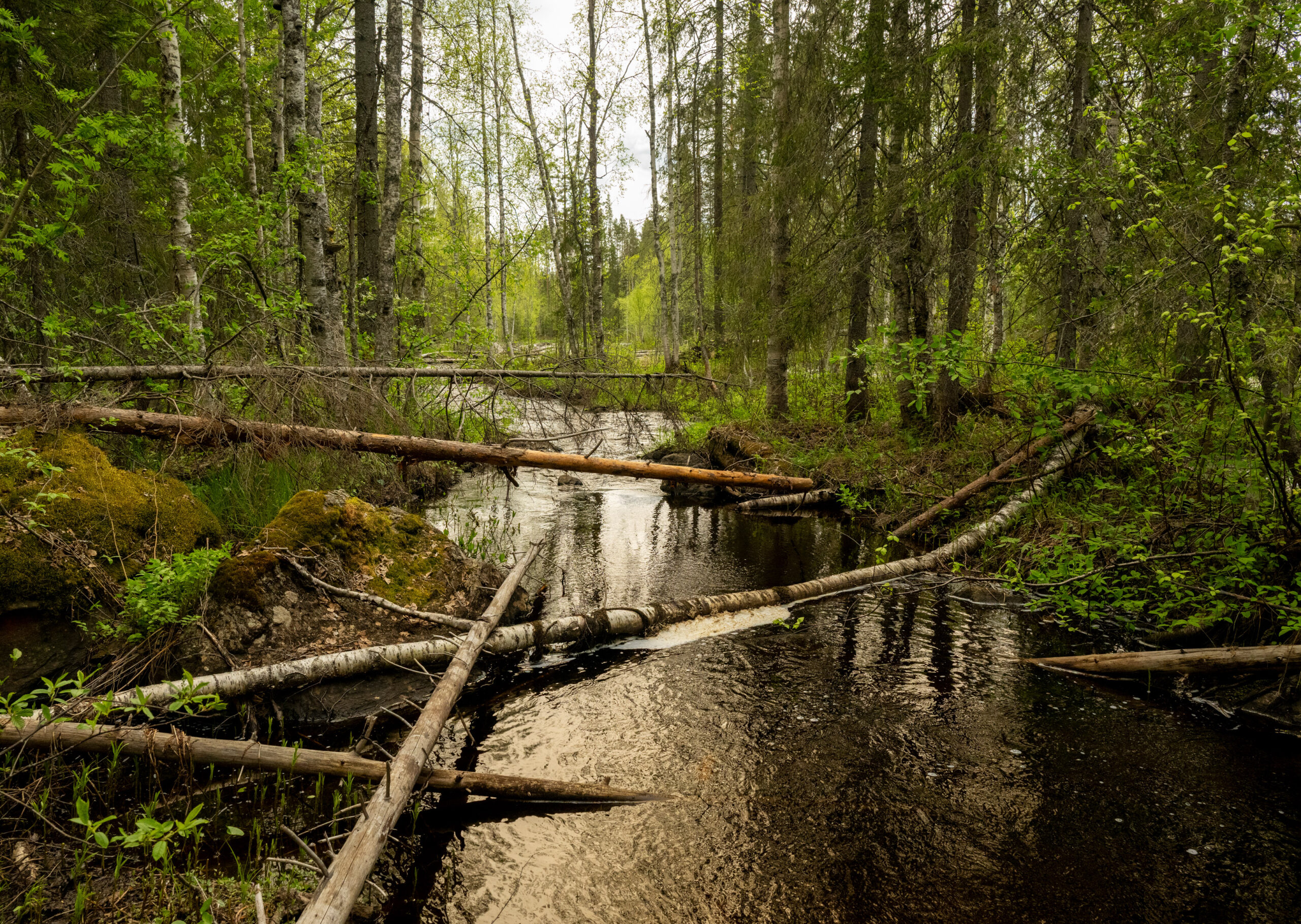
During the 20th century, many of the Nordic taiga’s rivers were heavily affected by damming, timber floating, sawmill operations, and extensive clearing. Natural structures such as boulders and dead wood disappeared, migration routes were blocked, and important trout habitats were destroyed or degraded. The result was weakened ecosystems and reduced biodiversity.
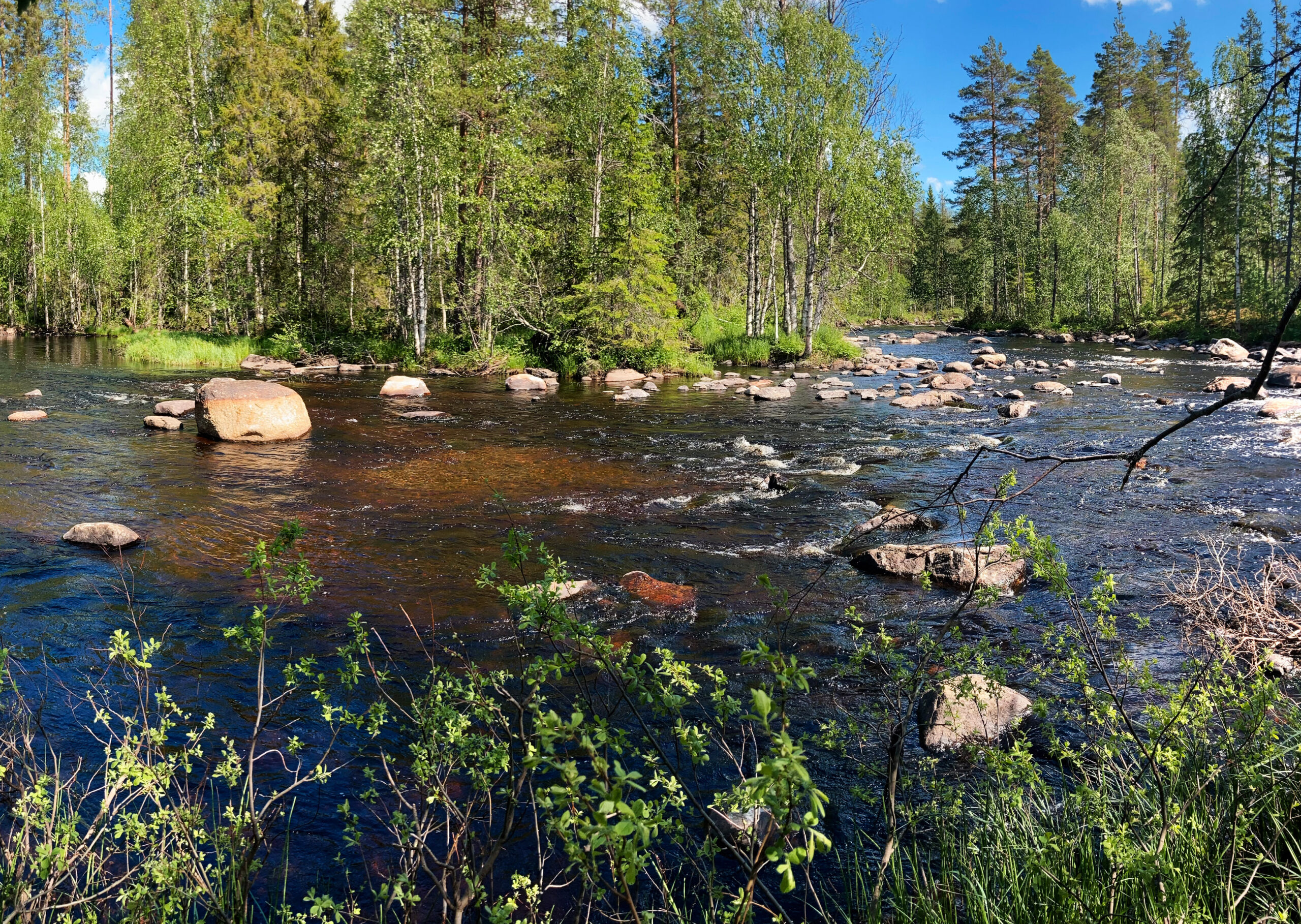
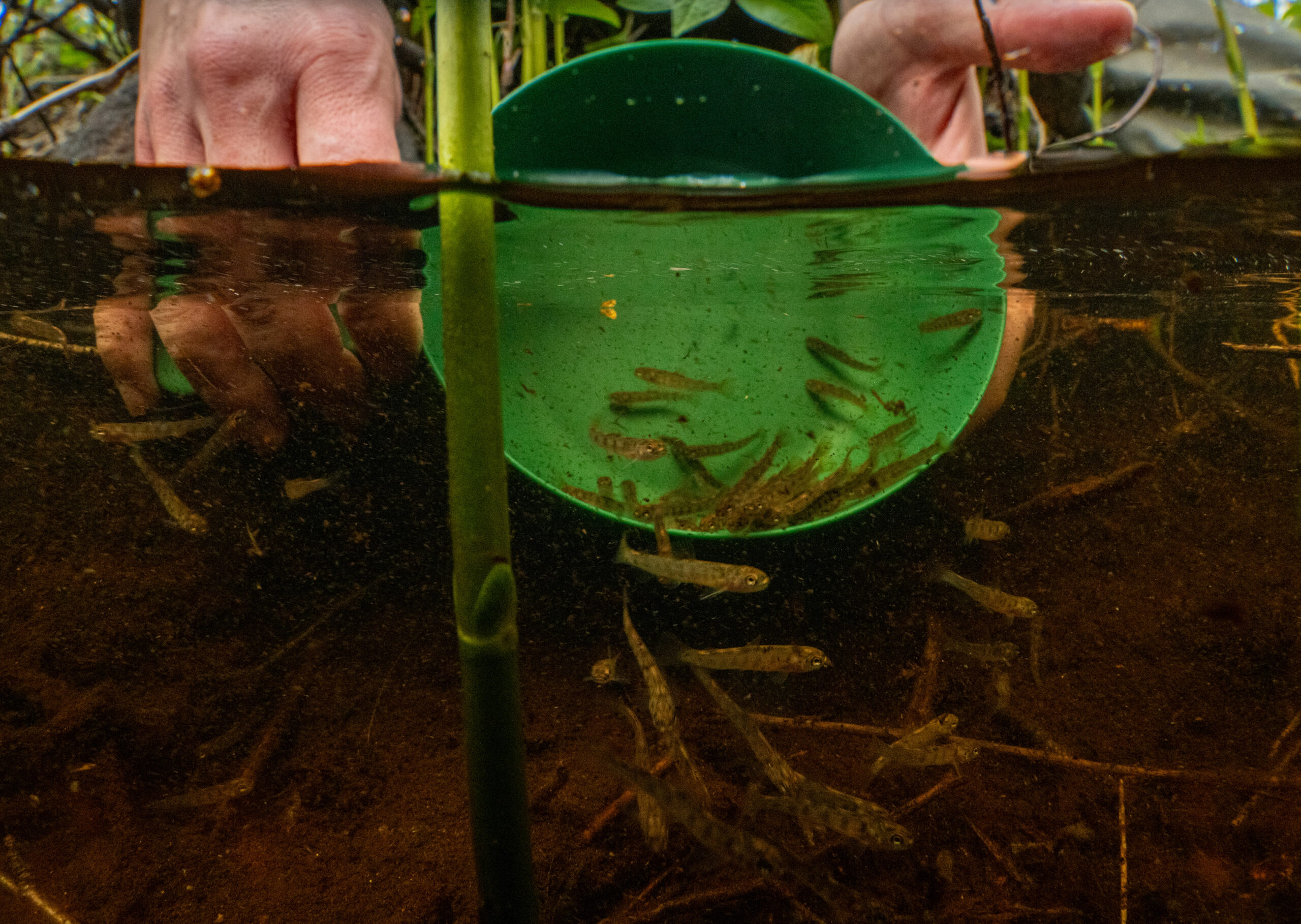
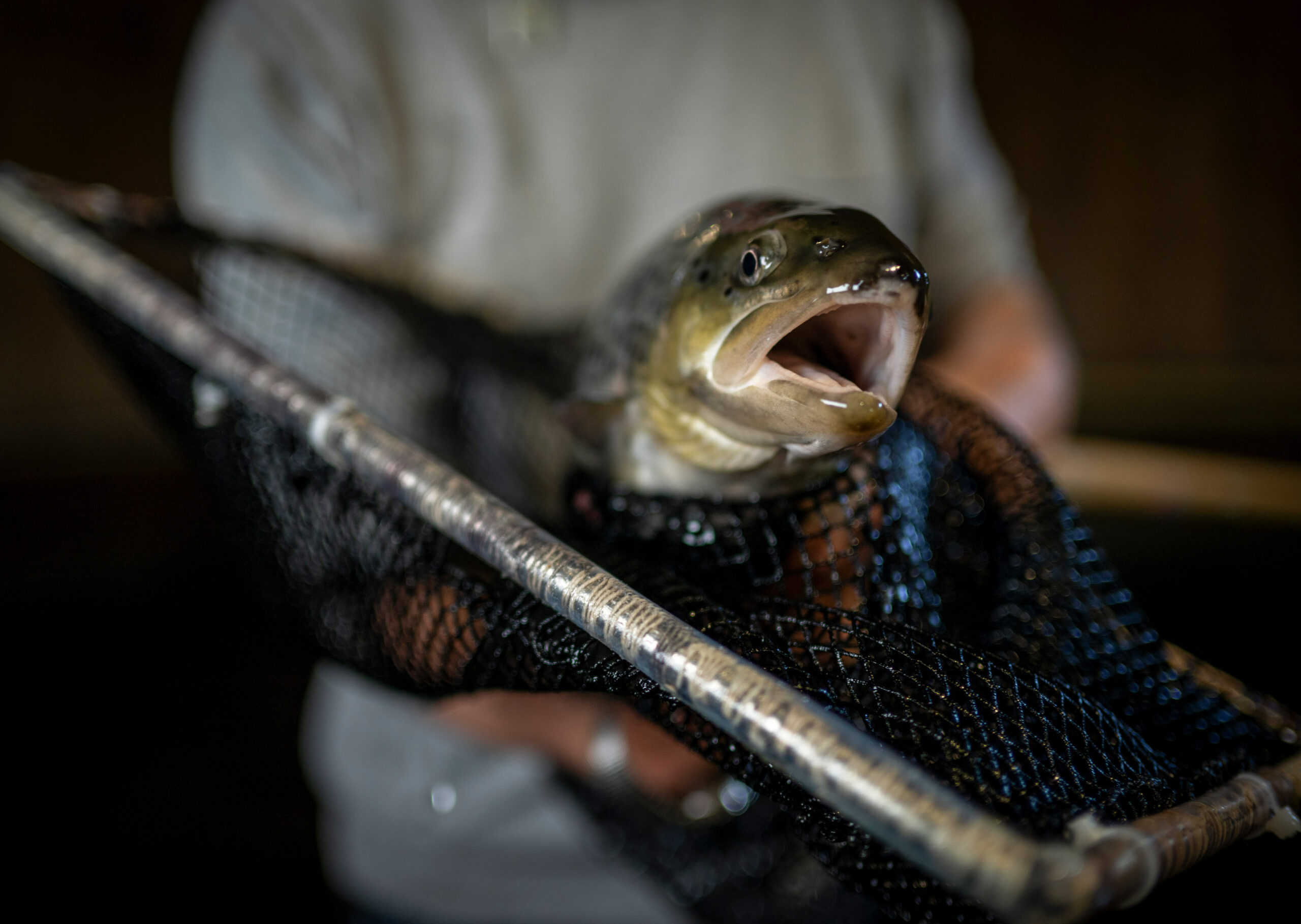
In several rivers, restoration has now begun the journey back. By returning stones, boulders, and dead wood, and removing migration barriers, rivers are once again given better conditions to become living, dynamic, and wilder. But despite these efforts, trout do not always return on their own. In some cases, source populations are likely too small to spread back to restored stretches unaided. Active reintroduction of trout fry can therefore be an important next step.
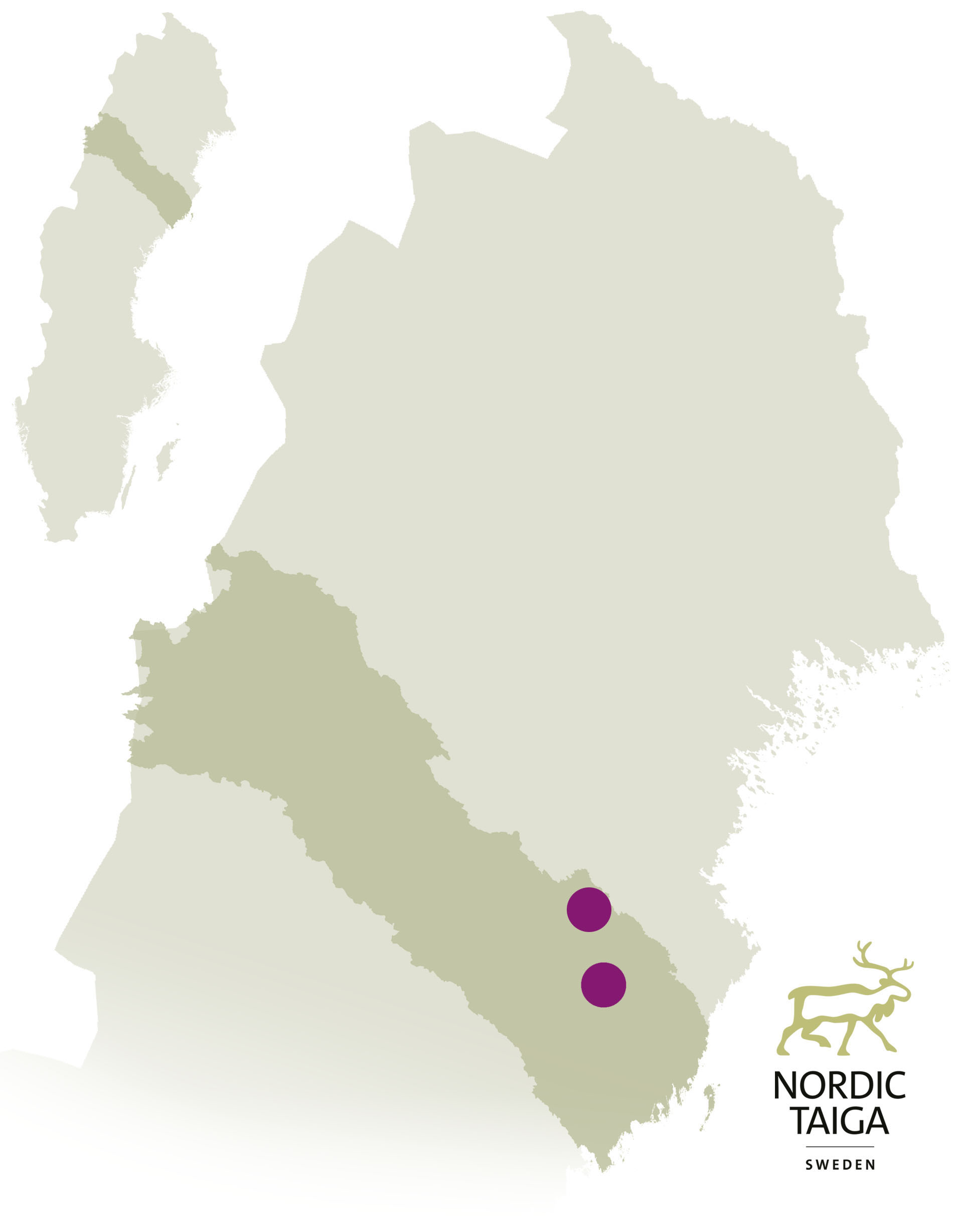
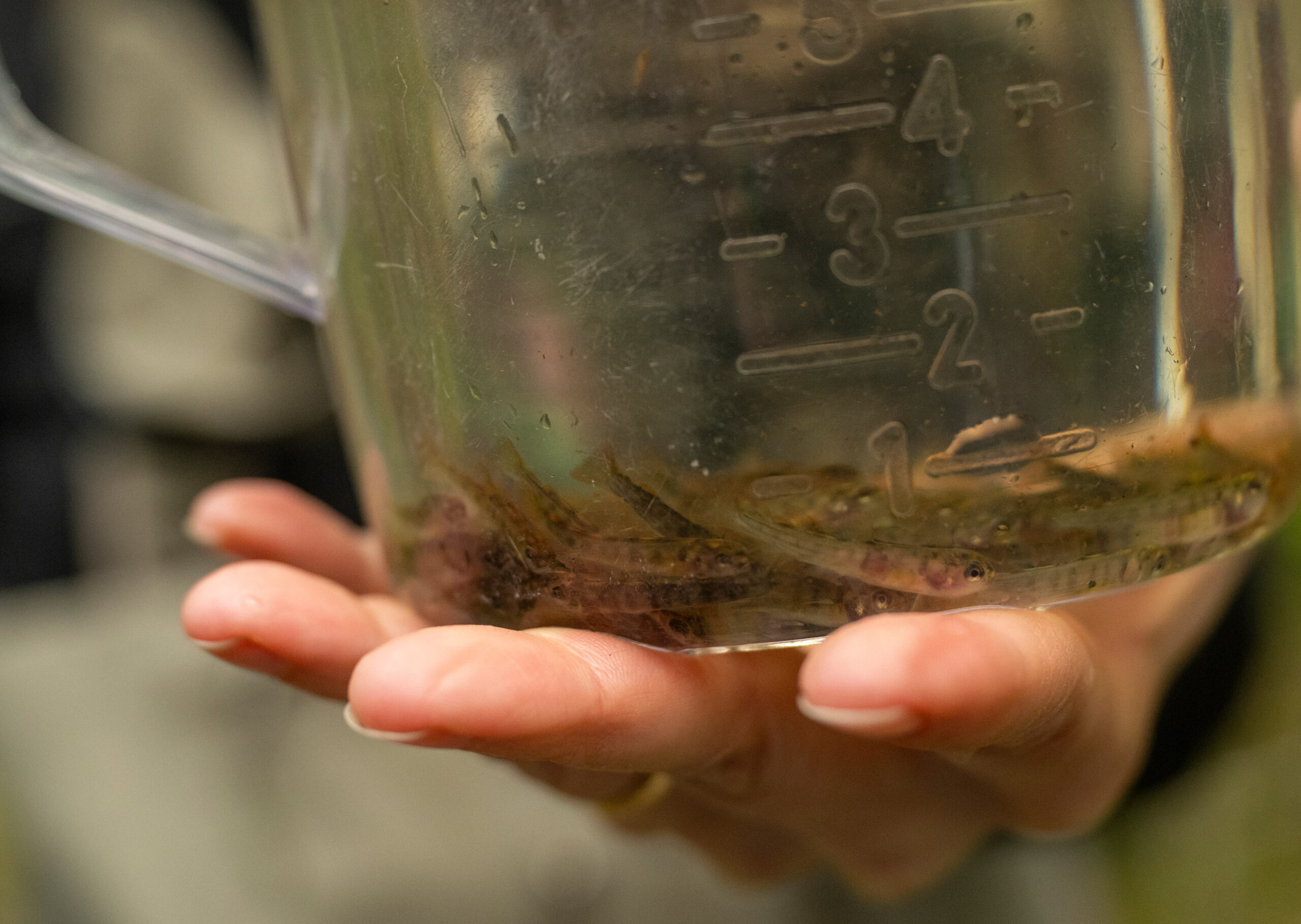
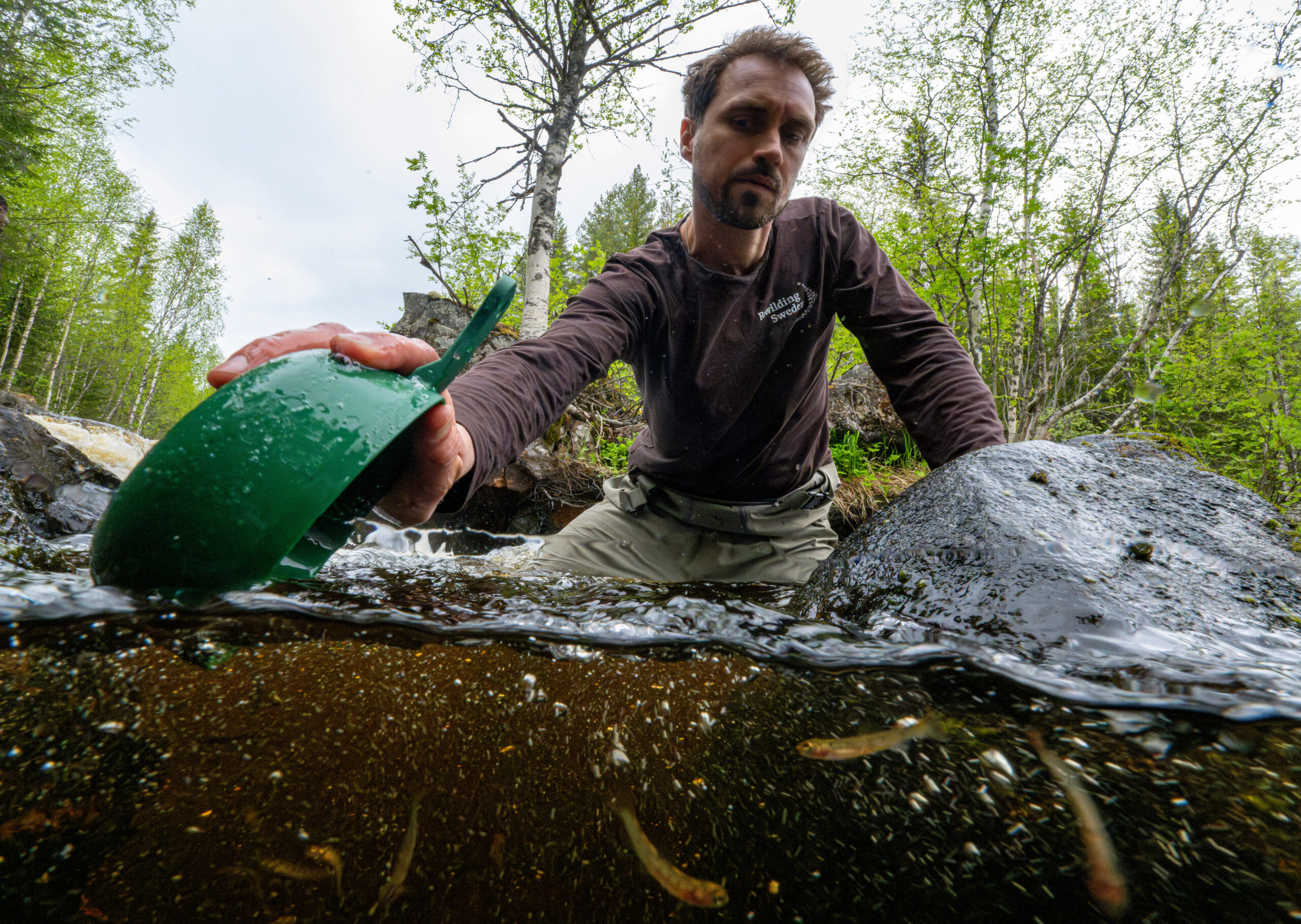
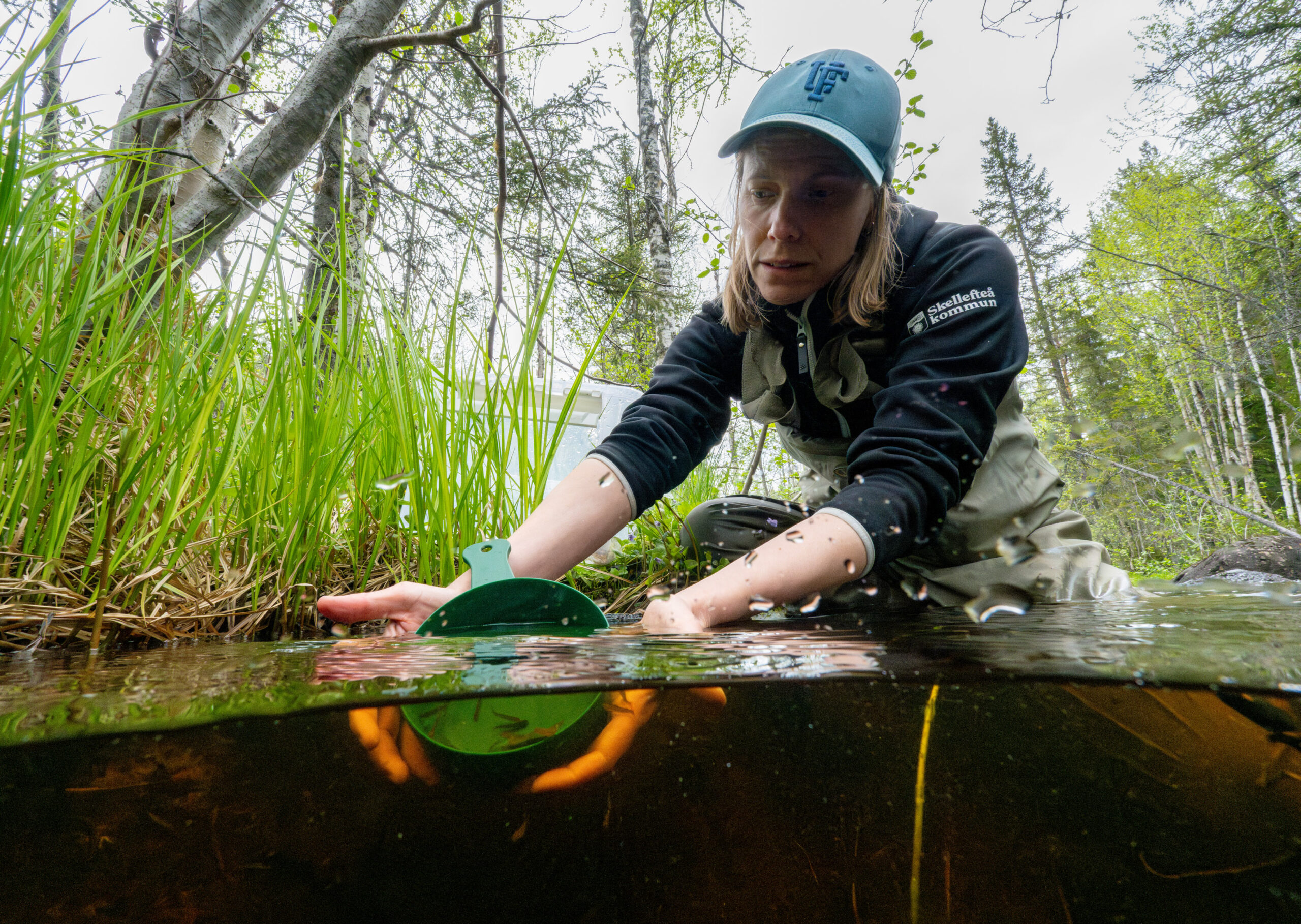
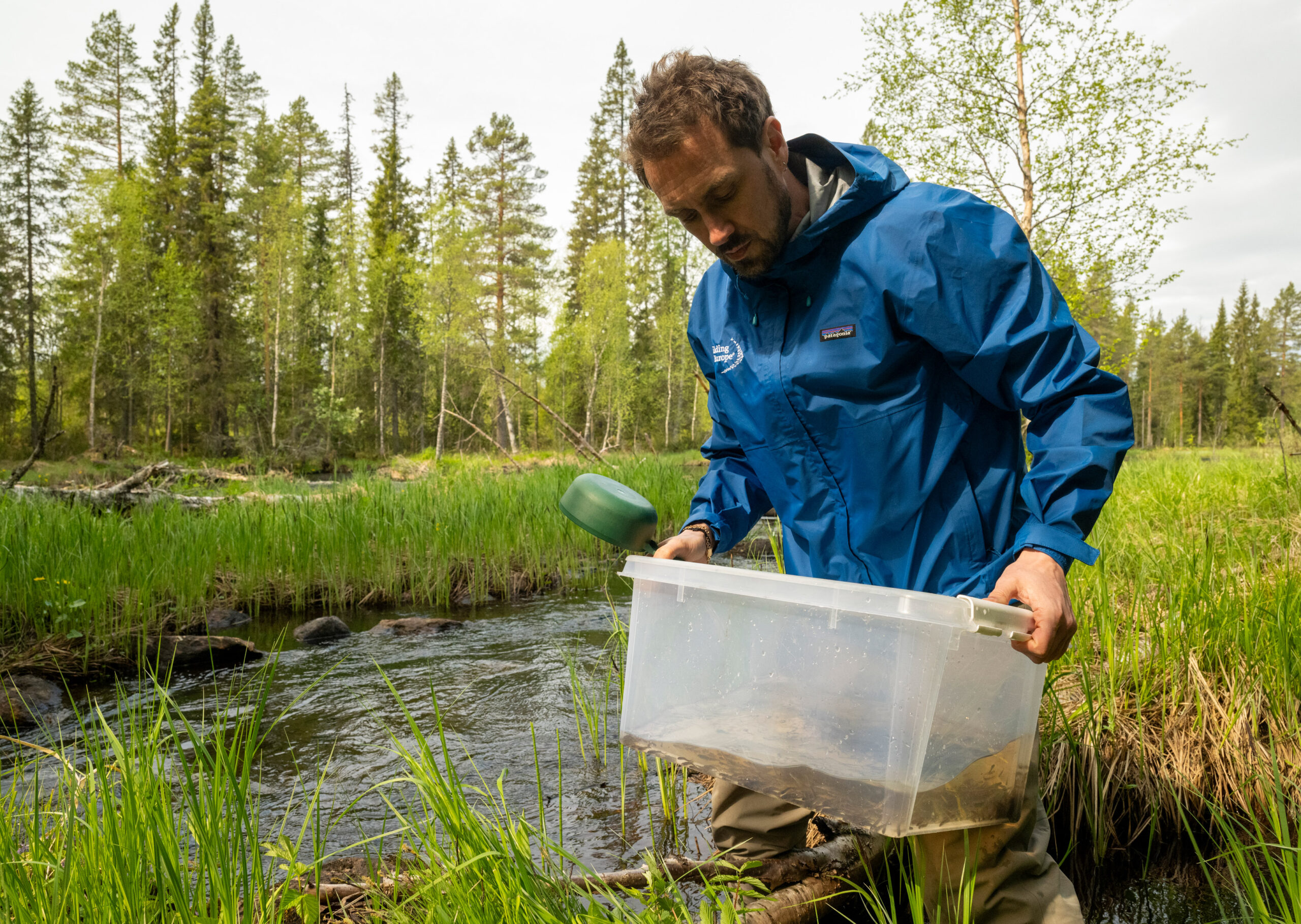
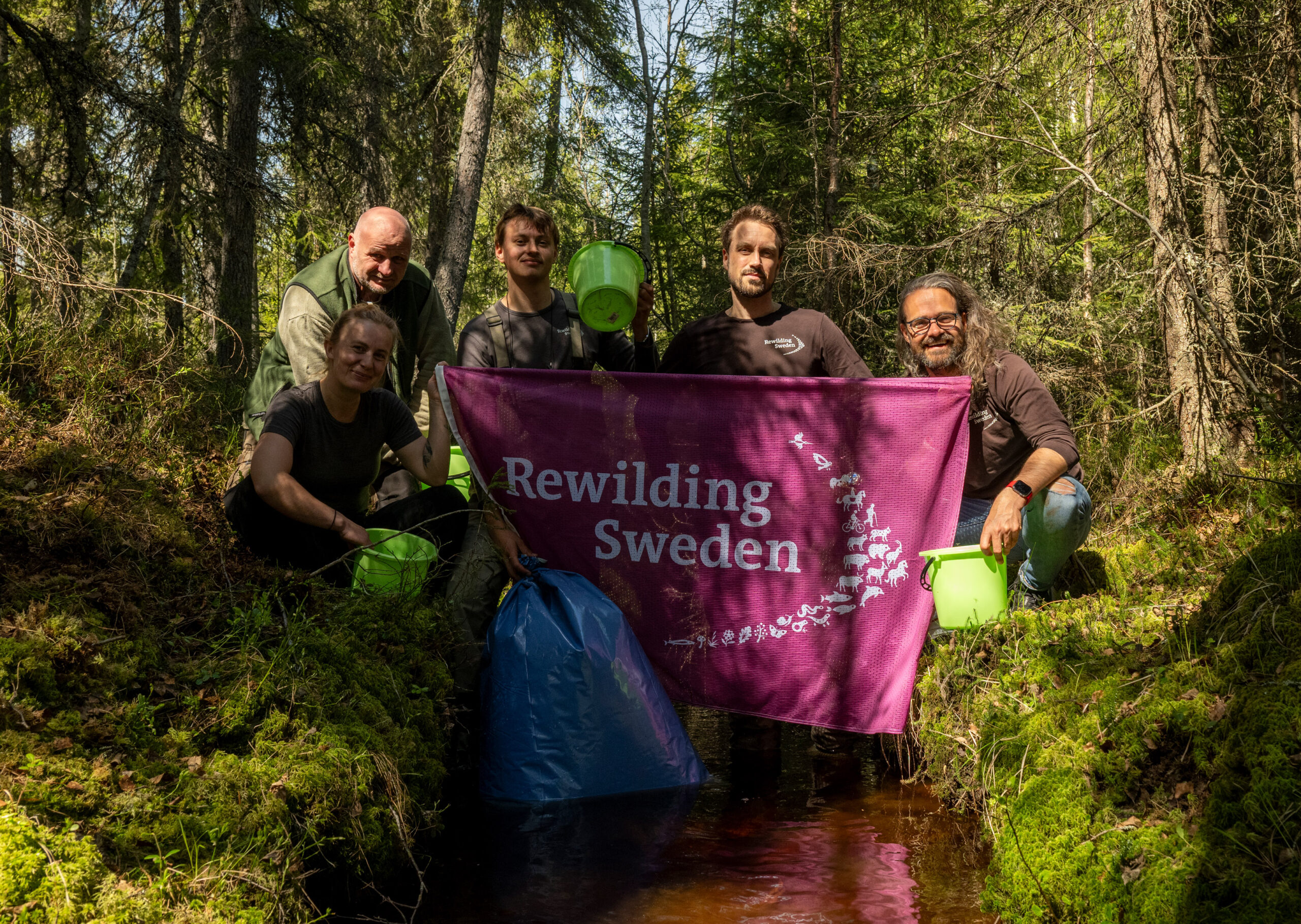
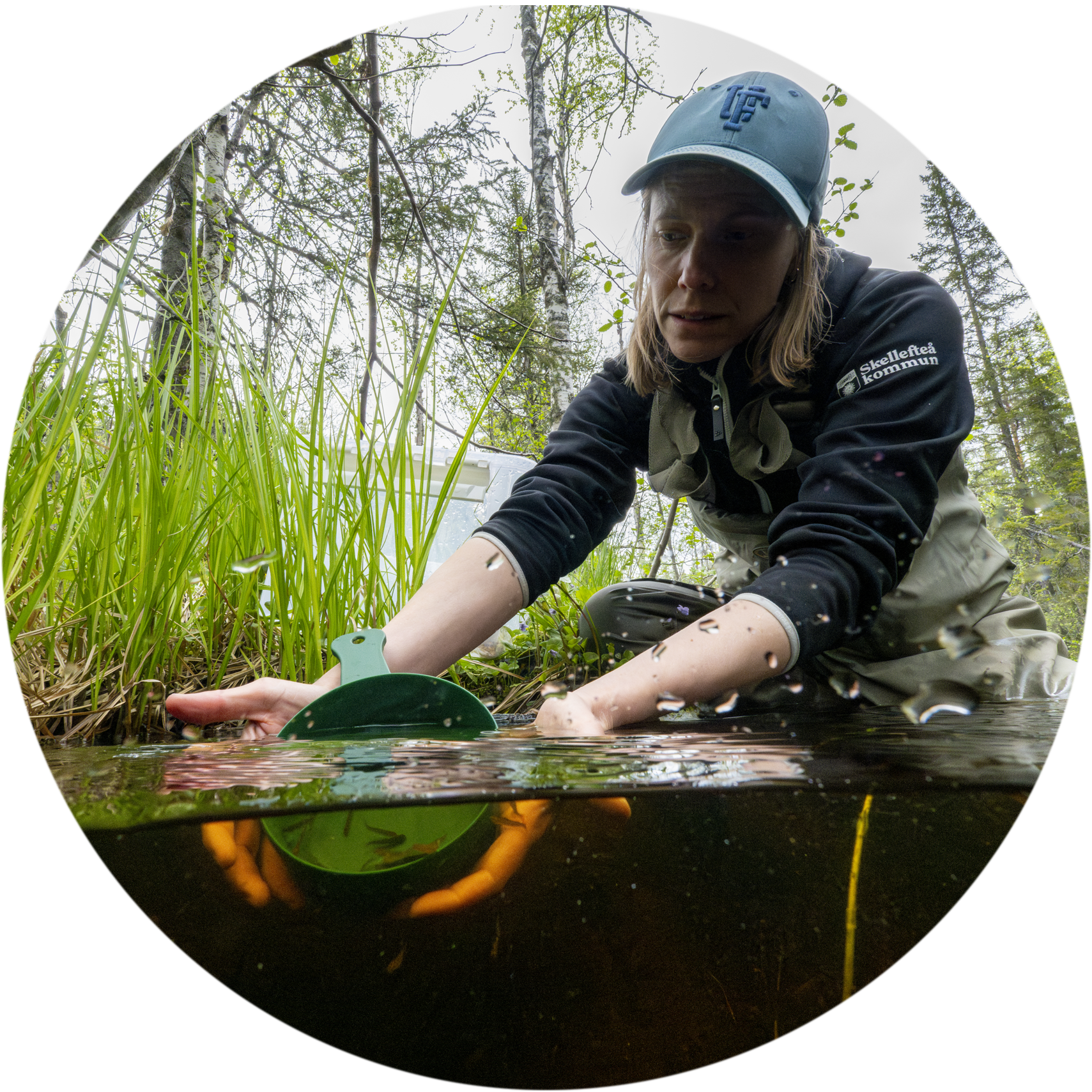
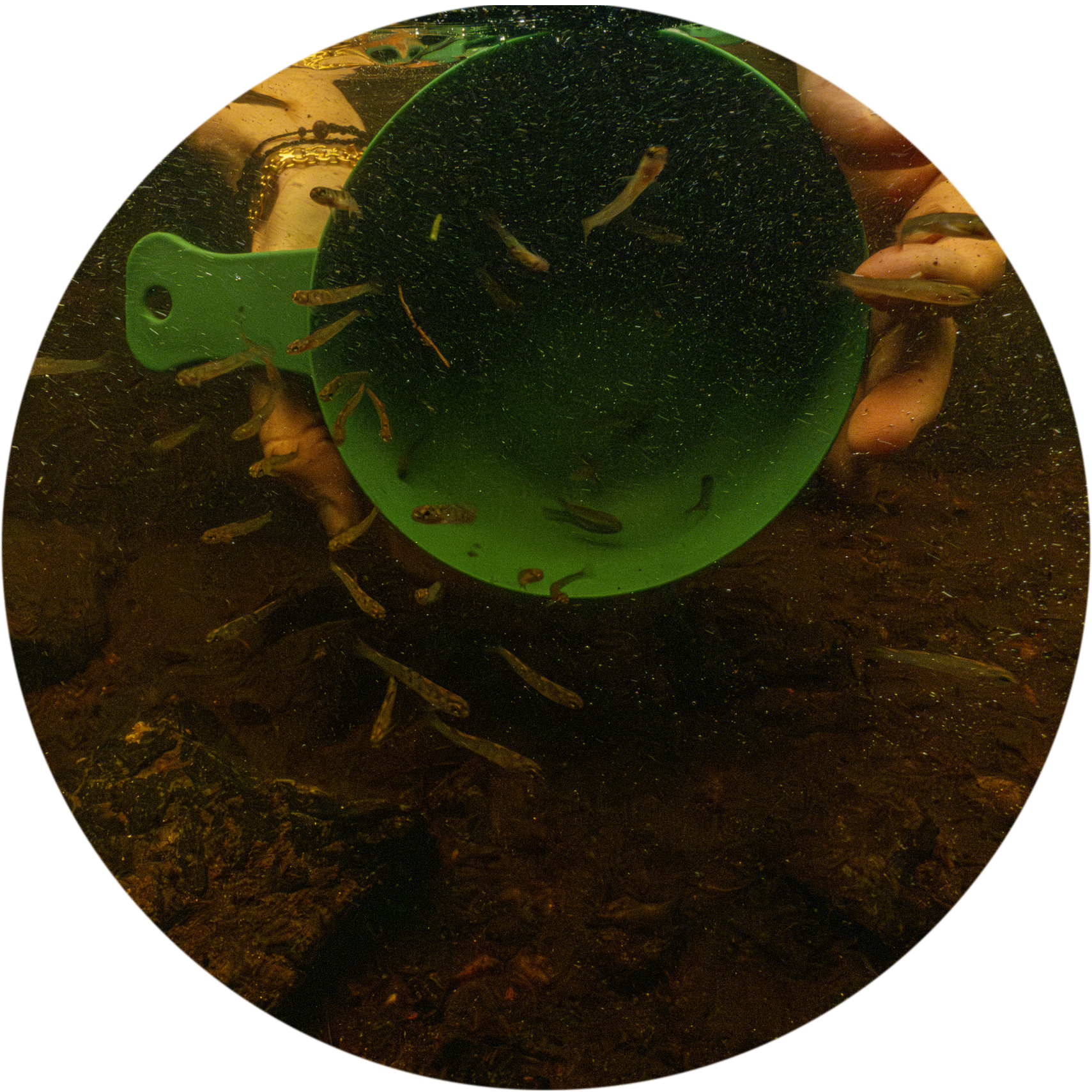
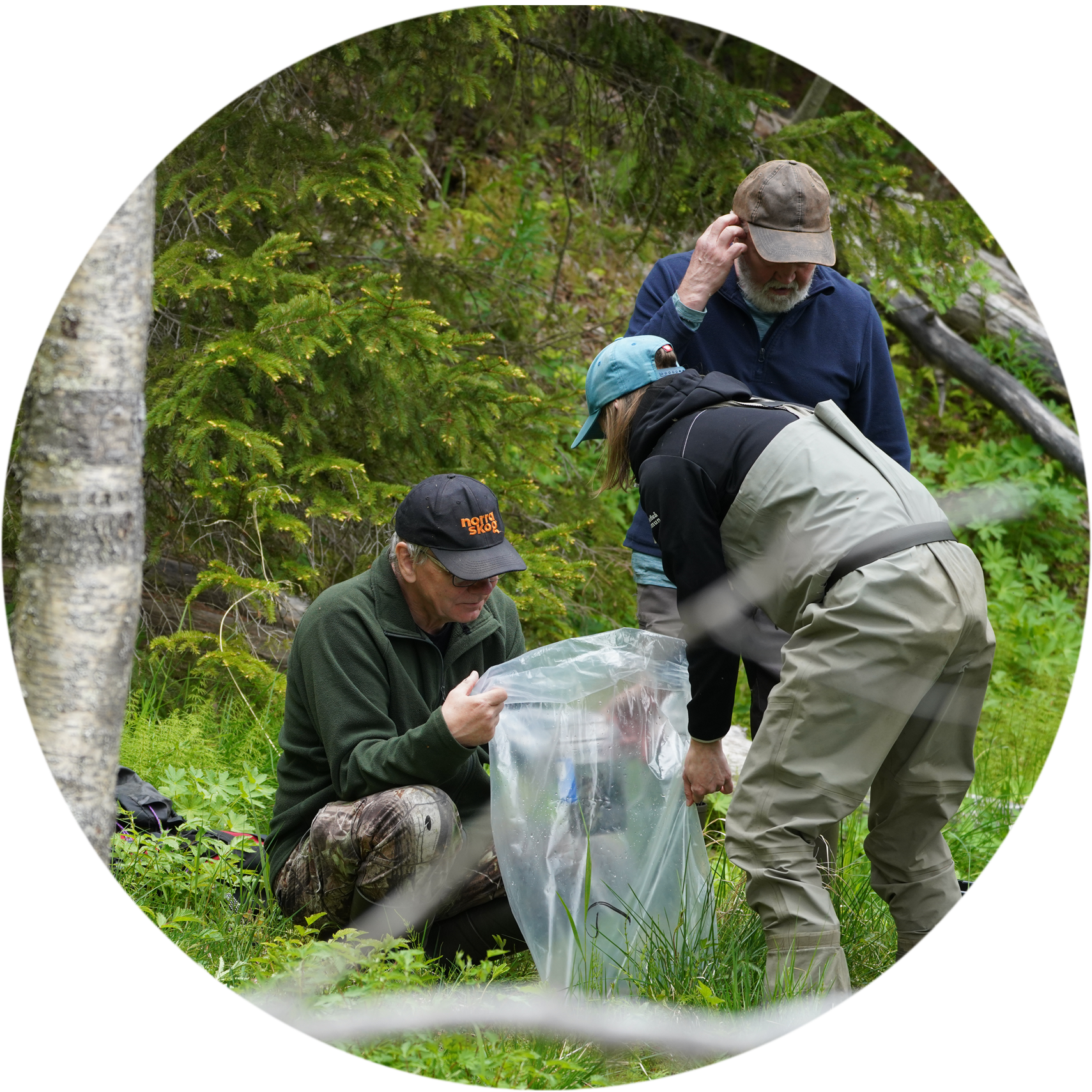
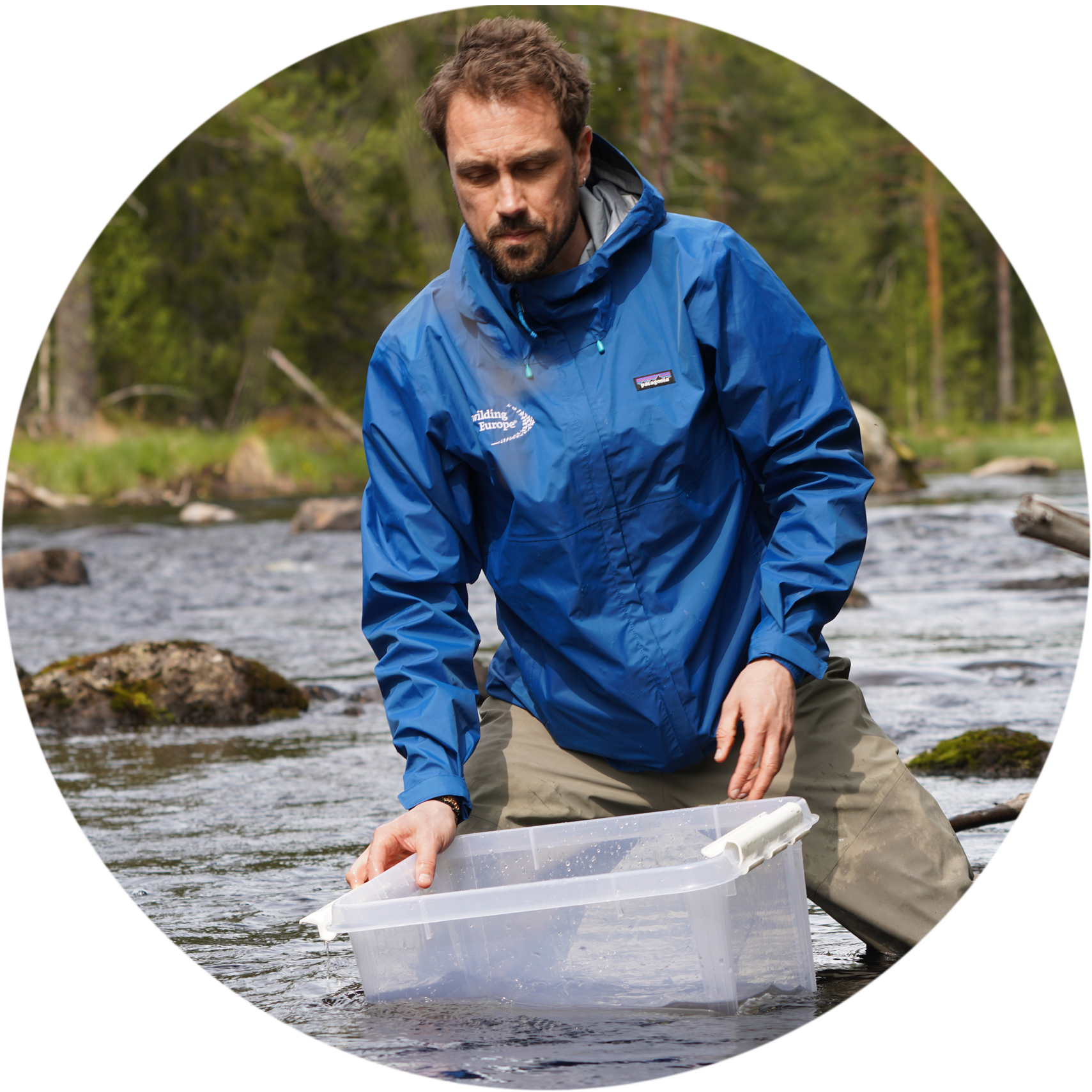
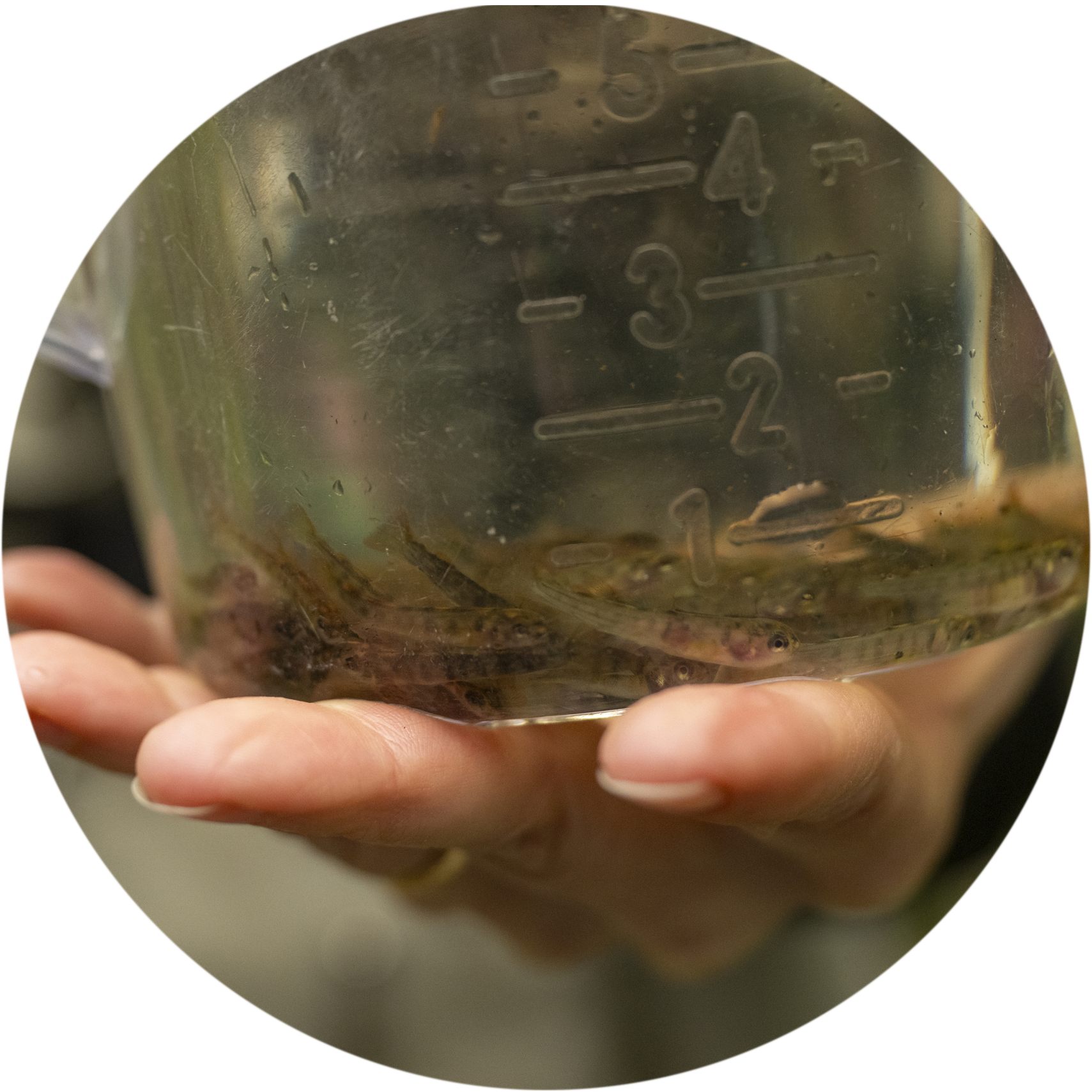
In June 2025, the first fry, originating from local genetic material, were released in the headwaters of the Rickleån River, Risån and Sikån, together with Skellefteå Municipality, which had previously restored the rivers. The same year, similar efforts were carried out together with the Vindel River Fisheries Council in restored stretches of Rödån, a tributary of the Vindel River. The work was followed up in 2026, and in total, more than 200,000 fry have been released in each river system. The goal is to build self-reproducing trout populations that, over time, can spawn naturally and resume their migrations. The measures are also expected to benefit the red-listed freshwater pearl mussel, which depends on young trout during its first life stage. In this way, the reintroduction strengthens not only one species, but important ecological connections throughout the river system.
As recognition of Skellefteå Municipality’s high ambitions and the area’s strong ecological potential, the initiative was awarded a grant of 75,000 euros from Rewilding Europe’s European Wildlife Comeback Fund.
Funding, Skellefteå Municipality: European Wildlife Comeback Fund and membership in the European Rewilding Network Partner organisations: Skellefteå Municipality, Vindel River Fisheries Council