Rödån & Hjuksån

Rivers that bring a wider waterscape to Life

Rödån & Hjuksån

Rivers that bring a wider waterscape to Life

Background and project description

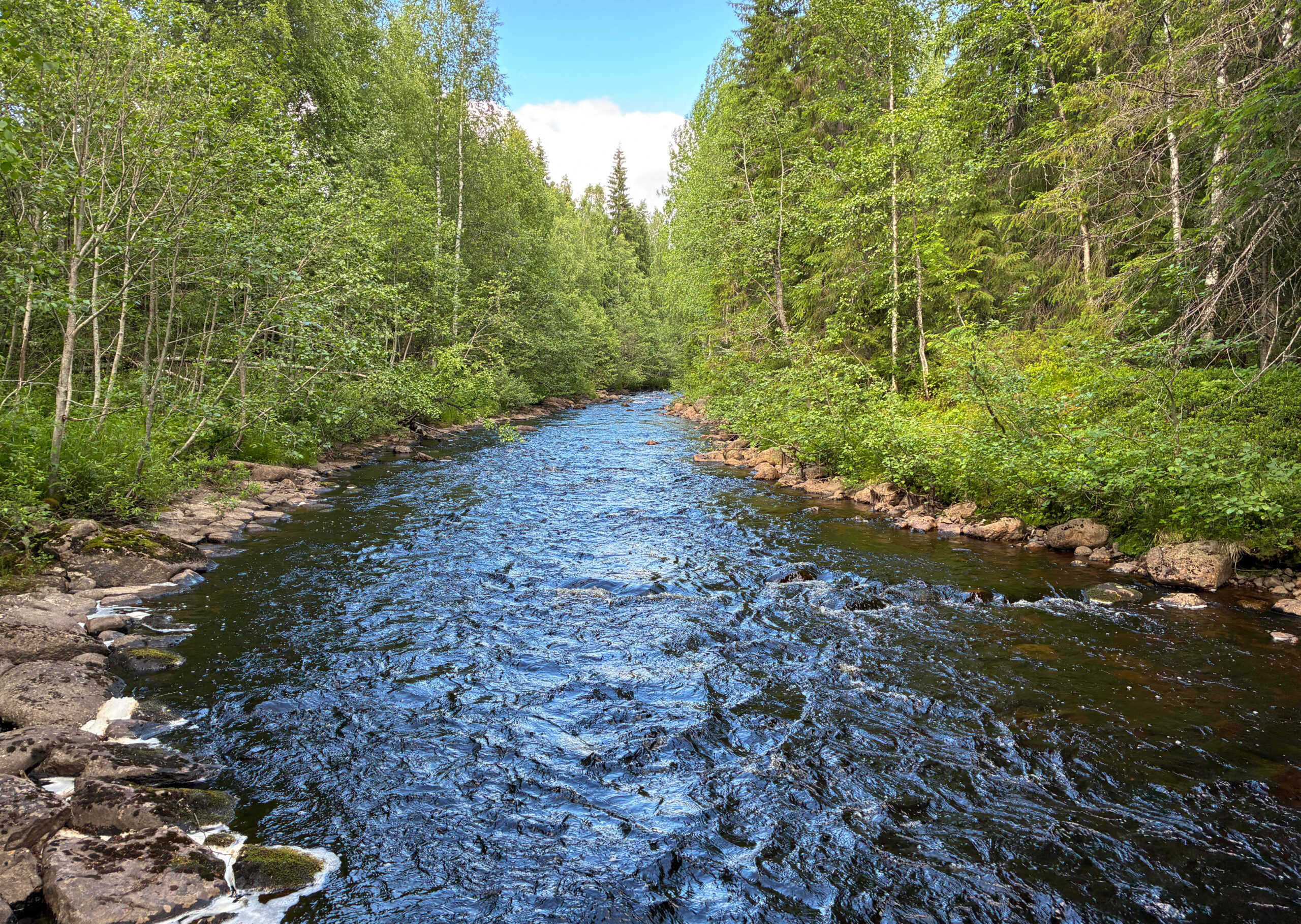
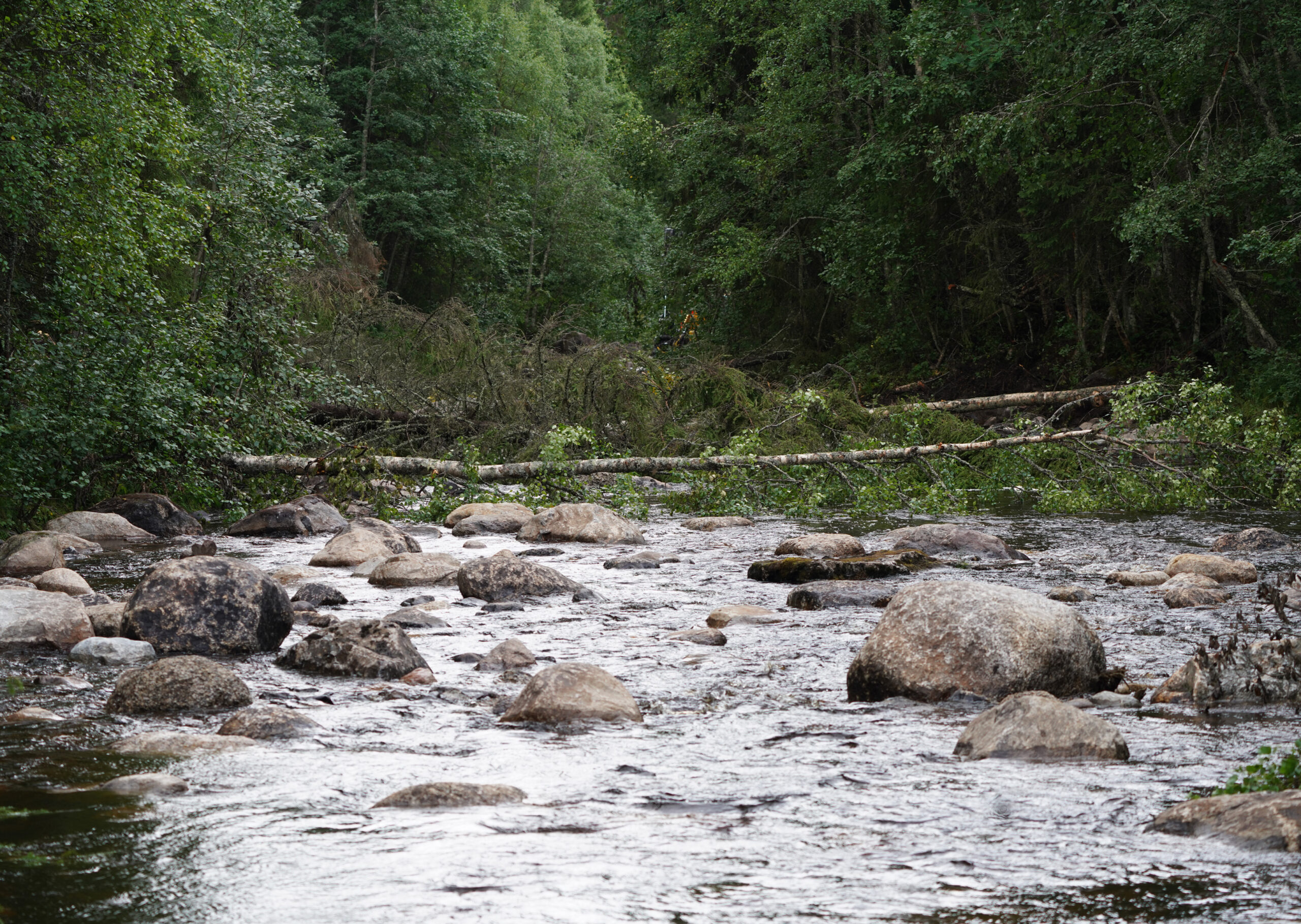
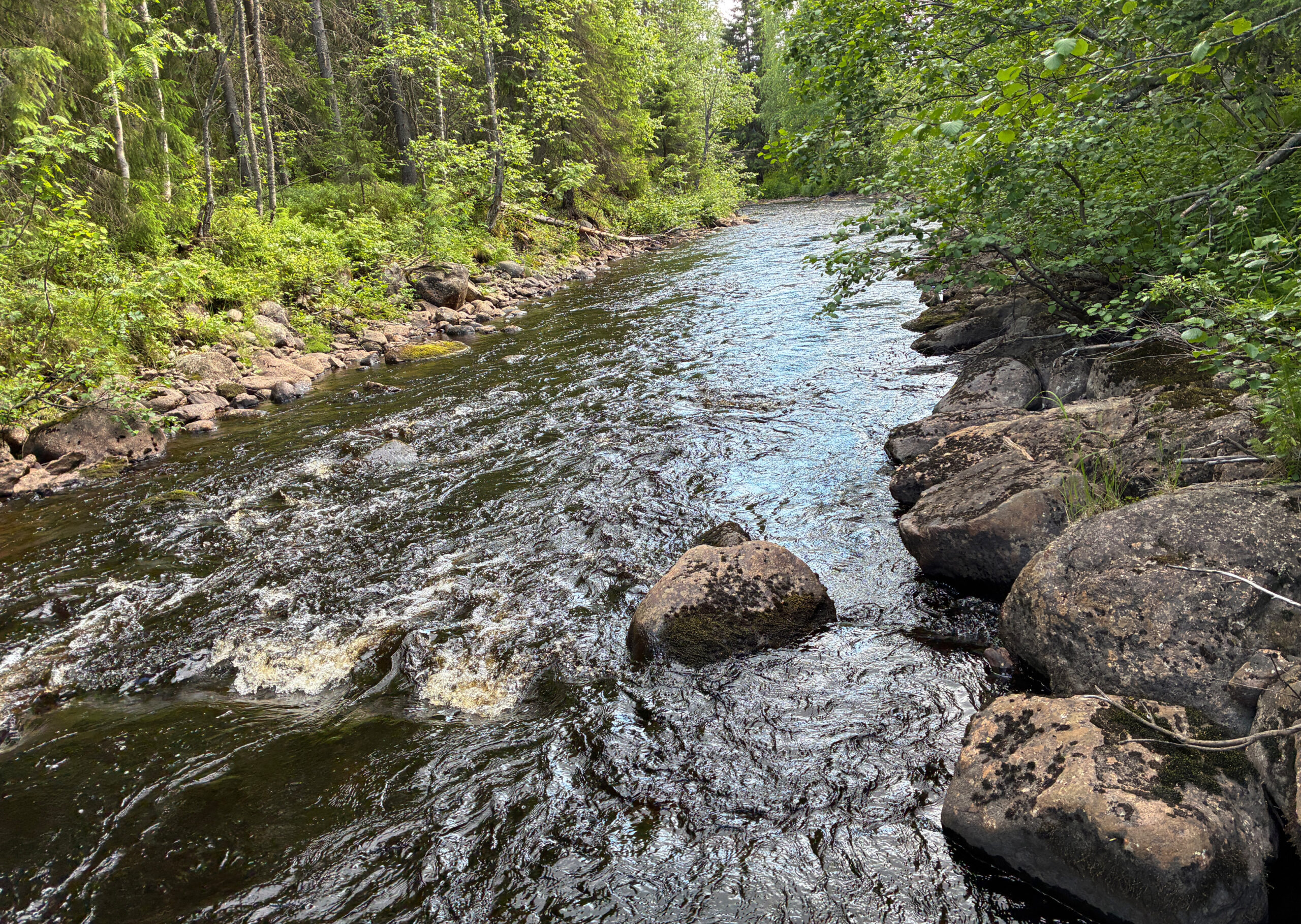
Rödån and Hjuksån are two important tributaries in the Vindel River catchment, one of Sweden’s most valuable river systems. The Vindel River is one of the country’s four national rivers, protected under Natura 2000, and has long been the focus of extensive restoration work. Even so, there are still tributaries where the legacy of the timber-floating era limits the ecological function of the rivers, particularly through cleared streambeds, removed boulders, closed-off side channels, and lost variation in flow, depth, and bed substrate.

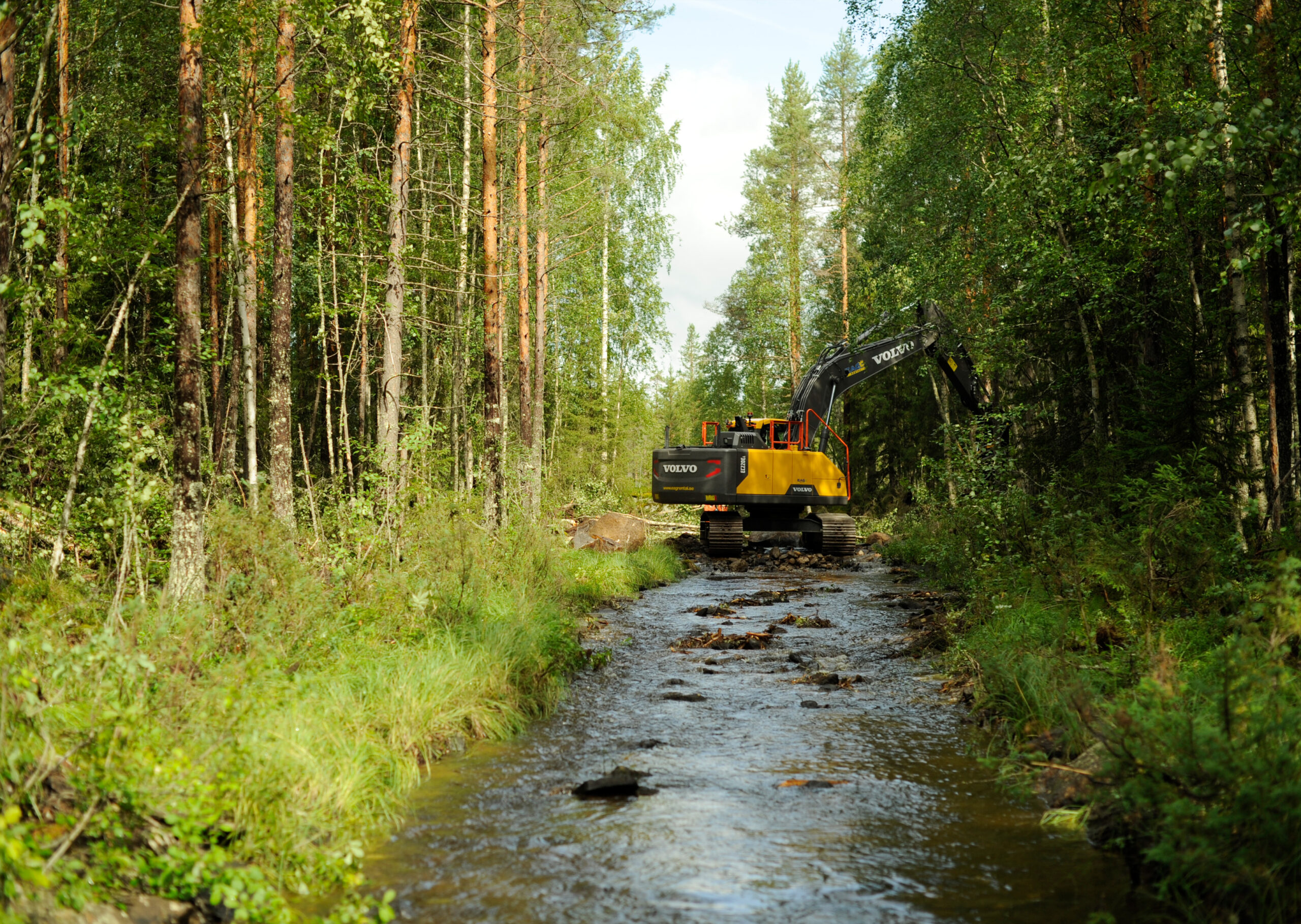
In Rödån and Hjuksån, Rewilding Sweden works long-term to restore the rivers’ natural hydromorphology and strengthen habitats for trout, benthic fauna, and other stream-dwelling species. Rödån has particularly high potential as a trout habitat, but is affected both by remaining timber-floating modifications and by Kvarnsvedjan, an inactive hydropower plant near the river’s outlet into the Vindel River, which forms a complete migration barrier. In Hjuksån, there are clear traces of the timber-floating era’s impact, with cleared stone embankments, blasted sections, and blocked side channels that still limit the river’s dynamics.

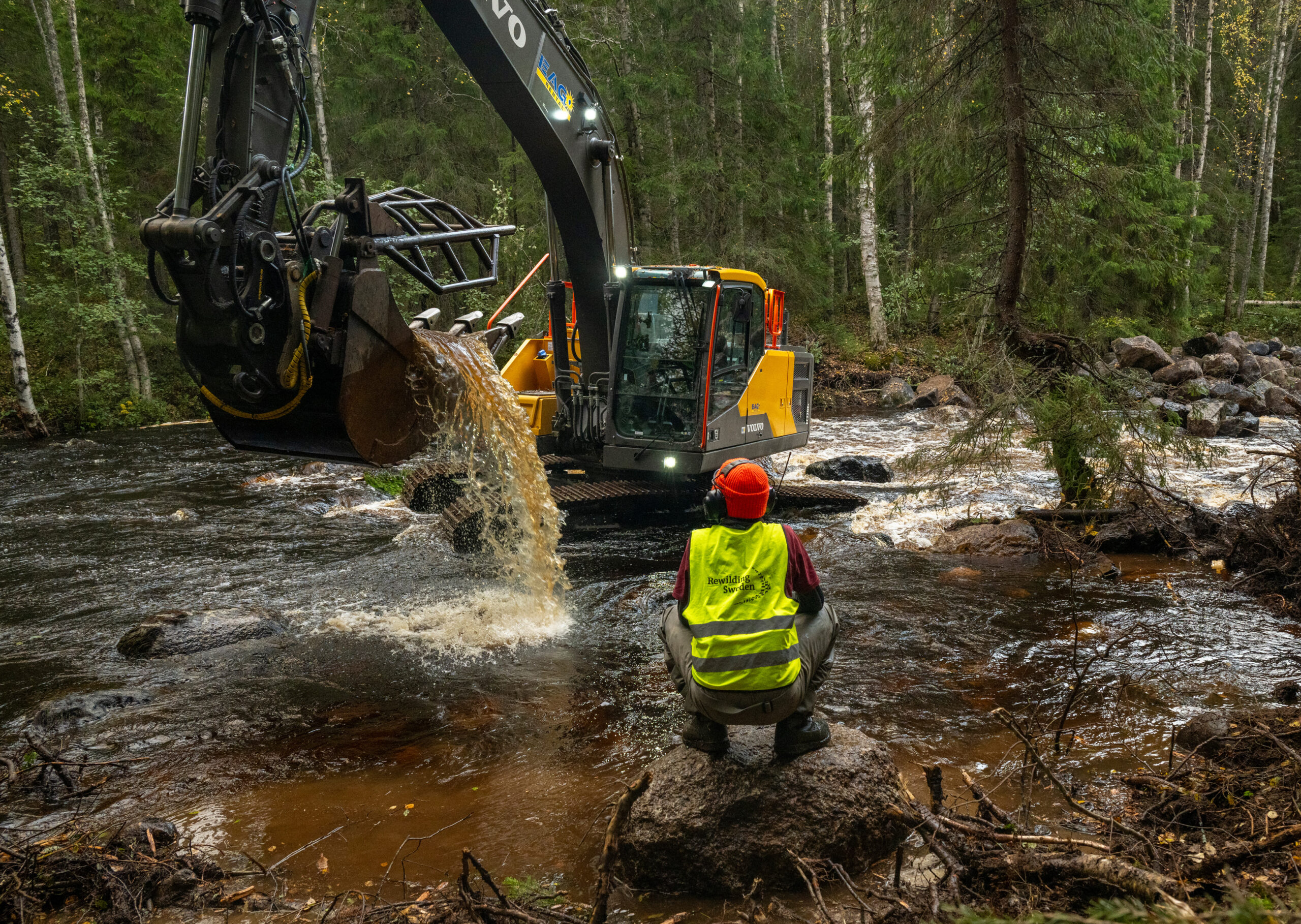
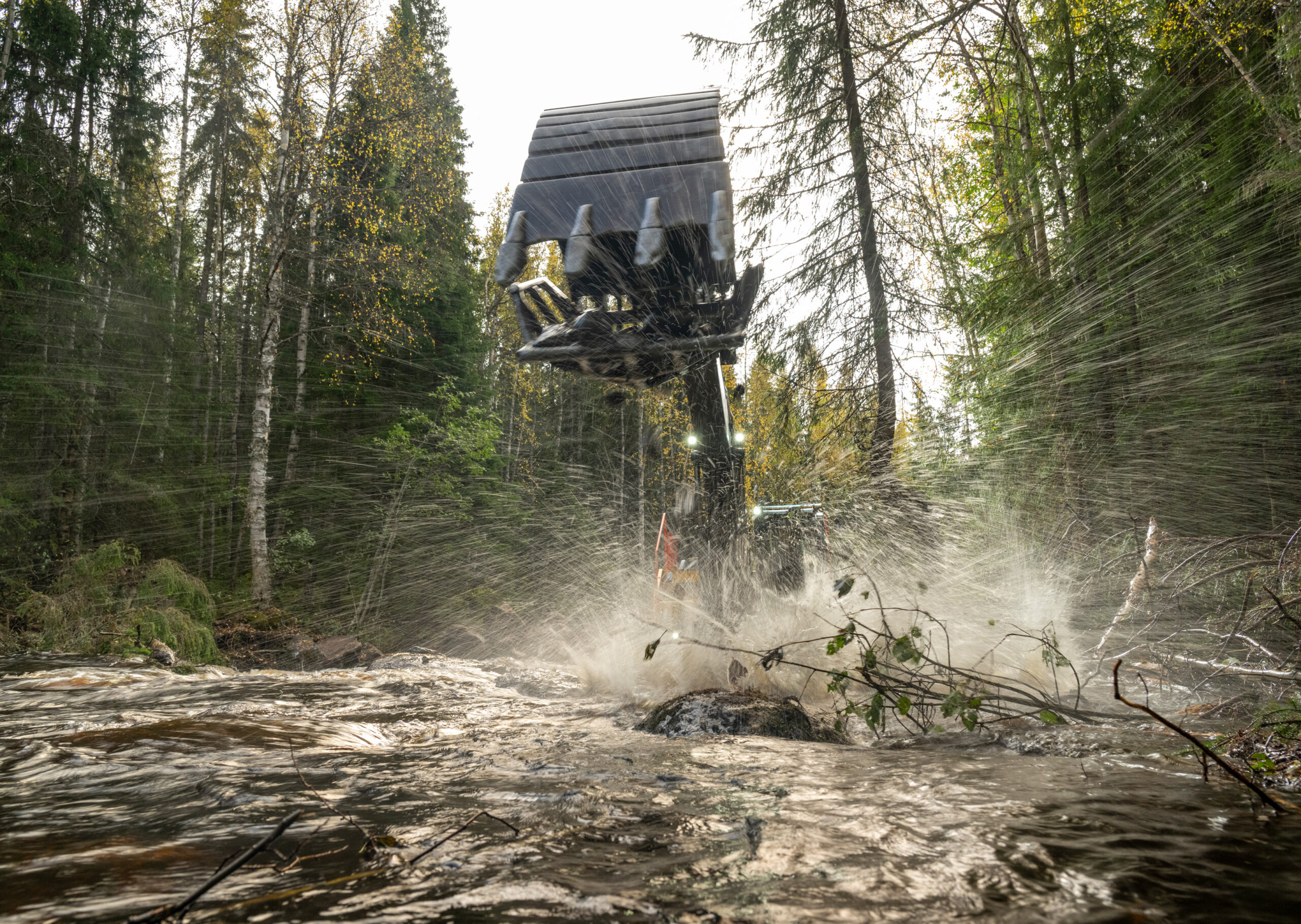
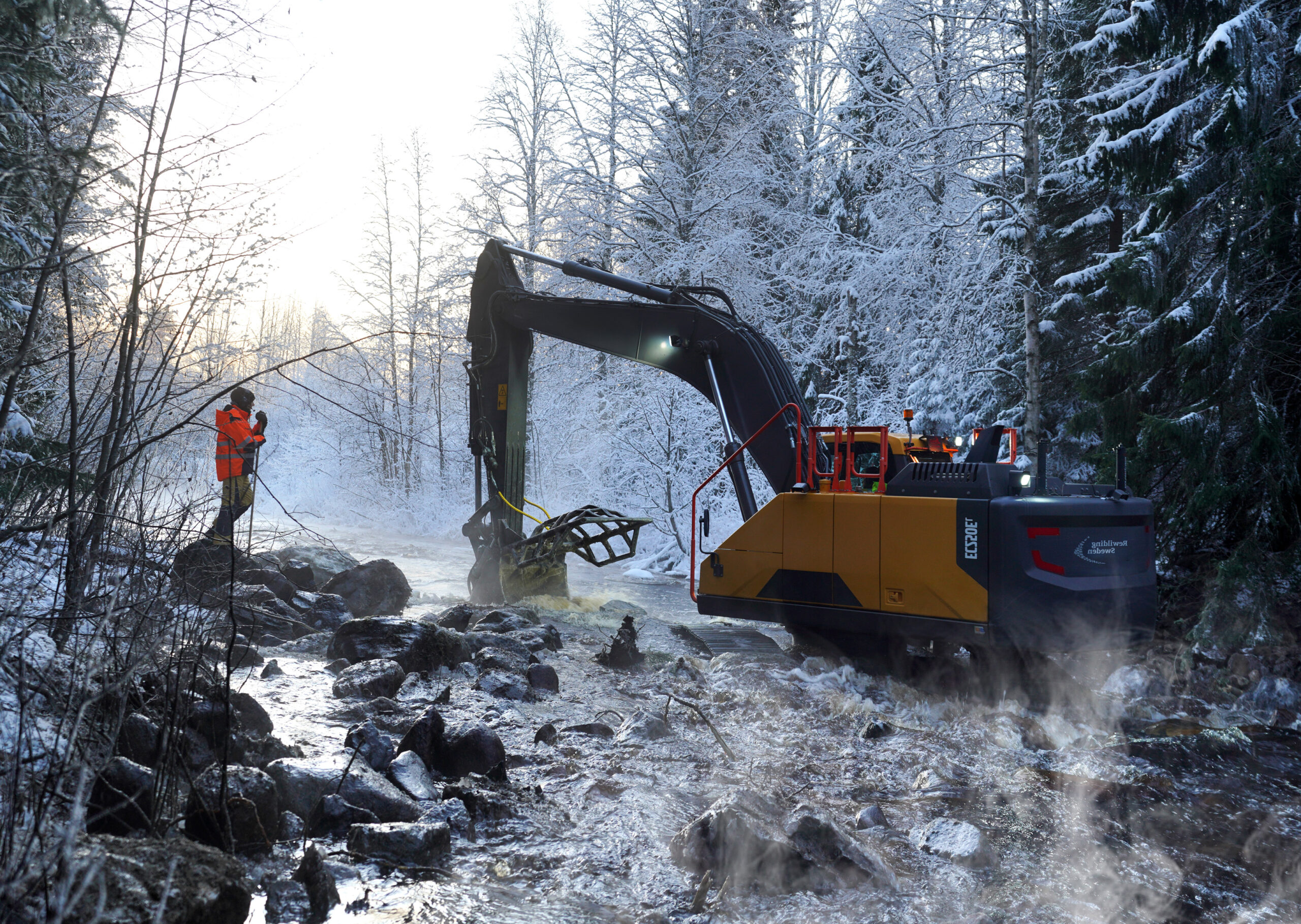
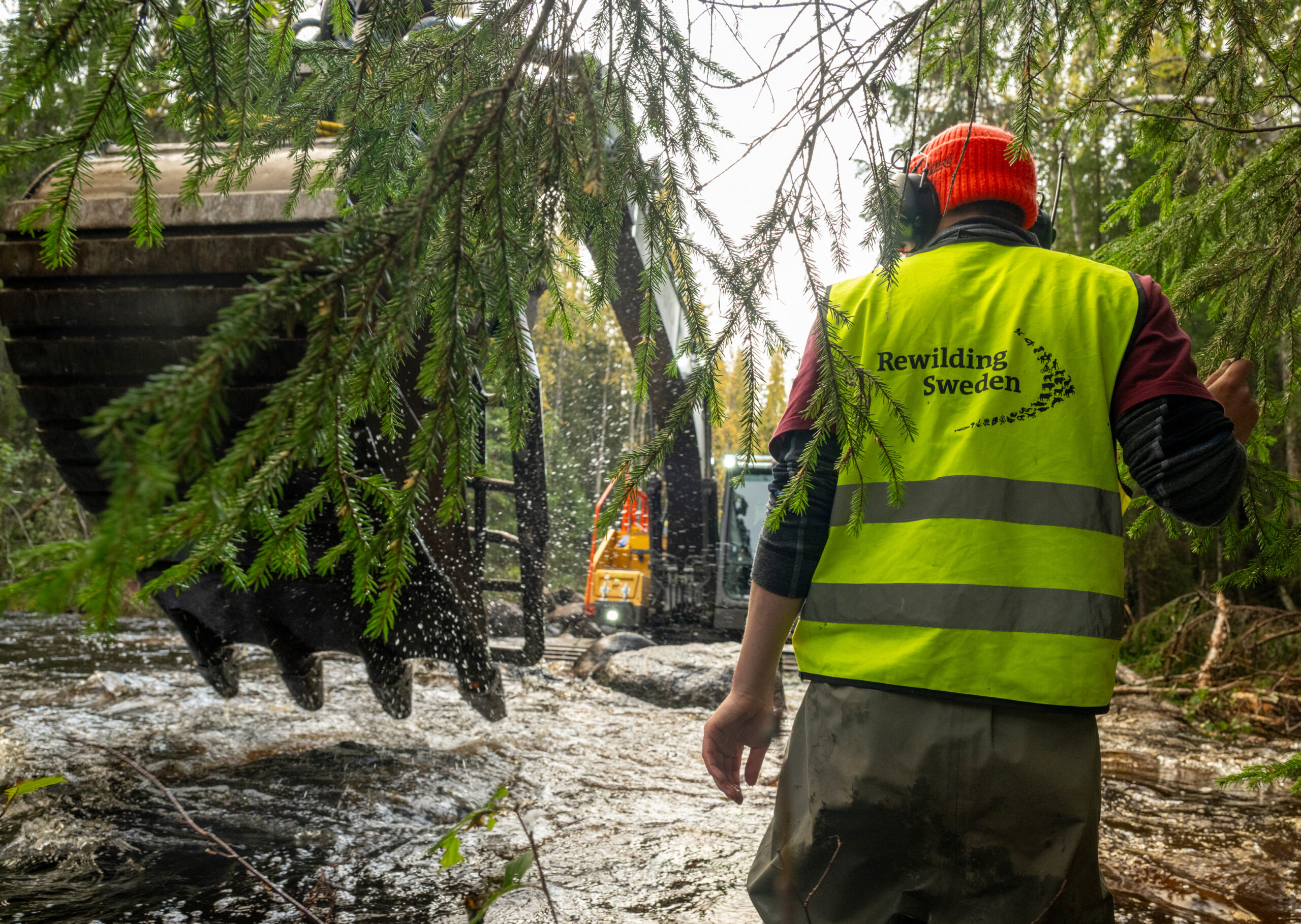
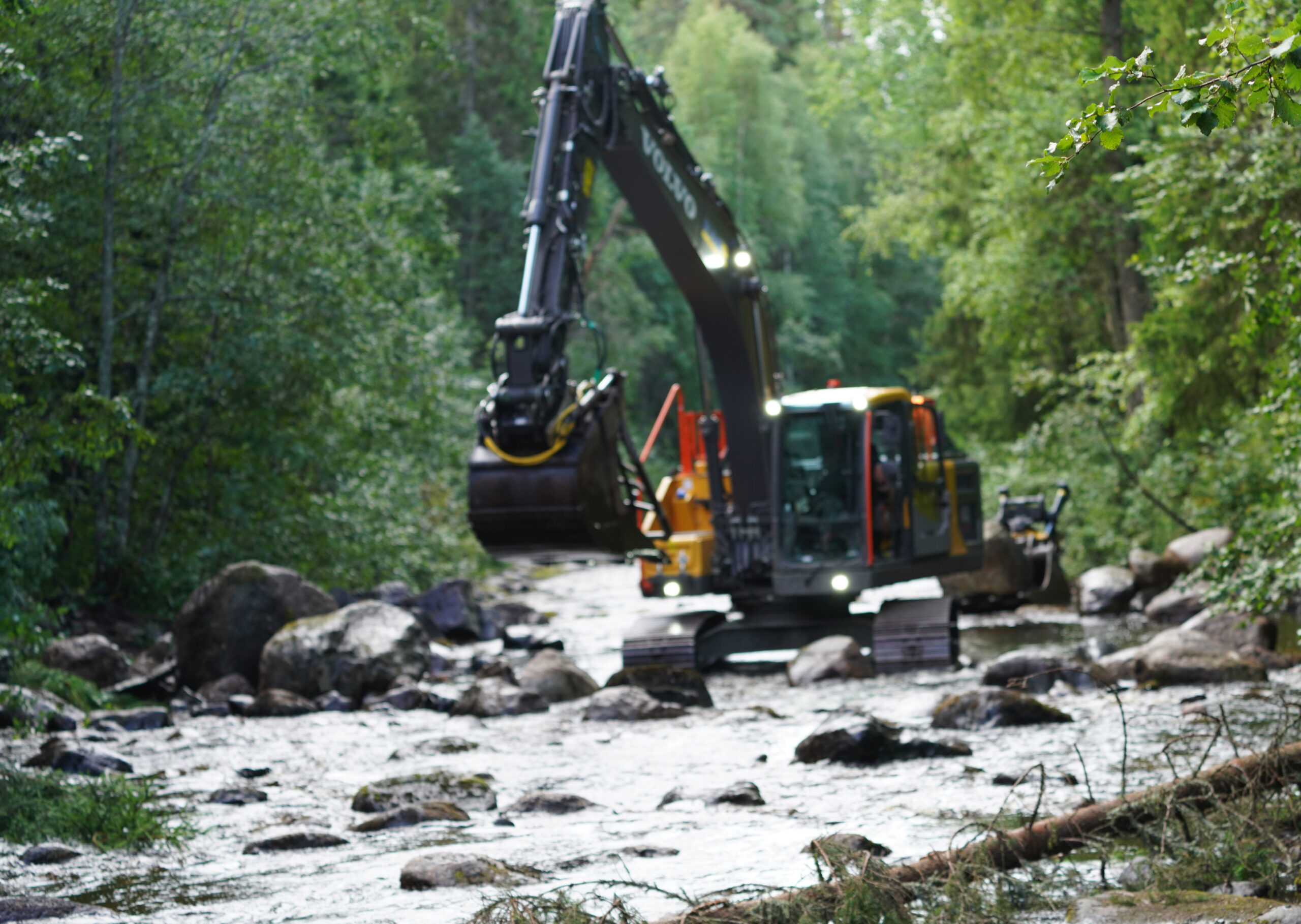
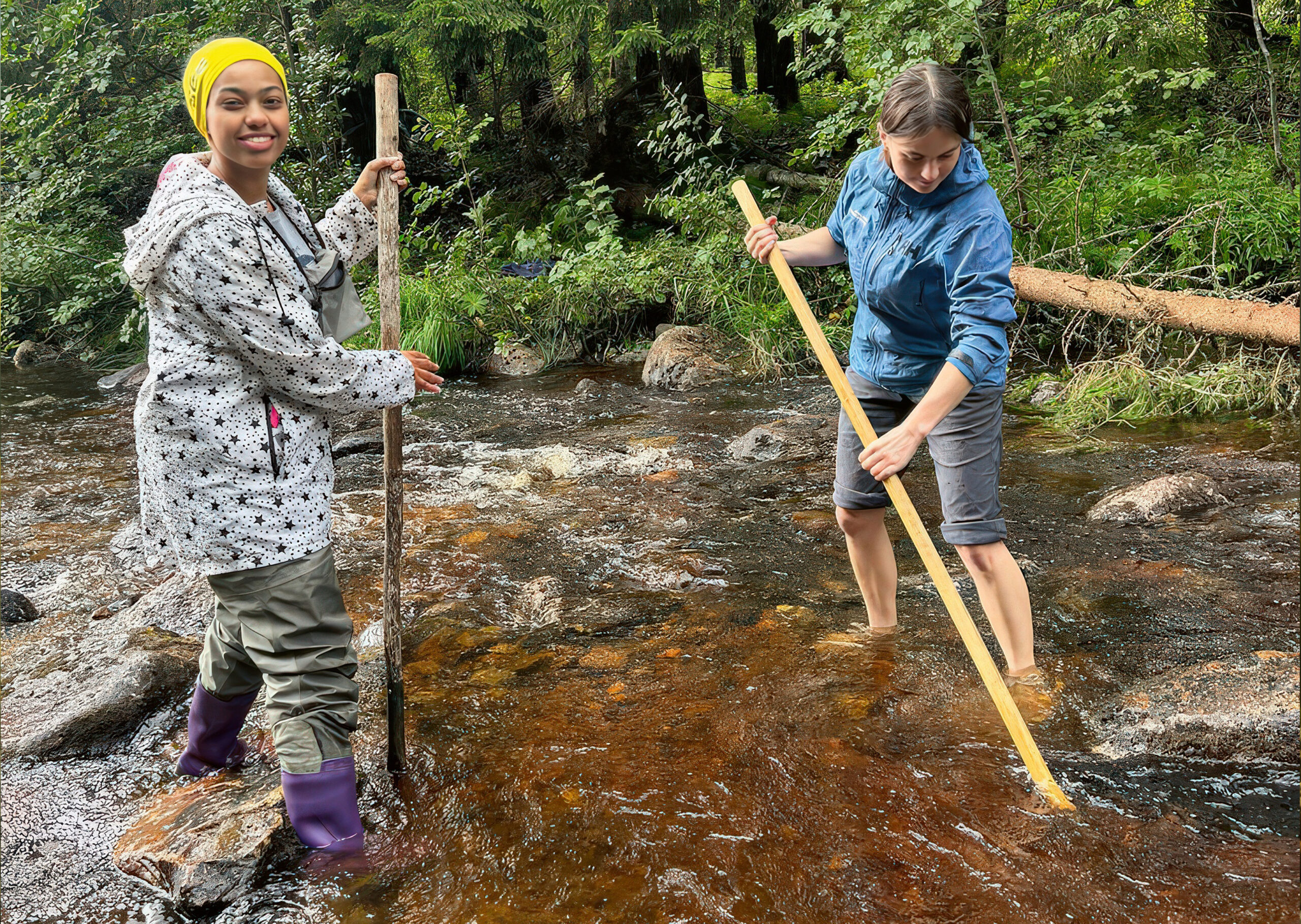
The work is therefore about reconnecting habitats and giving the water a better opportunity to shape the landscape again. By returning stones, boulders, gravel, and dead wood, opening side channels, restoring spawning grounds, and assessing remaining migration barriers, we create better conditions for ecological recovery across the whole catchment. At the same time, within Nature for People, we work with rewilding camps, local participation, and dialogue that involve people in the landscape. Together with local actors, landowners, fisheries conservation interests, the Västerbotten County Administrative Board, and the Vindel River Fisheries Council, this work helps make the Vindel River’s tributaries wilder, healthier, and more self-sustaining.

Funding: LOVA Swedish Agency for Marine and Water Management, Västerbotten County Administrative Board
Partner organisations: Västerbotten County Administrative Board, Vindel River Fisheries Council, Rödåbygden Fisheries Conservation Area
Prerequisites and rewilding approach

The challenge

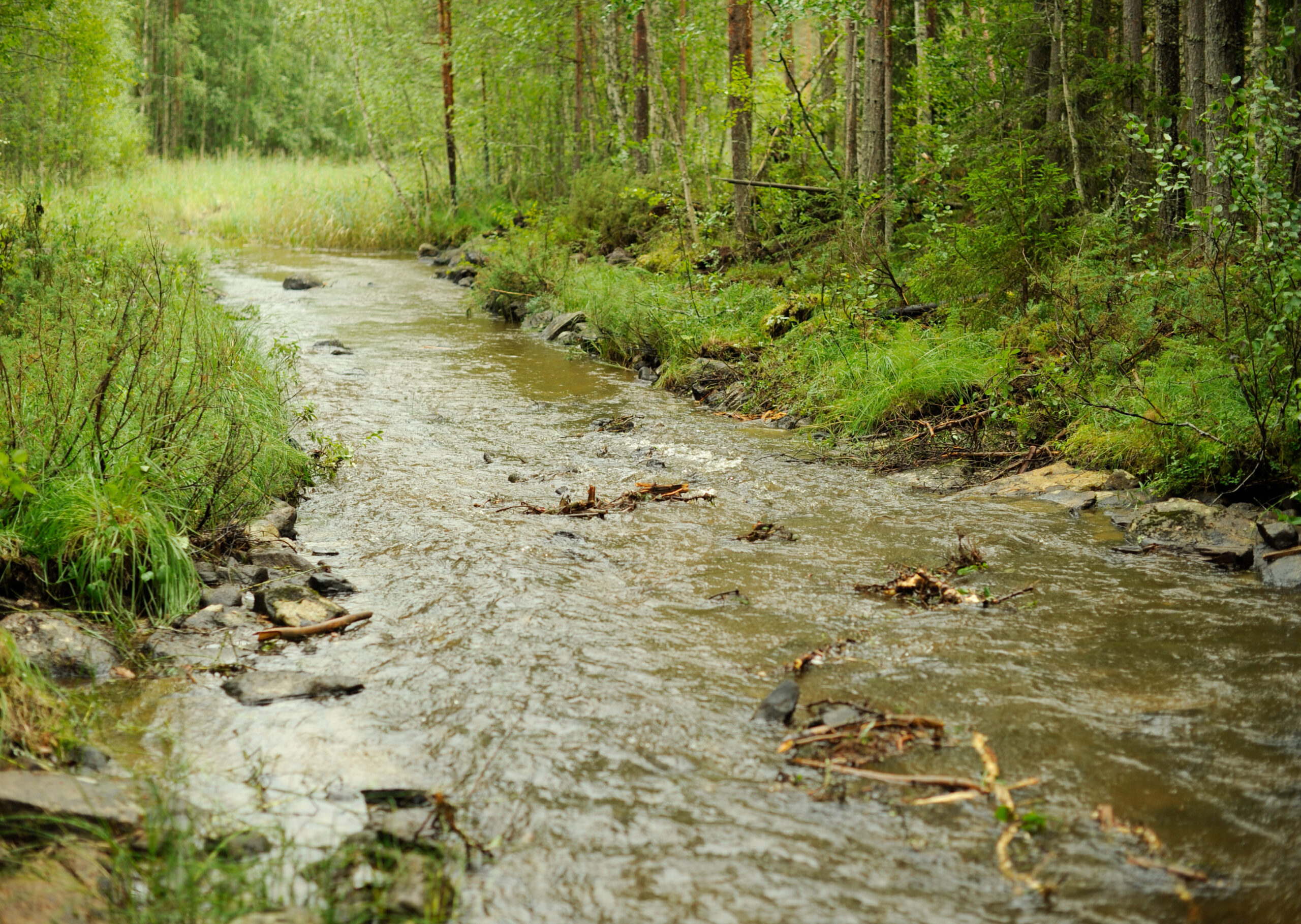
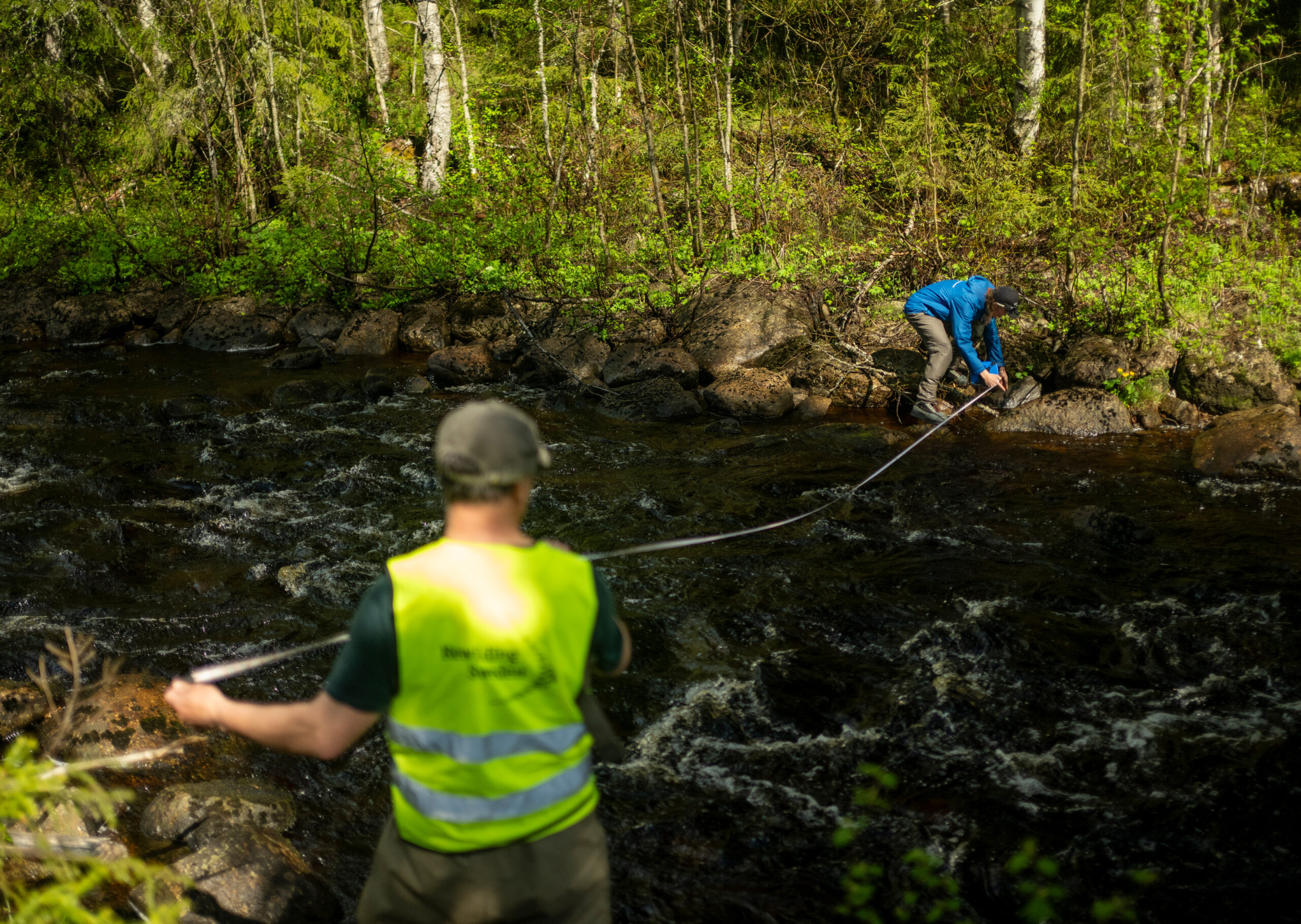
During the timber-floating era, many of northern Sweden’s rivers were modified so that timber could be transported quickly and efficiently towards the coast. In Rödån and Hjuksån, this meant that stones and boulders were removed, channels were straightened and narrowed, side channels were closed off, and natural structures disappeared. Several old cleared embankments, blasted sections, and blocked side channels remain, limiting the rivers’ natural dynamics. The result has been faster, shallower, and more structurally poor aquatic environments, where variation in depth, flow velocity, and bed substrate has been greatly reduced. These interventions degraded habitats for trout, benthic fauna, and other aquatic organisms, while weakening the connection between the water, riparian zone, and surrounding floodplains. In Rödån, there is also the issue of the Kvarnsvedjan dam, an inactive hydropower plant near the river’s outlet into the Vindel River that forms a complete migration barrier and limits fish access to valuable habitats upstream.

The solution

Phase 1: Restoring structural complexity

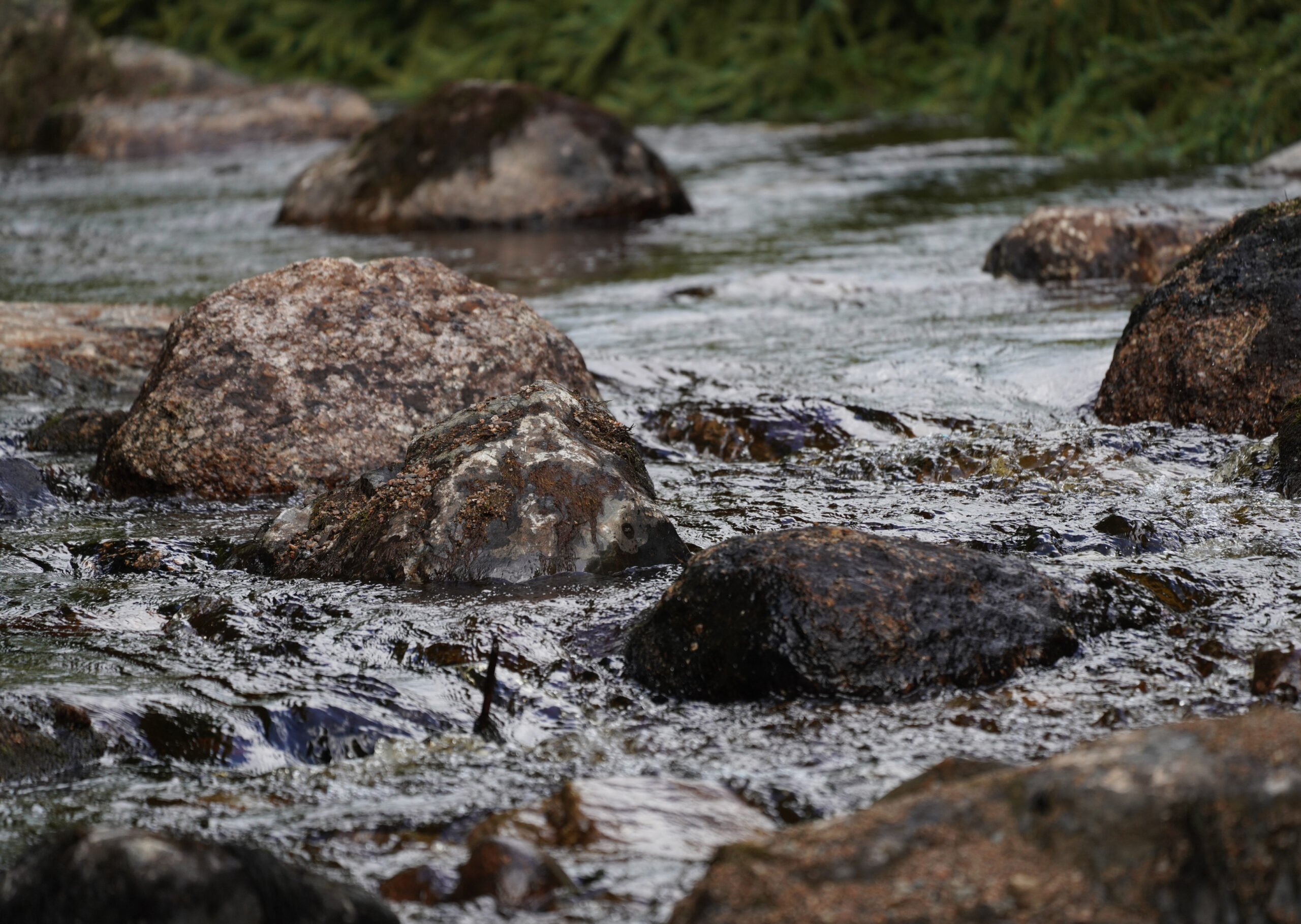
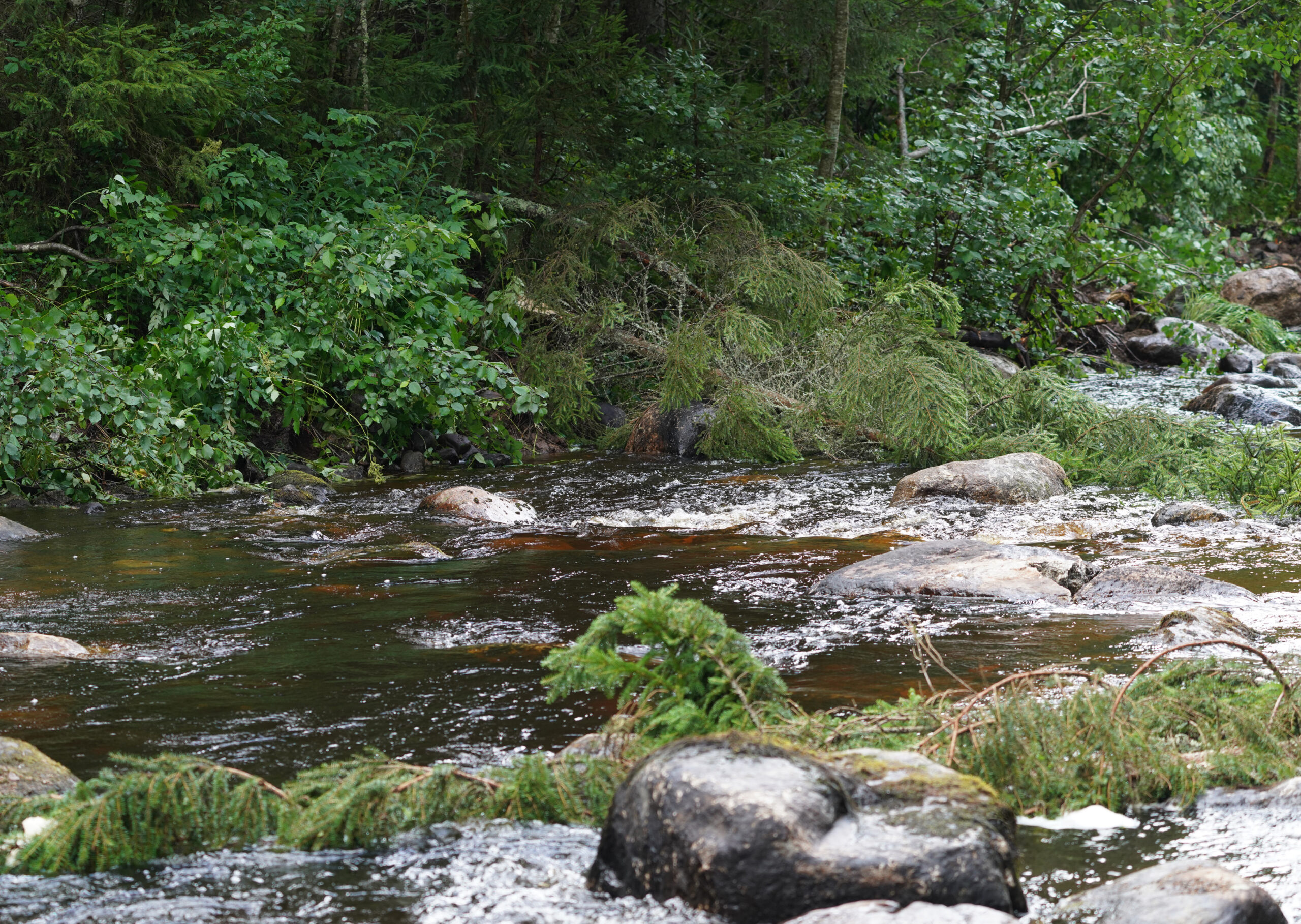
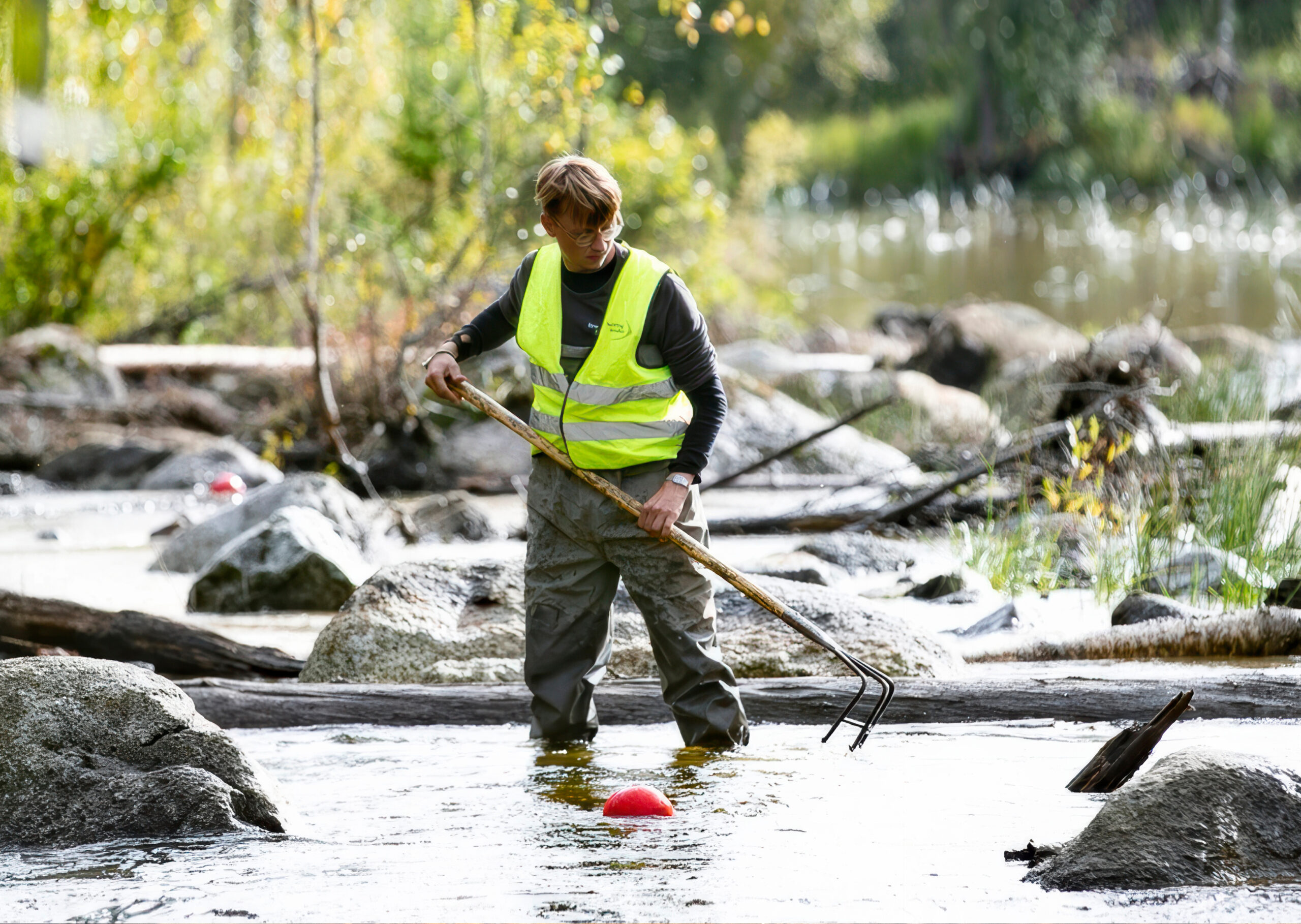
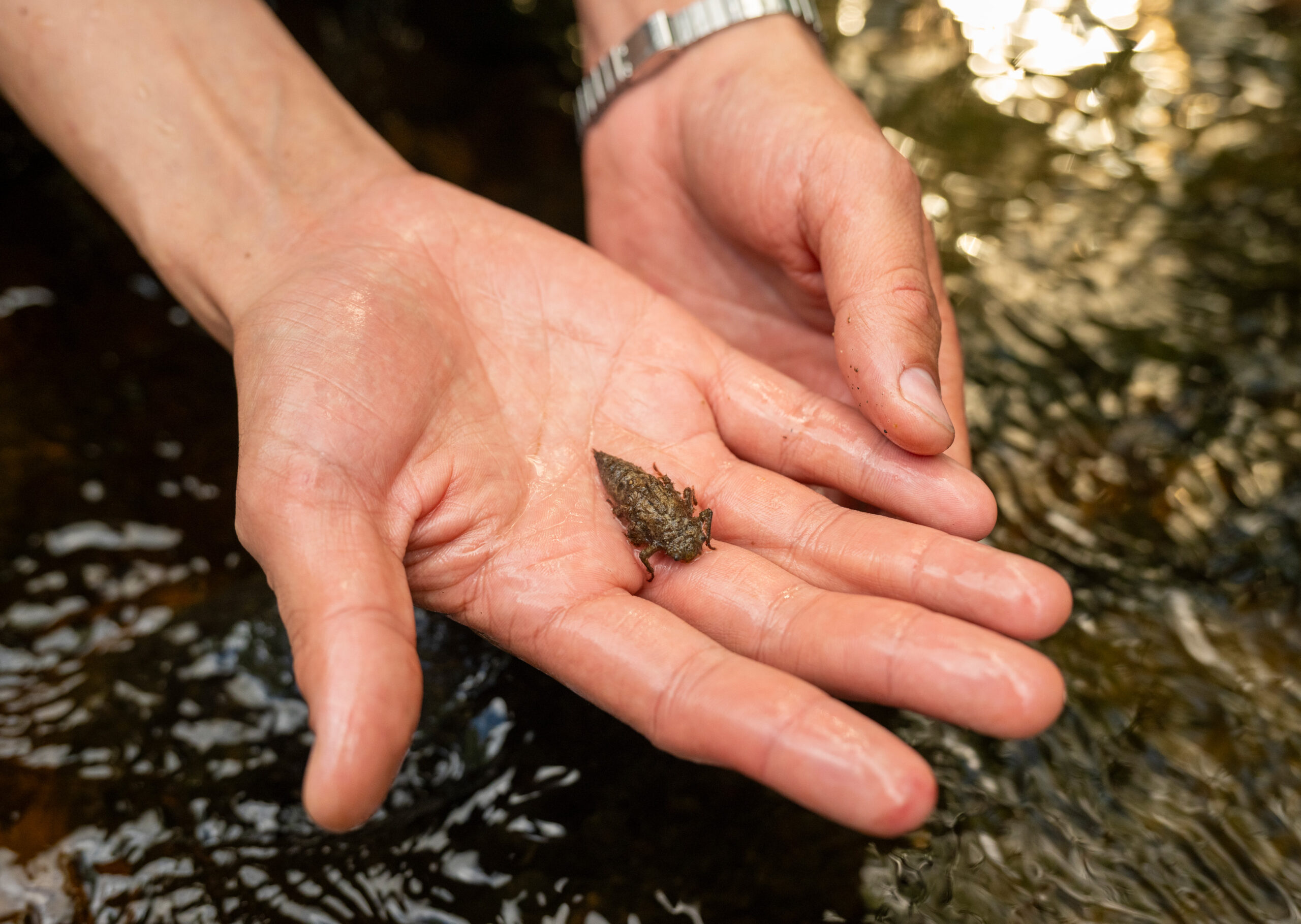
The first phase of the work is about giving the rivers back their physical variation. By returning stones, boulders, and dead wood to the channel, deep pools, shallower sections, current edges, backwaters, and sheltered holding places are recreated. Where possible, side channels and previously closed-off structures are opened, allowing the water to spread out again and move more naturally through the landscape. When the flow is slowed and meets more structures, local water levels rise, floodplains can be reactivated, and the connection between water, riparian zones, and surrounding land is strengthened. In this way, restoration becomes more than an intervention in the channel itself. It restores the processes that shape habitats over time and creates better conditions for fish, benthic fauna, aquatic plants, riparian vegetation, and other species linked to living rivers.

Phase 2: Restoring spawning grounds

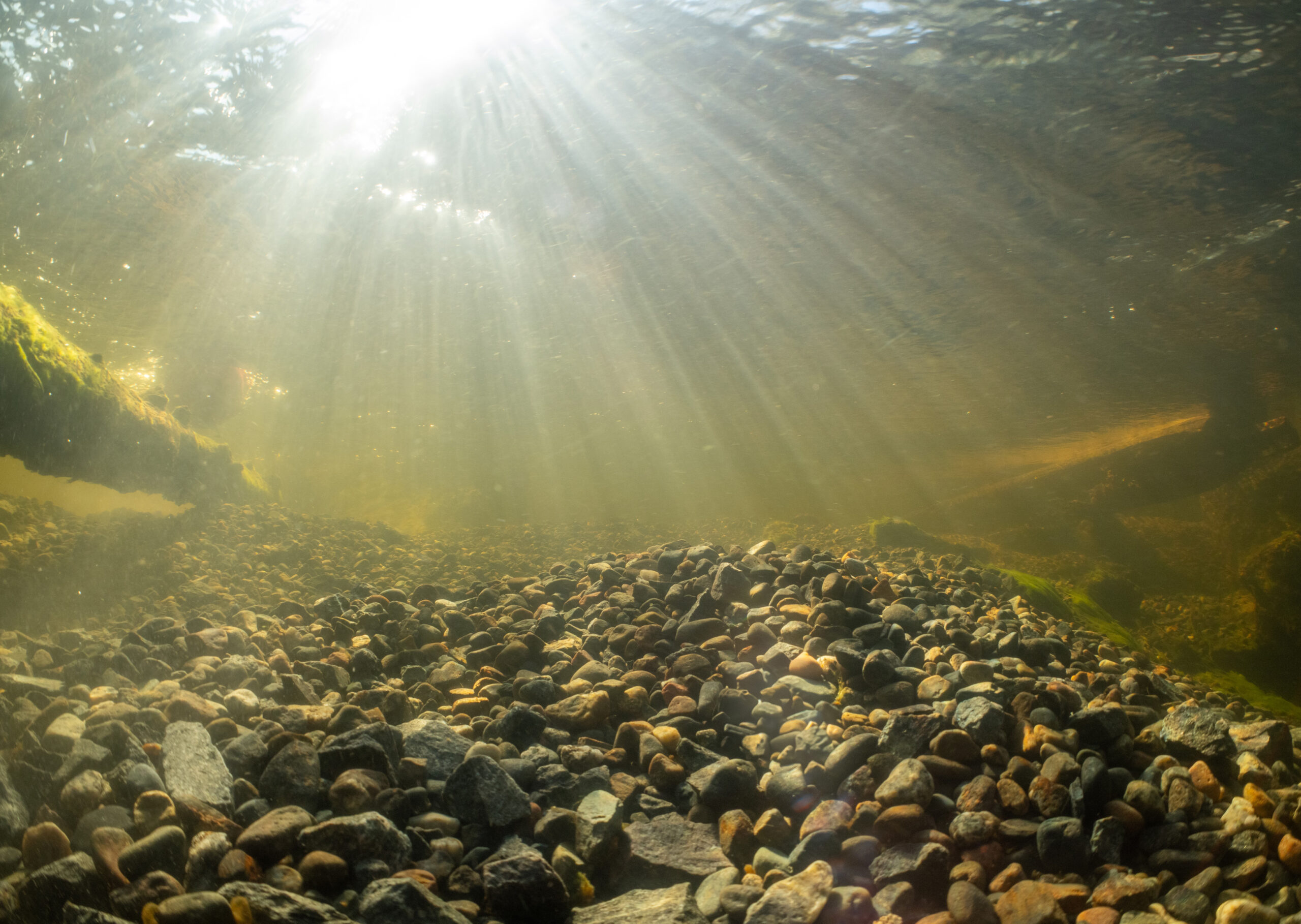
Once the coarser structure is in place, the work can be deepened through the restoration of spawning grounds. In rivers cleared for timber floating, gravel and smaller stones have often been washed away, buried, compacted incorrectly, or ended up in places where the flow no longer provides the right conditions for spawning and hatching. By recreating spawning grounds in suitable locations, trout are given better opportunities to reproduce naturally. This is not just about adding gravel, but about creating the right interaction between current, oxygenation, bed substrate, and protective structures. Well-functioning spawning grounds also support richer benthic life and strengthen the entire ecological chain in the river. In Rödån and Hjuksån, this is an important part of moving from physical restoration to biological recovery, where the rivers can, over time, once again support stronger and more self-reproducing fish populations.

Phase 3: Releasing trout fry

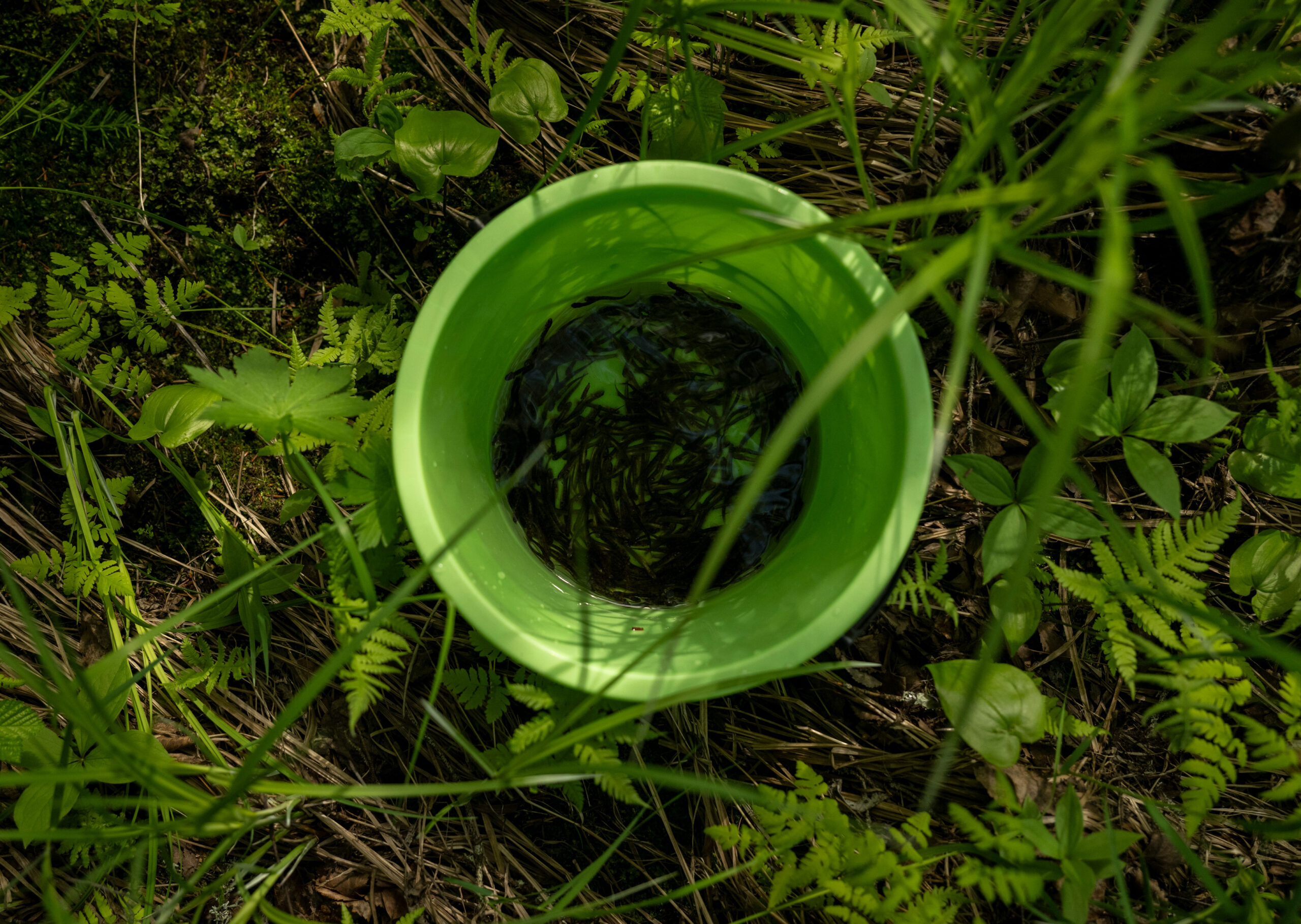
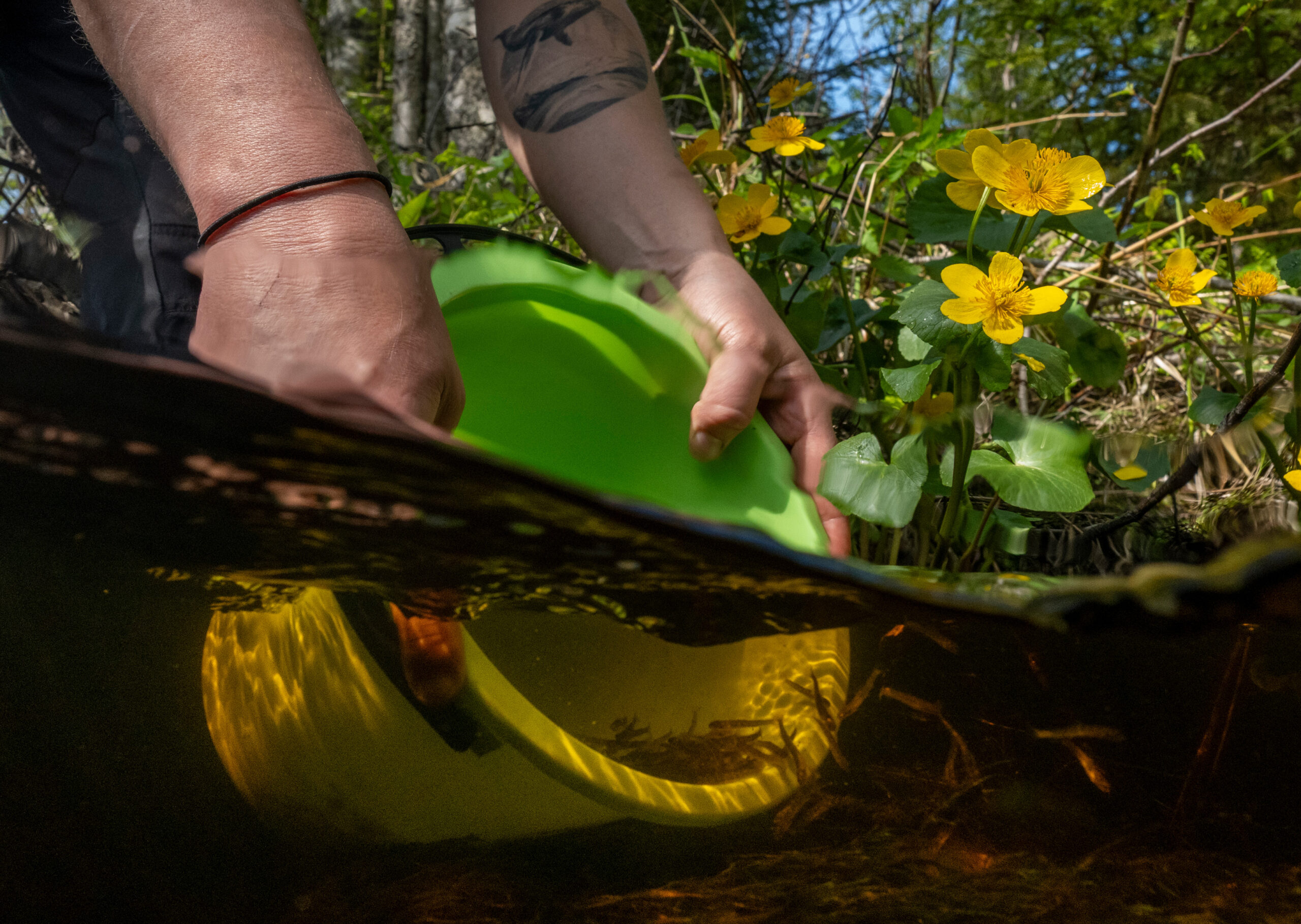
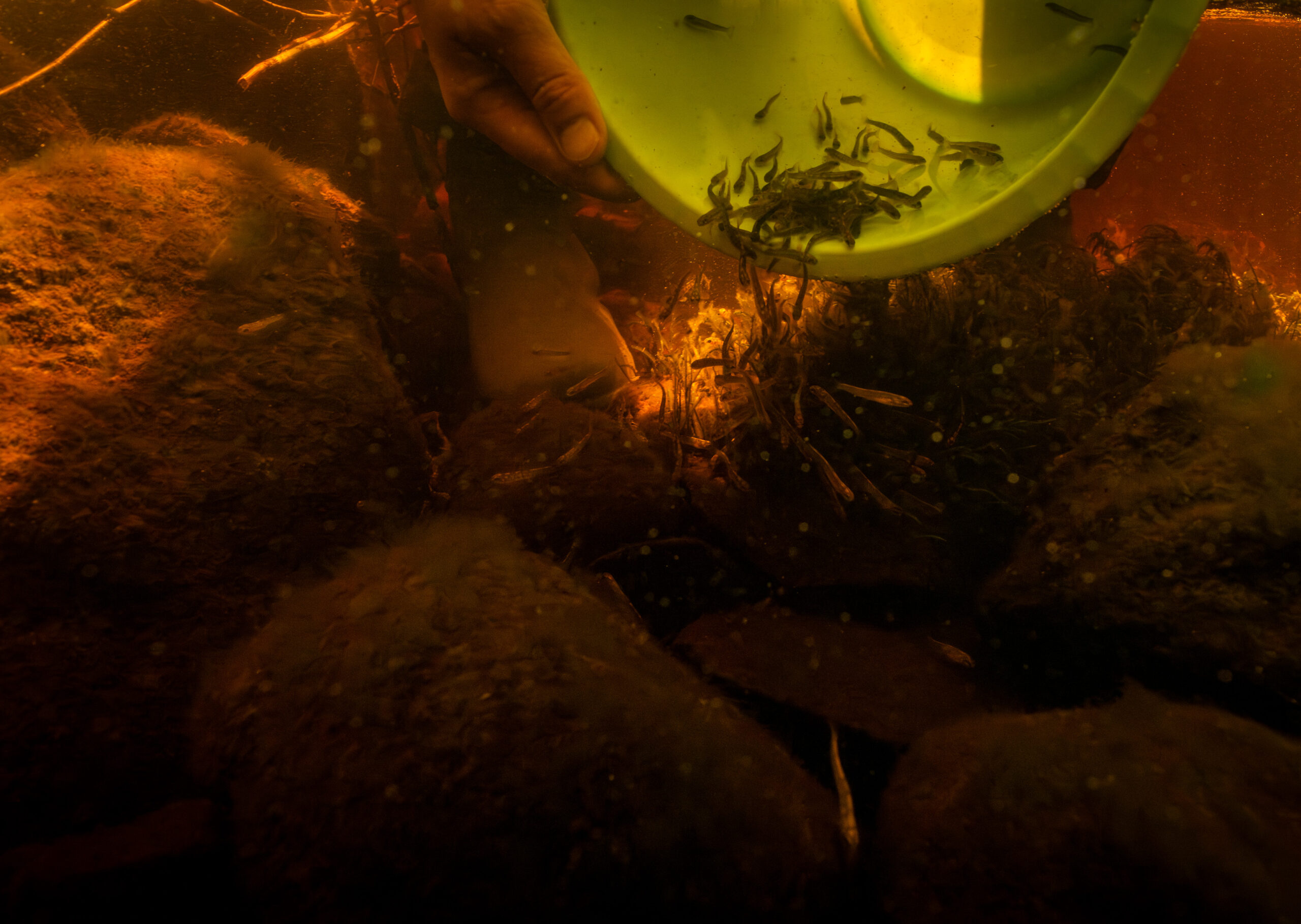
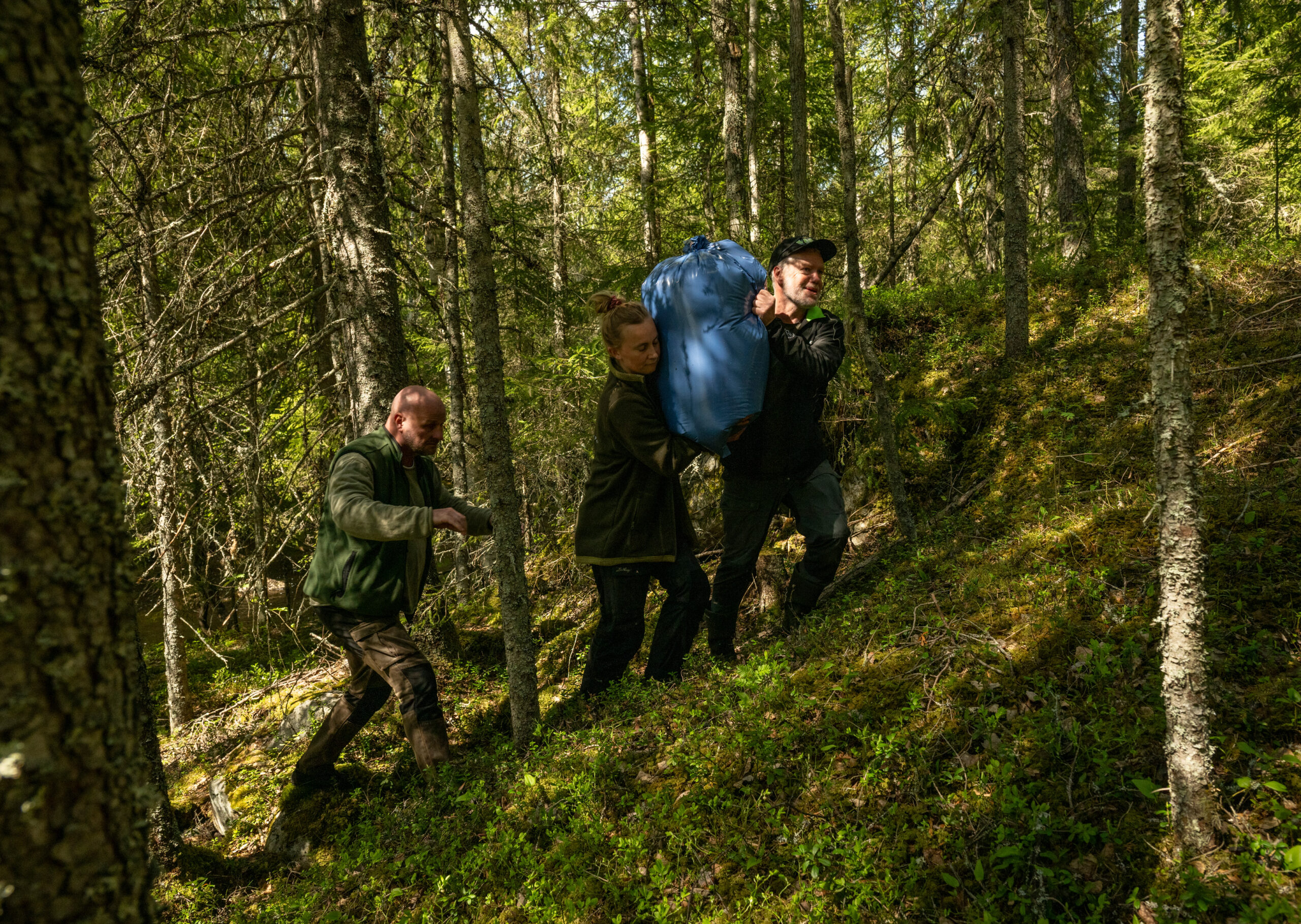
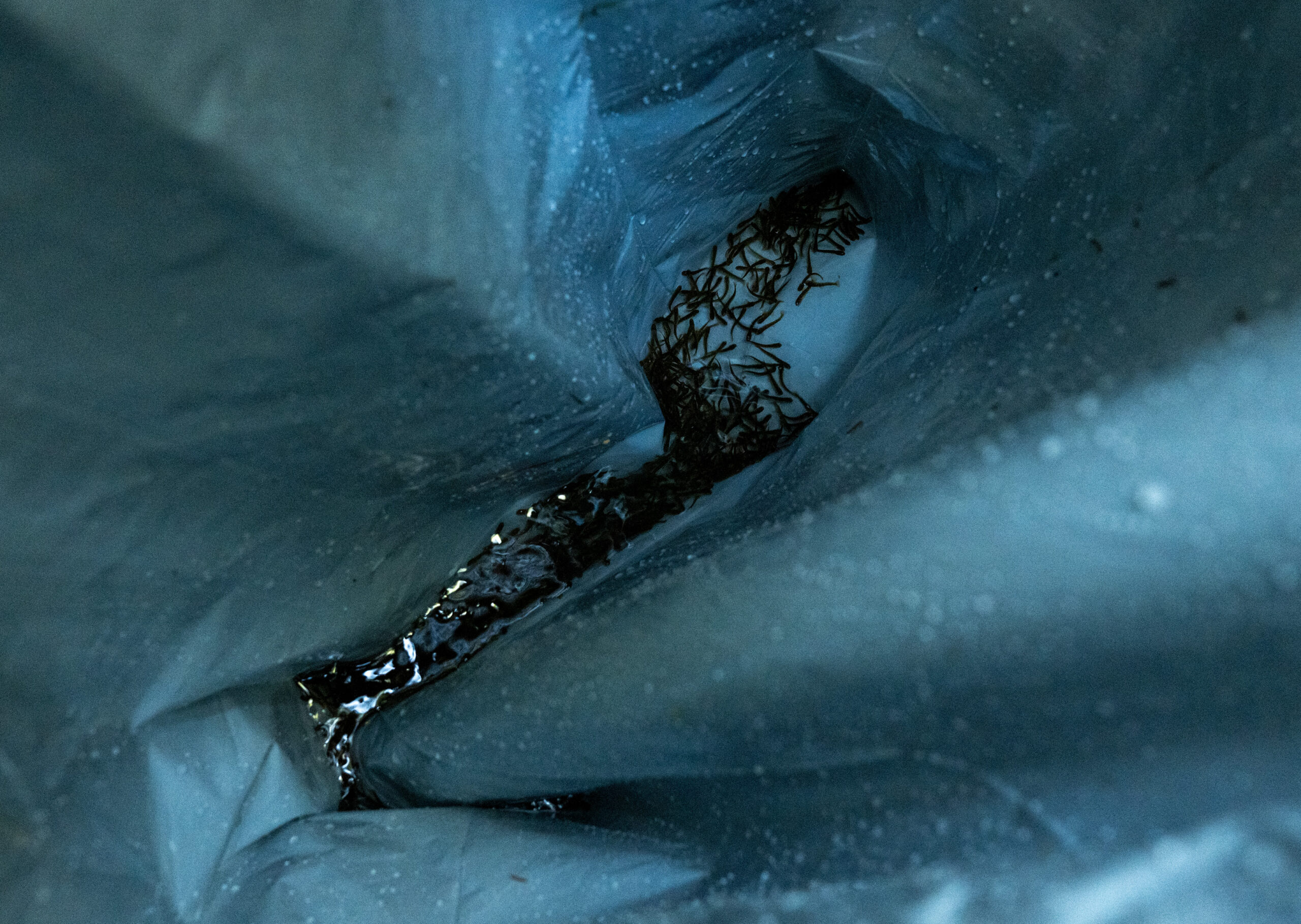
In some restored rivers, improving habitats is not always enough. If local trout populations have become too small, fragmented, or prevented from dispersing, recovery can be very slow, even when the habitat has improved. Releasing trout fry can therefore be an important complement to physical restoration. The goal is not to create a long-term dependence on releases, but to give trout a new opportunity to establish self-reproducing populations in environments where spawning and nursery conditions have been restored. When the fry grow up in a more varied river, with functioning spawning grounds, sheltered nursery habitats, and better connectivity, the entire ecosystem is strengthened. A viable trout population contributes to natural food webs, richer stream-dwelling animal life, and better conditions for long-term ecological recovery in the Rödån and Hjuksån catchments.

Expected response

We expect the ecosystem response to occur in three stages:

Stage 1: Direct effects
Increased structural complexity; reduced flow velocity and greater variation in oxygenation; more dead wood and increased accumulation of organic material.

Stage 2: Follow-on effects
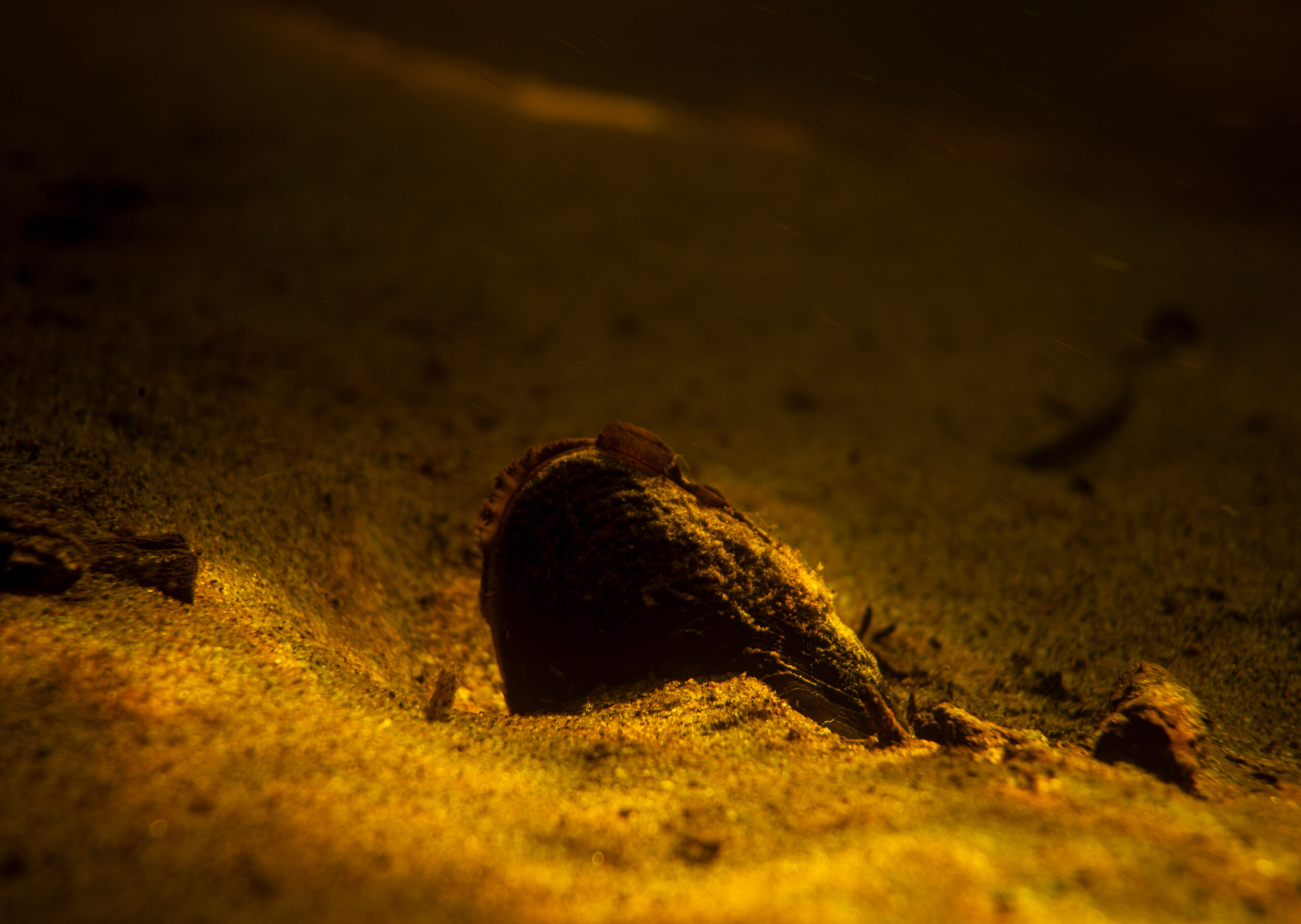
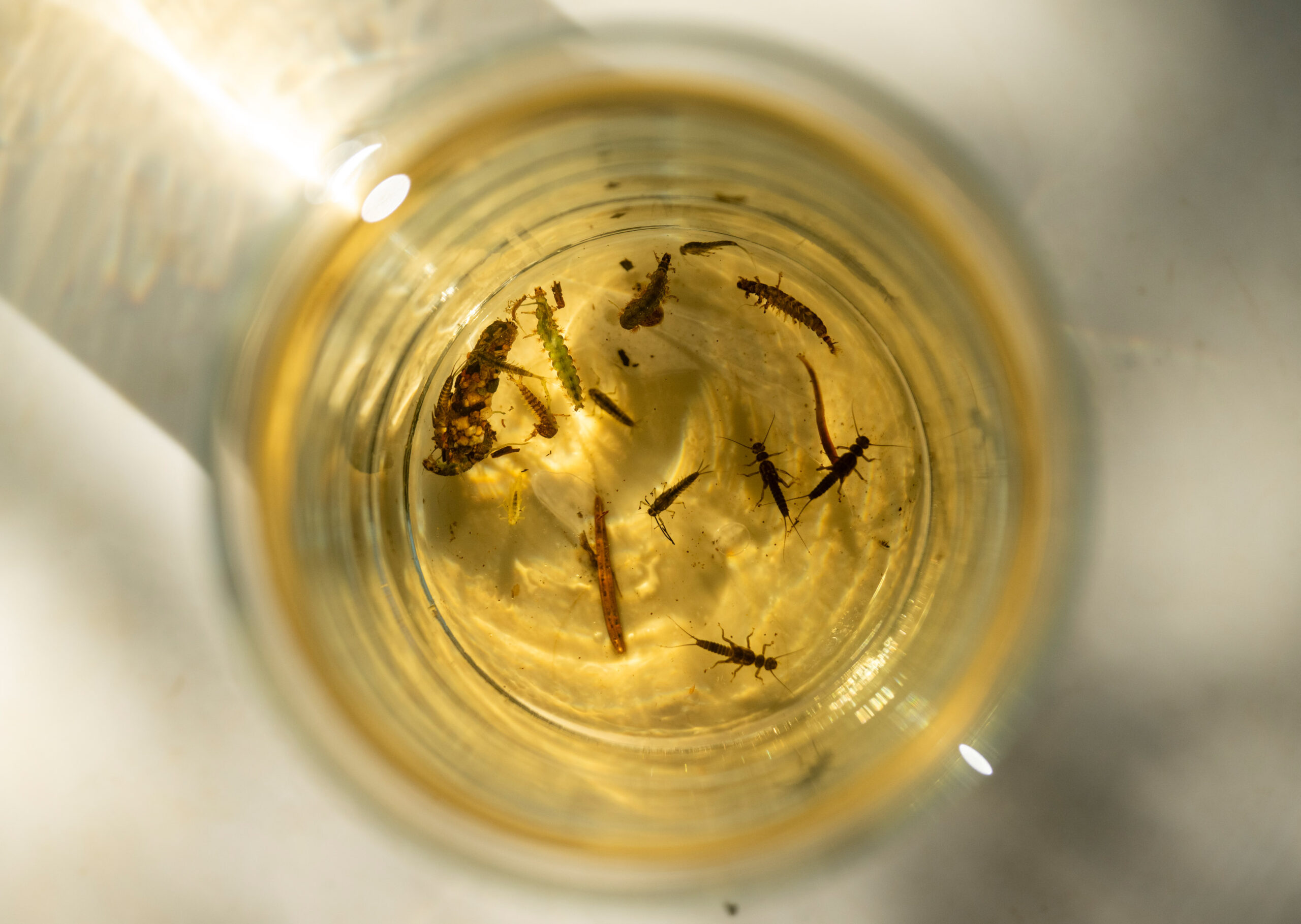
Improved functional β-diversity among benthic invertebrates, caused by greater habitat variation; increased occurrence of leaf-shredding insects thanks to larger amounts of organic material; more species living in sand and gravel beds; stronger connections between aquatic and terrestrial ecosystems through increased water retention.

Stage 3: Long-term goal (also influenced by other factors in the landscape)
Increased fish occurrence in the rivers; richer birdlife along the banks as a result of more natural flooding and more swamp forest habitats.

Rewilding Rödån (films)

Image Gallery

  • This field is for validation purposes and should be left unchanged.